China
Zhangjiajie National Forest Park (Avatar Mountains)
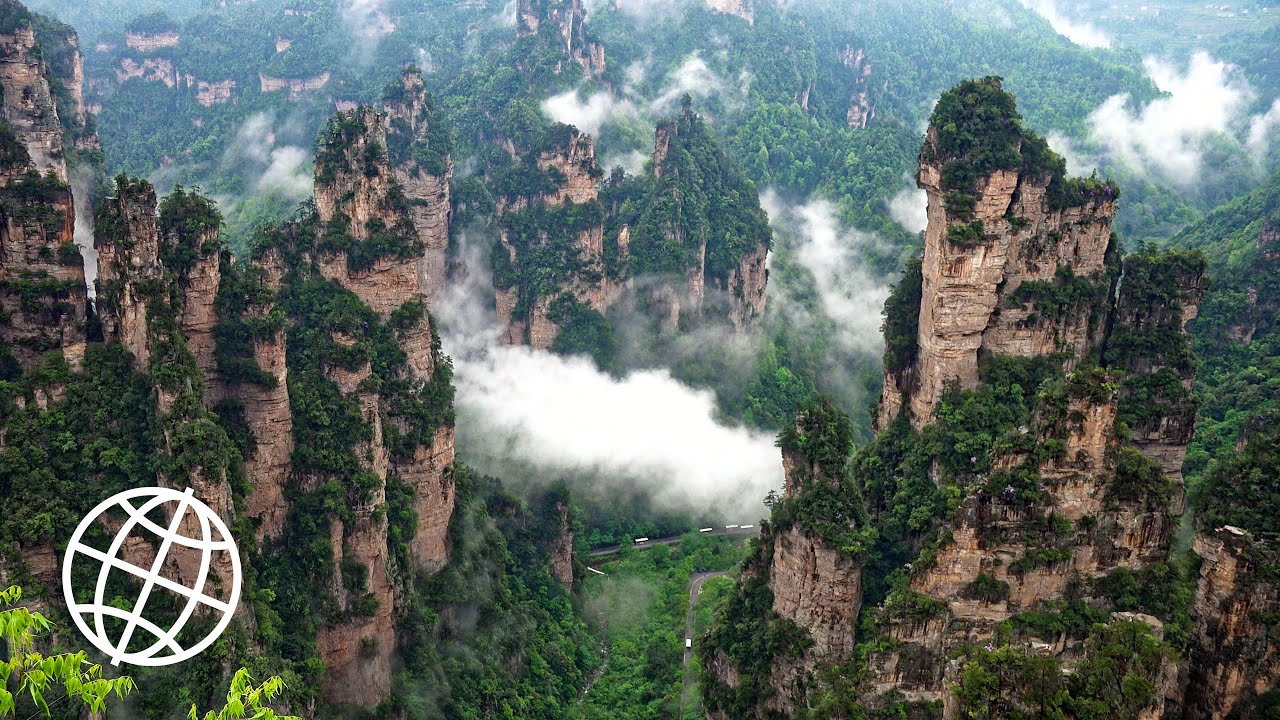
- In northwestern Hunan Province, Zhangjiajie National Forest Park protects 369 square kilometers of vertical sandstone pillars reaching up to 400 meters—the inspiration for Pandora's Hallelujah Mountains in James Cameron's "Avatar" film.
- These 3,000+ quartzite pillars formed over 380 million years as sandstone eroded around more resistant vertical formations, creating a landscape unparalleled globally.
- The tallest, "Avatar Hallelujah Mountain" (formerly Southern Sky Column, renamed 2010 for film), rises 1,080 meters from base.
- The pillars wear caps of vegetation—pine trees clinging to impossible perches—and mist swirls perpetually between formations, creating dreamlike, constantly evolving vistas.
- The park is part of the larger Wulingyuan Scenic Area (UNESCO World Heritage since 1992), which includes 264 square kilometers of similar topography.
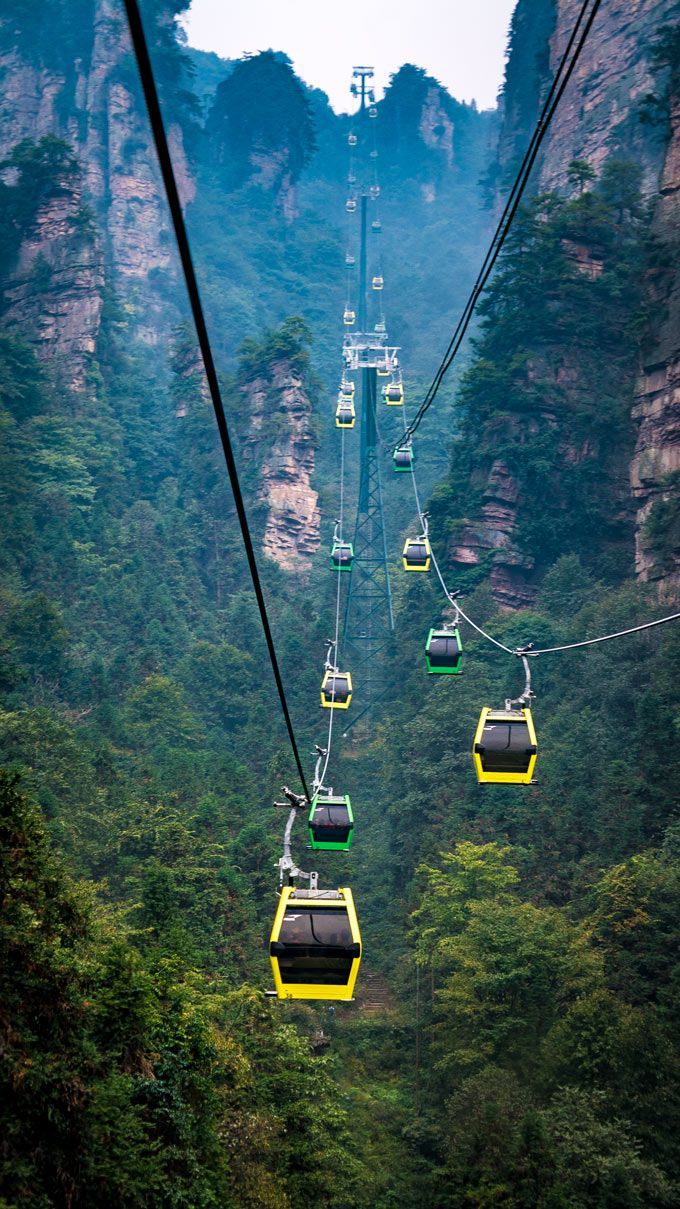
- Glass-bottomed walkways (Tianmen Mountain Glass Skywalk extends 60 meters from cliff at 1,430m elevation) and the world's longest cable car (7,455 meters, 30 minutes) provide access to viewing platforms.
- The Yellow Dragon Cave system (15km passages, 140m-high chambers with stalactites) adds subterranean wonder.
- The region hosts 518 species of animals including the endangered Chinese giant salamander, clouded leopard, and Asiatic black bear.
- Some 3,000 plant species include dove trees and ginkgos—living fossils unchanged in 200 million years.
- The park receives 5+ million annual visitors, primarily Chinese domestic tourists but increasing international presence post-"Avatar" fame.
- Traditional Tujia and Miao ethnic minority villages within the park preserve cultural heritage—distinctive wooden houses, embroidery, and shamanic traditions.
- Winter (December-February) transforms pillars into ice-covered sculptures amid snow; spring brings flowering trees; summer monsoons create dramatic cloud effects; autumn offers clearest conditions for photography.
Watch it
Who Visits
- Chinese domestic tourists (85%), Avatar film fans (10%), photographers/nature enthusiasts (5%).
- Demographics span all ages—families with children very common.
- Holiday periods (Chinese New Year, Golden Week October 1-7, summer vacation July-August) bring crushing crowds (40,000+ daily).
- Off-season (November-March excluding CNY, weekdays) sees manageable 3,000-5,000 daily.
- International tourists primarily American, European, Southeast Asian.
How to Get There
- Moderate.
- Fly to Zhangjiajie Hehua Airport (30 minutes from park, domestic flights from Beijing, Shanghai, Guangzhou, $80-200).
- High-speed rail from major cities (5-6 hours from Changsha, $30-50).
- From city, buses/taxis reach park gates (40 minutes, $3-8).
- The park has three main entry gates (Wulingyuan, Forest Park, Tianzi Mountain), each with hotels, restaurants, tourist facilities.
- Entry ticket: ¥225 ($32, valid 4 days).
- The park requires extensive walking—10km+ daily typical—though cable cars, elevators (Bailong Elevator: world's tallest outdoor elevator, 326m rise in 88 seconds, $10), and shuttle buses reduce exertion.
- Moderate fitness required; some areas involve stairs (thousands of steps).
- Well-developed infrastructure—English signage, hotels range budget to luxury, medical stations, mobile coverage excellent.
- October-November and April-May optimal for weather and moderate crowds.
Best Time to Visit
- Families with school-age children, photographers (essential destination), couples, group tours, seniors in reasonable fitness (elevator and cable car options reduce strain), Avatar fans.
- Strong Chinese cultural immersion for international travelers.
- Excellent for first-time visitors to China—well-organized, English-friendly, visually stunning.
Risk & Safety
- LOW-MODERATE.
- Well-maintained infrastructure makes this quite safe despite dramatic topography.
- Glass walkway and bridge crossings trigger acrophobia—warnings posted, opt-out available.
- Summer heat/humidity causes exhaustion—stay hydrated.
- Monsoon season (June-August) brings torrential rains creating slippery conditions and occasional landslides (trails close).
- Crowds during Chinese holidays create crush conditions on narrow paths—multiple stampede near-misses reported in past (improved crowd control now).
- The thousands of stairs challenge knee joints—trekking poles recommended.
- Generally safe for families with children 6+ if supervised near cliff edges.
- Not recommended for: severe acrophobes (unavoidable heights), mobility-impaired without elevator access, anyone with serious knee/heart conditions.
- Elevators make many areas accessible for limited mobility visitors.
Pictures (6)
Unique Experiences
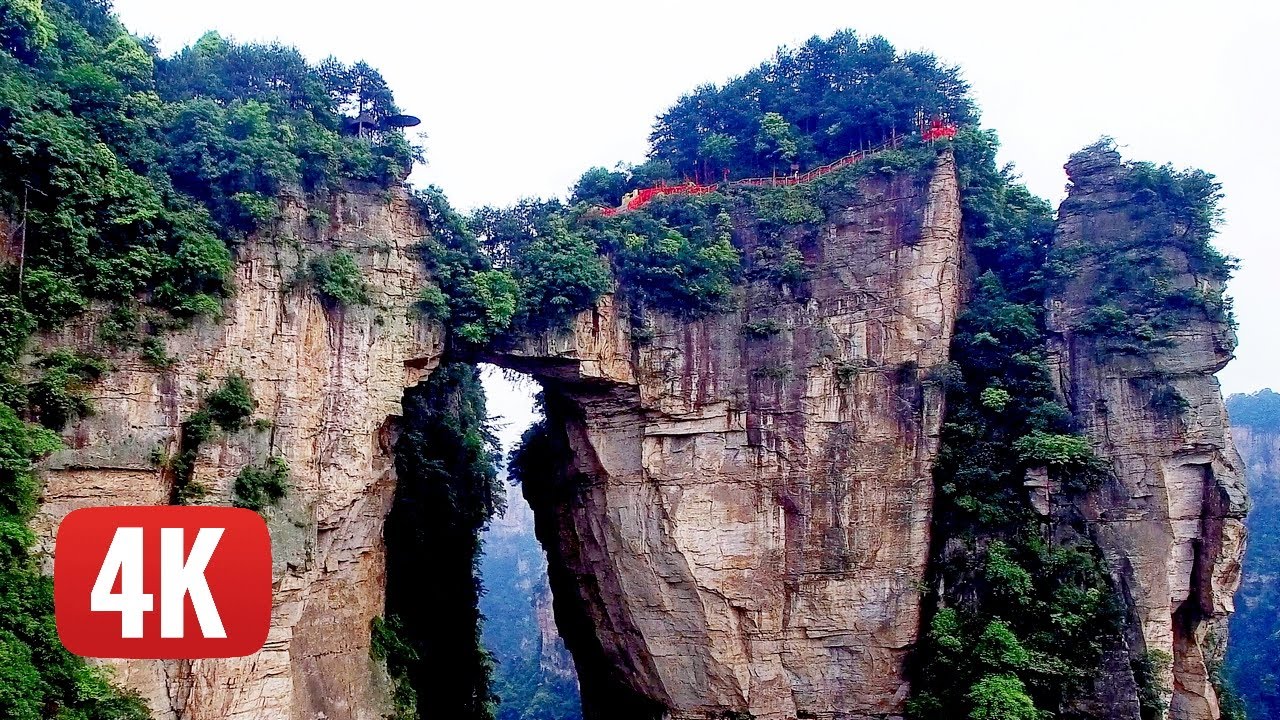
- Avatar Viewing Platforms Dawn Vigil: Wake at 5am, board first cable car (6am) to Yuanjiajie Scenic Area where the Avatar Hallelujah Mountain viewpoint delivers jaw-dropping perspectives. Mist rises from valleys at dawn, revealing and concealing pillars in ethereal dance. Sunrise light (6:30-7:30am depending on season) ignites formations in gold and orange. This scene inspired Avatar's floating mountains. Multiple viewing platforms allow different perspectives—First Bridge Under Heaven (natural stone bridge spanning two pillars 40m apart, 357m high) provides vertiginous thrills. Bring tripod for long exposures capturing mist motion. By 9am, tour groups arrive; dawn provides solitude.
- Glass Bridge Adrenaline Walk: The Zhangjiajie Grand Canyon Glass Bridge (6km from main park) spans 430 meters across a canyon 300m deep—world's longest and highest glass-bottomed bridge when completed (2016). Walking across transparent flooring while clouds pass below induces profound vertigo. The bridge gently bounces, heightening tension. Not for acrophobes—panic attacks common (exit route available at midpoint). Entry ¥138 ($20), advance booking required (daily visitor limit 8,000). Wear protective shoe covers. Photography allowed. Combine with canyon trail descent (2-3 hours, moderate difficulty) past waterfalls and jade pools.
- Tianmen Mountain Heaven's Door: Twenty kilometers from main park, this mountain (1,518m summit) features the world's longest cable car ascending from city to summit (30-minute ride climbing 1,277m through forest zones). The destination: Tianmen Cave, a natural arch 131m high created by rock collapse centuries ago—Chinese believe it's "Heaven's Gate." The 999-step staircase (representing eternity in Chinese cosmology) climbs directly to the arch opening. Alternatively, take escalators through mountain interior. The summit's glass skywalk (60m-long path extending from cliff face, transparent flooring) tests nerves. Visibility days reveal Zhangjiajie city below. Entry ¥278 ($40). Combine both mountains in one day or dedicate separate days for less rush.
- Ten Miles Natural Gallery Electric Train: This scenic valley (Suoxiyu area) features formations resembling Chinese legendary figures—Old Man Gathering Herbs, Three Sisters Peak. Ride miniature train (¥52 round trip, $7) or walk the 5km valley admiring anthropomorphic rock shapes. Less crowded than main Avatar area, this provides intimate experience. Morning light optimal for photography—shadows define features. The "gallery" concept reflects Chinese aesthetic tradition of finding meaning in natural forms.
- Yellow Dragon Cave Subterranean Expedition: This massive cave system (vertical height range 140m) requires 2-hour guided tour through four levels of passages. The "Pinnacle of the Sea" stalagmite reaches 26m—among world's tallest. Underground rivers, lakes, and chambers (one holds 1,000 people) create jaw-dropping scale. Temperature constant 16°C (bring jacket). Colorful lighting enhances formations but also adds commercial feel. The cave complements above-ground pillars, showing the full karst landscape spectrum. Entry ¥100 ($14). Avoid claustrophobic conditions during peak crowds.