Albania
Valbona Valley
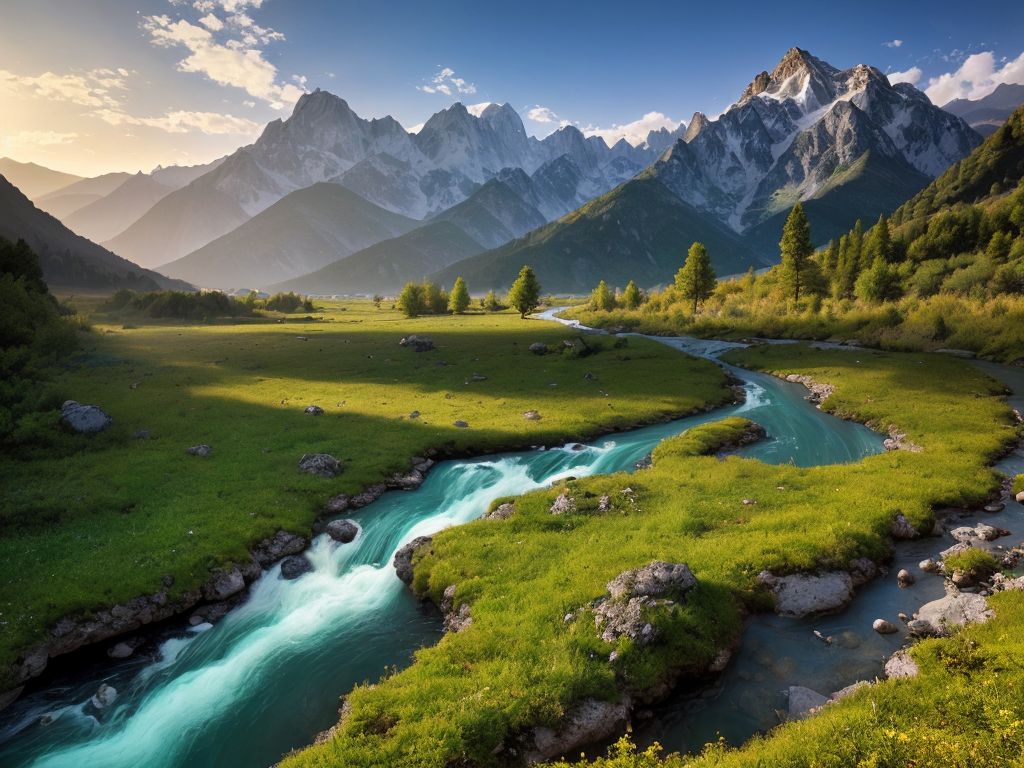
- Nestled in the Albanian Alps (Accursed Mountains), Valbona Valley is a paradise frozen in time, where jagged limestone peaks pierce cloud-covered skies at elevations reaching 2,694 meters.
- The valley stretches approximately 25 kilometers, carved by the glacial Valbona River whose turquoise waters thunder through ancient gorges.
- Stone villages cling to mountainsides, where families have practiced transhumance—seasonal livestock migration—for centuries.
- The landscape shifts dramatically with seasons: wildflower meadows explode with color in spring, dense beech and fir forests provide emerald canopies in summer, and autumn paints the slopes in amber and crimson.
- Traditional guesthouses (bujtinas) maintain customs unchanged for generations, with hand-woven textiles adorning walls and wood-burning stoves warming communal dining rooms.
- The region remained isolated until the 1990s, preserving an authenticity rarely found in modern Europe.
- Local shepherds still guide flocks along ancient paths, and the hospitality follows the Kanun—Albania's traditional code emphasizing sacred guest treatment.
Watch it

Who Visits
- Adventure hikers (60%), cultural anthropologists (20%), photographers (15%), nature documentarians (5%).
- Age range predominantly 25-55, with notable presence of European trekkers, particularly Germans, Italians, and Swiss.
How to Get There
- Moderate difficulty.
- From Tirana (4 hours), drive through Shkodër to Koman, then take the spectacular Koman Ferry (2 hours through flooded canyon landscapes), followed by a winding mountain road (1 hour) to Valbona village.
- Roads are unpaved in sections; 4WD recommended May-October.
- Winter access (November-April) extremely difficult, often impossible.
- Mobile connectivity sparse.
- Nearest medical facility in Bajram Curri (45 minutes).
Best Time to Visit
- Solo hikers seeking solitude (excellent safety record)
- adventurous couples
- families with children 10+
- small groups of 4-8. Ideal for those who value authenticity over amenities.
Risk & Safety
- MODERATE-HIGH for young children/seniors.
- Hiking trails are unmarked in sections with steep drop-offs.
- River crossings on slippery stones.
- No guardrails.
- Limited emergency services—helicopter evacuation only option for serious injuries.
- Not wheelchair accessible.
- Flash flood risk in spring.
- Appropriate for physically fit individuals with hiking experience.
- Families with toddlers should avoid the mountain treks but can enjoy village stays.
Pictures (8)
Unique Experiences
- The Valbona-Theth Trek: This legendary 14km alpine crossing takes 6-8 hours, ascending to 1,795m at Valbona Pass. You'll traverse through zones of vegetation, from cultivated valleys through beech forests into Alpine meadows dotted with shepherds' stone shelters (stanë). The descent into Theth reveals the iconic Lock-In Tower and Blue Eye spring. Wildflowers include rare Albanian lily and edelweiss. Eagle sightings common.
- Agrotourism Immersion: Stay in family-run guesthouses where three generations live under one roof. Participate in morning milking rituals, learn to make flija (traditional layered pancake cooked over open fire for 3+ hours), and taste raki (homemade grape brandy) while hearing epic folk tales. Evening meals feature tavë kosi (baked lamb with yogurt), fresh mountain trout, and wild berry preserves.
- River Gorge Exploration: The Valbona River carves through 300-meter limestone walls creating natural pools of impossible clarity. Summer temperatures reach 18-20°C—bracingly cold but swimmable. Locals know secret swimming holes accessible only by scrambling over river stones. The sound of the rushing water creates a constant, meditative soundtrack.
- Traditional Village Photography: Rrogam village (45 minutes uphill) remains extraordinarily authentic, with stone houses featuring wooden shingle roofs, outdoor summer kitchens, and livestock pens integrated into architecture. Elderly residents wear traditional dress daily, not for tourists, but as living practice.