Norway
Trolltunga (Troll's Tongue)
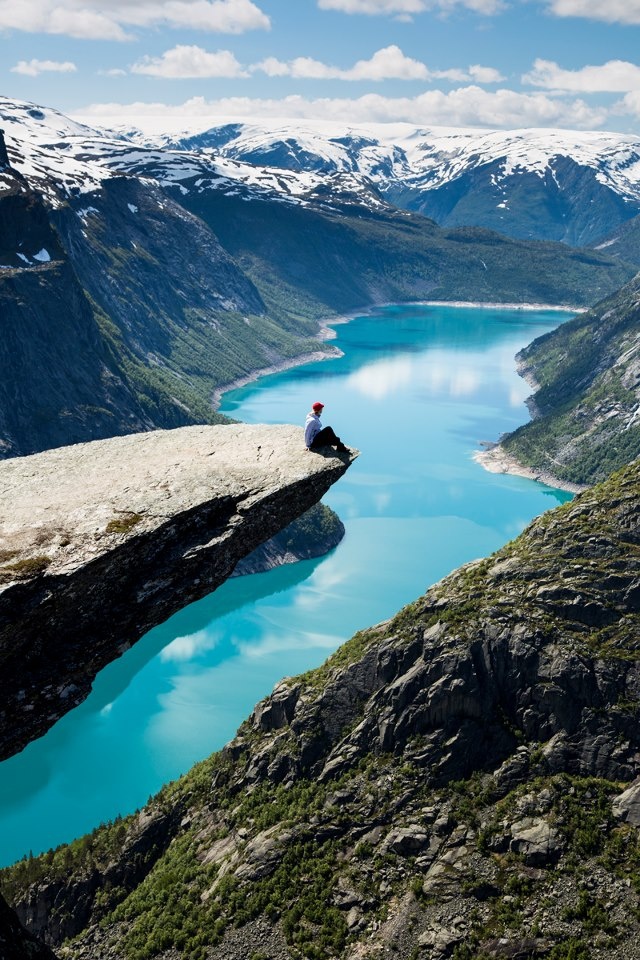
- In southwestern Norway's Hardangervidda National Park near the village of Tyssedal, a horizontal rock formation juts 700 meters above Lake Ringedalsvatnet—Trolltunga, or Troll's Tongue.
- This flat slab of Precambrian gneiss rock, measuring 6 meters long and 2 meters wide, cantilevers over the precipice like a diving board into thin air, formed when glaciers retreated 10,000 years ago, leaving this peculiar geological remnant.
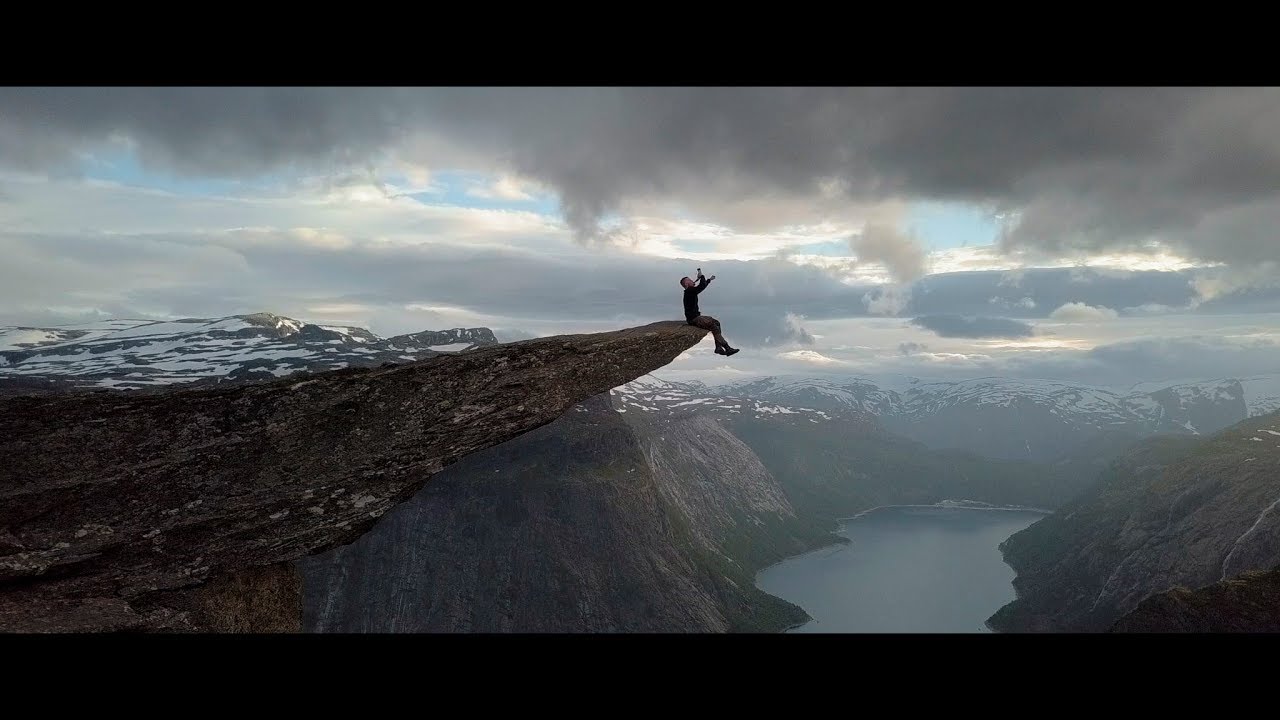
- The hike to reach it has become Instagram's most iconic Norwegian experience: visitors queue to photograph themselves standing/sitting/doing yoga on the rock's tip with vertiginous drop and fjord backdrop creating heart-stopping compositions.
- The 28-kilometer round-trip trek gains 900 vertical meters, typically requiring 10-14 hours for average hikers—making it Norway's most challenging popular day hike.
- The route traverses diverse terrain: forest paths giving way to alpine boulder fields, stream crossings, snowfields (even mid-summer), exposed ridgeline, and finally the rocky approach to Trolltunga itself.
- The landscape embodies Norwegian mountain character—barren, beautiful, and unforgiving.
- Summer (June-September) brings midnight sun allowing nearly 24-hour hiking windows and carpets of cotton grass and mountain wildflowers.
- The journey crosses varied ecosystems from coniferous forests through stunted birch into high alpine tundra.
- Mountain lakes reflect surrounding peaks.
- Waterfalls cascade down cliffs.
- Reindeer herds occasionally appear grazing high pastures.
- The sense of remoteness is profound despite popularity—cellphone coverage nonexistent for most of route.
- The rock itself, while primary goal, represents just one element of the full mountain experience—the Norwegian concept of friluftsliv (outdoor life as spiritual practice) manifests powerfully here.
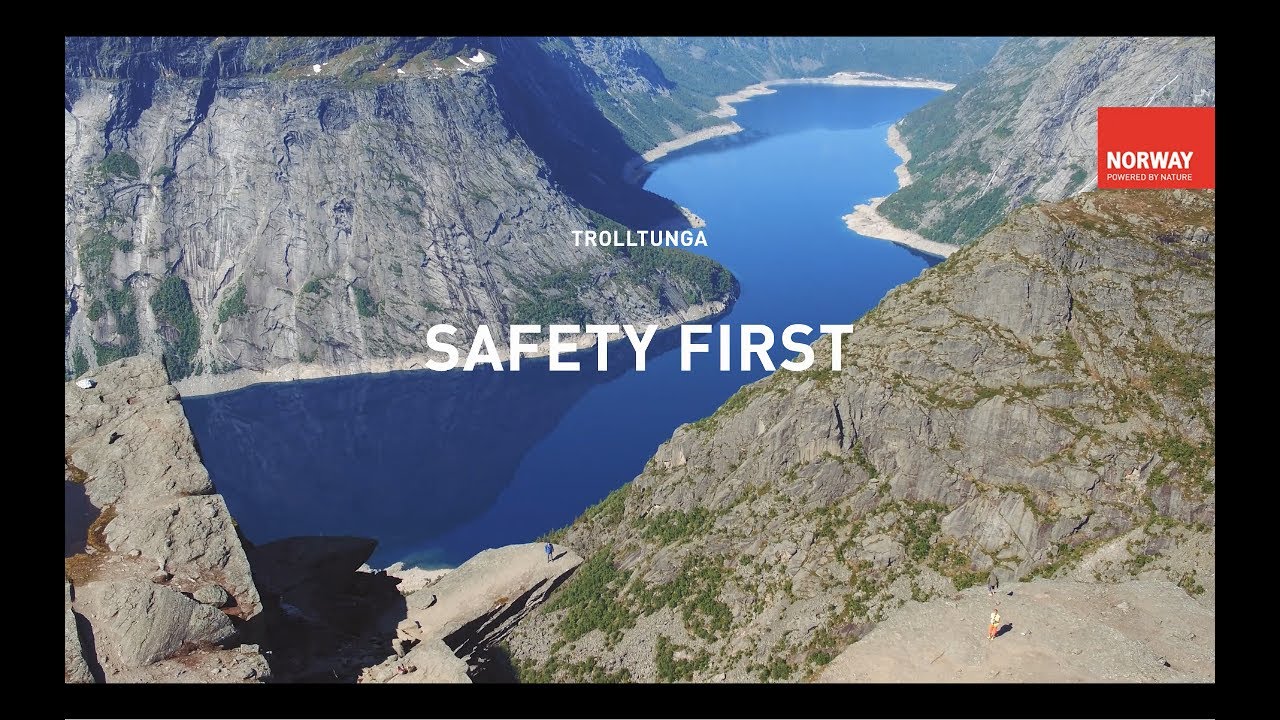
Watch it

Who Visits
- Adventure hikers (60%), Instagram influencers/photographers (25%), Norwegian outdoor enthusiasts (15%).
- Demographics 20-45 predominantly, heavily skewed toward physically fit individuals.
- International visitors (German, Dutch, American, British, Asian) outnumber Norwegians 3:1 in summer.
- Annual hikers approximately 100,000, with 80% concentrated in July-August (only reliable weather months).
- The hike's difficulty self-selects for experienced trekkers, though increasing numbers of unprepared tourists create rescue situations.
How to Get There
- Difficult.
- From Bergen or Stavanger, drive to Tyssedal (3-4 hours).
- The trailhead at P2 parking (elevation 650m) requires parking reservations June-September (€5, book online, fills weeks in advance).
- Alternatively, P3 parking (500m) adds 2km to hike.
- From Oslo, drive 6-7 hours or fly to Bergen then drive.
- Odda town (10km from Tyssedal) offers hotels, restaurants, grocery stores, gear shops.
- The trail is open year-round but only accessible to experienced mountaineers with winter gear October-May—snow depths exceed 2 meters, avalanche risk high, no trail markings visible, near-zero margin for error.
- Summer season (June-September) sees trail cleared and marked, though snow patches persist at elevation into July.
- Guide services (€120-180 per person) offer less strenuous experience via 4WD shuttle to higher elevations, reducing hike to 18km round trip.
- Independent hiking free but requires: sturdy hiking boots, trekking poles, 2+ liters water, high-energy food, weatherproof layers (conditions change rapidly), first aid kit, headlamp, fully charged phone (photos, emergency only), and exceptional physical fitness.
- No facilities along route—wilderness camping permitted at designated areas for multi-day approaches.
- Helicopter rescues (frequent, 50+ annually) cost €5,000-15,000; travel insurance essential.
Best Time to Visit
- Experienced hikers in excellent fitness, adventure travelers, outdoor enthusiasts, photographers willing to work for shots, Scandinavian hiking fans.
- NOT for: families with young children (minimum age recommendation 12-14, excellent fitness), elderly unless exceptionally fit, beginners to mountain hiking, anyone with knee/ankle issues (descent particularly punishing), acrophobes (exposed scrambling near cliff edges).
- This is Norway's most demanding popular hike—self-assess honestly before attempting.
Risk & Safety
- HIGH.
- This ranks among Norway's most dangerous tourist activities despite popularity.
- Annual helicopter rescues exceed 50, with 1-2 fatalities most years.
- Primary dangers: Exhaustion and exposure—many hikers underestimate 10-14 hour duration and physical demands; hypothermia occurs even summer when weather deteriorates (rain, wind, dropping temperatures).
- Injury from falls—rocky, uneven terrain causes ankle/knee injuries; steep descents particularly treacherous.
- Getting lost—fog reduces visibility to meters; trail markings minimal in sections.
- Weather changes—conditions can shift from sunshine to near-whiteout in 30 minutes; summer snow/sleet common.
- The rock itself—while solid, falling from Trolltunga would be fatal; strong winds can destabilize people on the edge (stay back in high wind).
- Requirements for safety: Excellent physical fitness (ability to hike 28km with significant elevation), proper equipment (quality boots, layered clothing, navigation tools), weather monitoring, early start (begin 6-8am to ensure daylight return), sufficient food/water, realistic self-assessment.
- Children under 12 strongly discouraged; ages 12-16 only with hiking experience and exceptional fitness.
- Norwegian hiking association DNT and local authorities regularly warn unprepared tourists attempting beyond abilities—heed these warnings.
- Consider guided tours if inexperienced.
- This is NOT an entry-level hike despite popularity.
Pictures (6)
Unique Experiences
- The Ultimate Instagram Photo: The queue at Trolltunga peak season (July-August weekends) extends 60-90 minutes—up to 100 people waiting their turn on the rock. Yet the wait builds anticipation, and fellow hikers share camaraderie, trail stories, snacks. When your moment arrives, step onto the rock (solid, no bounce despite appearance), walk to the tip, and pose while companions photograph from the mountain side. The exposure is visceral—700m of void below your feet, fjord and mountains extending to horizons. Most adopt sitting or standing poses; acrobats attempt handstands; couples embrace; proposals occur regularly. The thrill combines achievement (you earned this through 7+ hours hiking), beauty (360-degree mountain panorama), and adrenaline (that exposed position). Professional photographers offer services (€50-100) capturing multiple angles if hiking partners' photos don't satisfy. Visit weekdays or early morning (arriving 6-8am) for minimal crowds, though this requires 3-4am start or camping overnight at mountain plateau.
- Wild Camping at Mågelitopp: The plateau 2km before Trolltunga offers Norway's right-to-roam wild camping opportunities (free, permitted 150m+ from trail/buildings). Pitch tent 6-8pm after reaching Trolltunga, enjoy sunset over mountains, sleep in profound silence, wake to sunrise without crowds, and return to Trolltunga for uncrowded morning photos before most hikers arrive. This transforms grueling day hike into immersive mountain experience. Required: lightweight tent, sleeping bag rated 0°C (summer nights drop to 5-10°C), cooking equipment, food. The solitude and stargazing (when clear) elevate the journey from photo-op to genuine wilderness encounter.
- Via Ferrata Climbing Addition: For climbers seeking more adventure, book via ferrata routes in Odda area (Dronningstien near Trolltunga, €90-120 guided). These steel-cable protected routes with iron rungs enable accessing cliff faces and peaks requiring technical climbing skills otherwise. The routes offer heart-pounding exposure with safety systems, appealing to those finding Trolltunga hike insufficient challenge. Full-day combinations (via ferrata morning, Trolltunga afternoon) exist for ultra-fit adventurers.
- Ringedalsvatnet Lake Exploration: The glacial lake 700m below Trolltunga stretches 9km long, fed by Skjeggedal hydroelectric system. Kayak tours (book in Odda, €60-90) allow paddling beneath Trolltunga's overhanging rock—unique perspective seeing hikers as tiny figures on distant cliff edge. The turquoise water, sheer cliffs, and waterfalls create dramatic kayaking environment. Alternatively, the lower valley hike from Tyssedal to Skjeggedal waterfall (2-hour round trip, easy) provides beautiful alternative for those unable/unwilling to attempt Trolltunga summit.
- Guided Sunrise Expedition: Specialized guide services (Trolltunga Active, €200-280) offer overnight expeditions: leave Tyssedal 8pm, hike to mountain plateau by midnight (twilight all night June-July), camp 3-4 hours, wake 4am for sunrise Trolltunga visit without crowds, descend morning. This schedule exploits midnight sun, delivers pristine rock access, and provides guided safety throughout. The investment rewards serious photographers and those preferring expert support for this demanding trek.