Vietnam
Son Doong Cave
© Photo by Andrew Svk on Unsplash
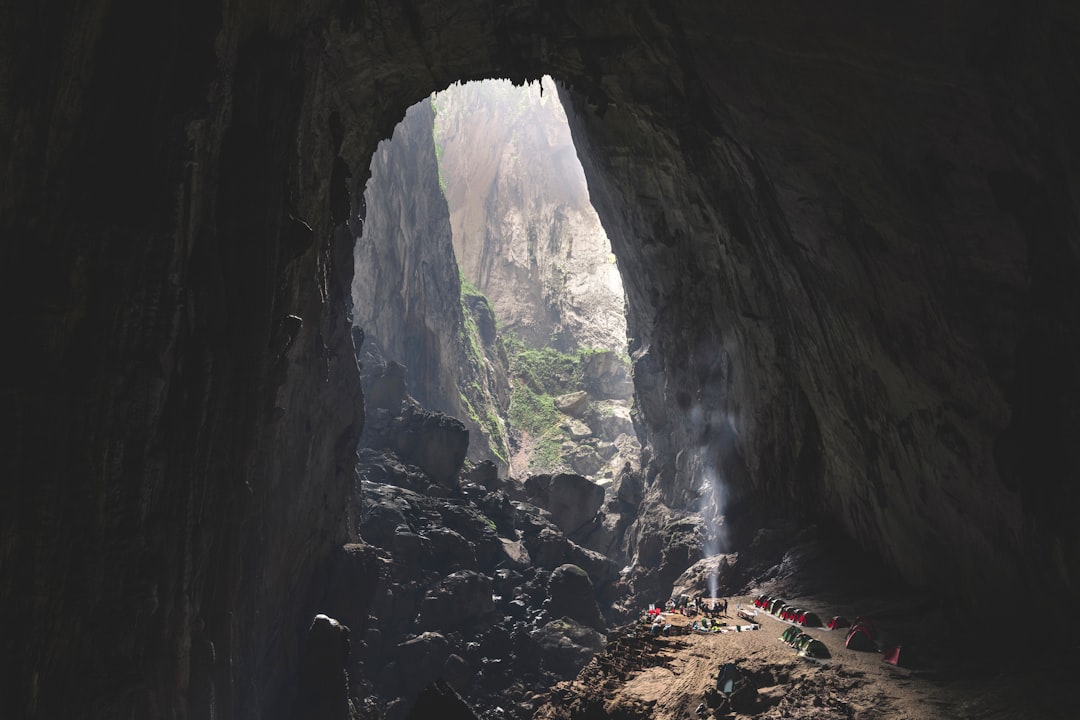
- Son Doong Cave, located in Phong Nha-Ke Bang National Park in central Vietnam's Quang Binh Province, is the world's largest natural cave by volume. Discovered in 1991 by local farmer Ho Khanh but not fully explored until 2009 by British cavers, Son Doong (meaning "Mountain River Cave" in Vietnamese) stretches over 5 kilometers long, reaches heights of 200 meters, and contains chambers so vast they could accommodate entire city blocks. The cave system formed over 2-5 million years as the Rao Thuong River carved through limestone bedrock, creating a subterranean world of extraordinary scale.
- What makes Son Doong globally unique is not just its size but its complete ecosystem—the cave contains its own jungle (dubbed "Garden of Edam" by explorers), underground river, clouds that form inside due to temperature differences, and endemic species found nowhere else. The cave's largest chamber, Hang En (Swallow Cave), measures 200 meters tall and 150 meters wide—large enough to fit a Boeing 747. Stalagmites in Son Doong reach 70 meters tall, among the tallest in the world. The cave's "Great Wall of Vietnam"—a 90-meter tall calcite barrier—blocks passage during the wet season, creating a seasonal lake.
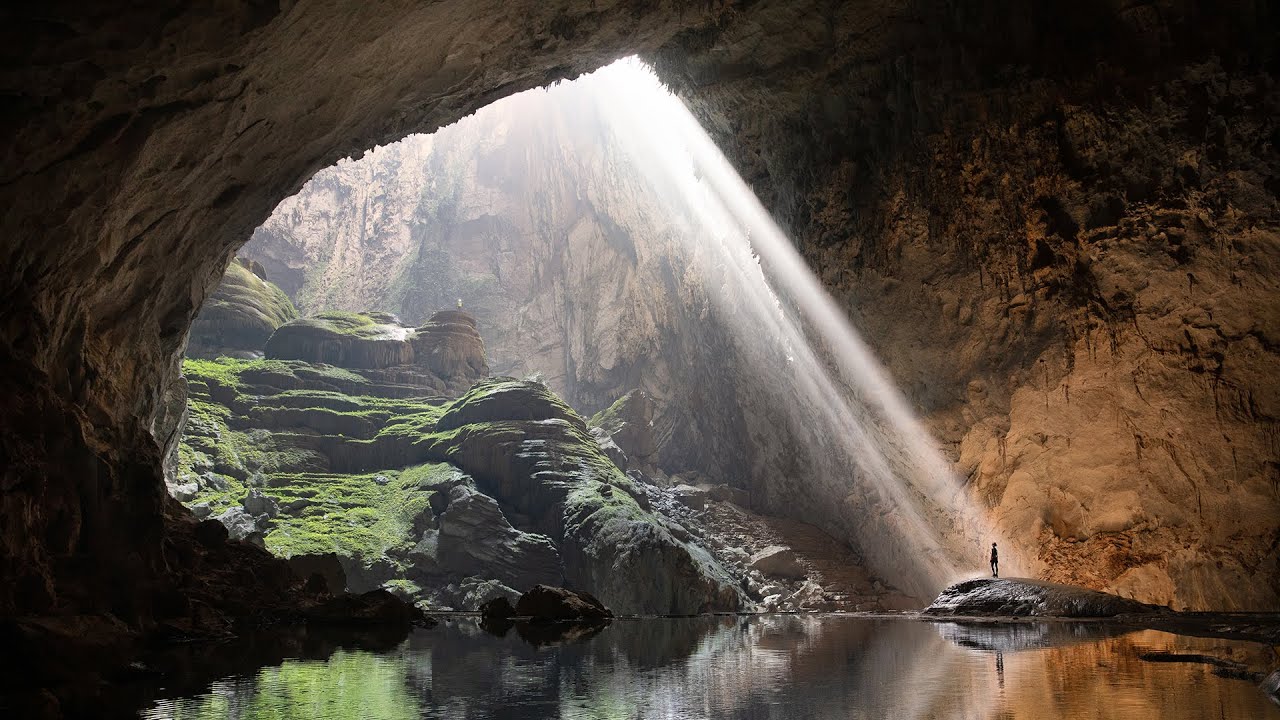
- Son Doong exists in near-total darkness except for two massive dolines (sinkholes) where the cave roof collapsed, allowing sunlight to penetrate and creating the cave's internal jungle. These openings, formed 500,000 years ago, support a thriving ecosystem with trees up to 30 meters tall, ferns, mosses, and wildlife including monkeys, flying foxes, and rare birds. The temperature inside ranges from 18-22°C year-round, while humidity reaches 95%. The cave's underground river, still actively flowing, continues to shape the cave's formations.
- Access to Son Doong is extremely limited—only 1,000 visitors per year are permitted through Oxalis Adventure, the sole authorized tour operator. The 4-day, 3-night expedition requires excellent physical fitness, involves camping inside the cave, crossing underground rivers, and navigating challenging terrain. The experience is considered one of the world's most exclusive adventure travel opportunities.
Watch it
Who Visits
- Extremely limited—approximately 1,000 visitors annually (strictly controlled by Vietnamese government and Oxalis Adventure).
- Demographics: Adventure travelers (90%), professional photographers (5%), researchers/scientists (5%).
- Age range: 18-65, with most visitors 25-50.
- Nationalities: Primarily American, British, Australian, European, with growing Asian (Japanese, Singaporean) interest.
- Physical requirements: Excellent fitness mandatory—must be able to trek 15-20km daily, carry 20kg backpack, climb ropes, swim, and handle 8-10 hour days.
- No accessibility accommodations—not suitable for mobility limitations, children under 18, or elderly.
- Peak season: February-August (dry season when cave is accessible); September-January (wet season, cave often closed due to flooding).
How to Get There
- Extremely challenging and strictly controlled.
- From Ho Chi Minh City or Hanoi, fly to Dong Hoi Airport (Quang Binh Province) or take overnight train/bus (12-14 hours).
- From Dong Hoi, drive 1 hour to Phong Nha town.
- All Son Doong expeditions must be booked through Oxalis Adventure (sole authorized operator) at least 6-12 months in advance.
- Cost: $3,000 USD per person (4-day expedition, all-inclusive).
- The expedition begins with 6km jungle trek to cave entrance, then 4 days inside cave including camping, crossing underground rivers, climbing the Great Wall of Vietnam (90m calcite barrier), exploring chambers, and exiting through different route.
- Physical requirements: Must pass fitness assessment, be able to trek 15-20km daily with 20kg backpack, climb ropes, swim, and handle 8-10 hour active days.
- Equipment provided: Helmets, headlamps, safety gear, camping equipment.
- Personal gear: Hiking boots, quick-dry clothing, sleeping bag.
- Medical: Pre-trip health check required; emergency evacuation available but extremely difficult.
- English-speaking guides provided.
- No independent access permitted—all visits are guided expeditions.
Best Time to Visit
- Adventure travelers seeking world's most exclusive cave experience, experienced cavers, professional photographers, researchers studying cave ecosystems, physically fit travelers (18-65) seeking ultimate adventure challenge.
- Not suitable for: Families with children, elderly, mobility limitations, claustrophobes, those with heart/respiratory conditions, budget travelers, casual tourists.
Risk & Safety
- MODERATE TO HIGH.
- Physical risks: Exhaustion from 15-20km daily treks with heavy packs, falls on slippery surfaces, injuries from climbing/rappelling, hypothermia from cold water crossings, dehydration.
- Environmental risks: Flash flooding during wet season (cave closed September-January), rockfalls in unstable sections, getting lost in vast chambers (mitigated by guides).
- Health risks: Exhaustion-related illness, altitude effects in high chambers, respiratory issues from humidity.
- Safety measures: Mandatory fitness assessment, professional guides, safety equipment, emergency protocols.
- However, remote location makes evacuation extremely difficult—nearest hospital 2-3 hours away.
- Not recommended for: Anyone with health conditions, poor fitness, fear of heights/darkness, claustrophobia.
Pictures (5)
Unique Experiences
- Camping Inside the World's Largest Cave: Spend nights sleeping inside Son Doong's massive chambers, surrounded by 200-meter tall walls and formations millions of years old. The experience of waking up in near-total darkness, with only headlamps illuminating the cave's scale, is surreal. The cave's constant 18-22°C temperature and 95% humidity create a unique microclimate. Camping sites are set up in safe, dry areas, but the psychological impact of sleeping underground in such vast spaces is profound.
- Crossing the Great Wall of Vietnam: Climb the 90-meter tall calcite barrier that blocks passage through Son Doong during wet season. Using ropes and safety equipment, visitors scale this natural wall—one of the cave's most challenging physical obstacles. The wall formed over millennia as mineral-rich water deposited calcite. During dry season (February-August), the wall is climbable; during wet season, it becomes a waterfall barrier. The climb offers views of the cave's scale and the underground river below.
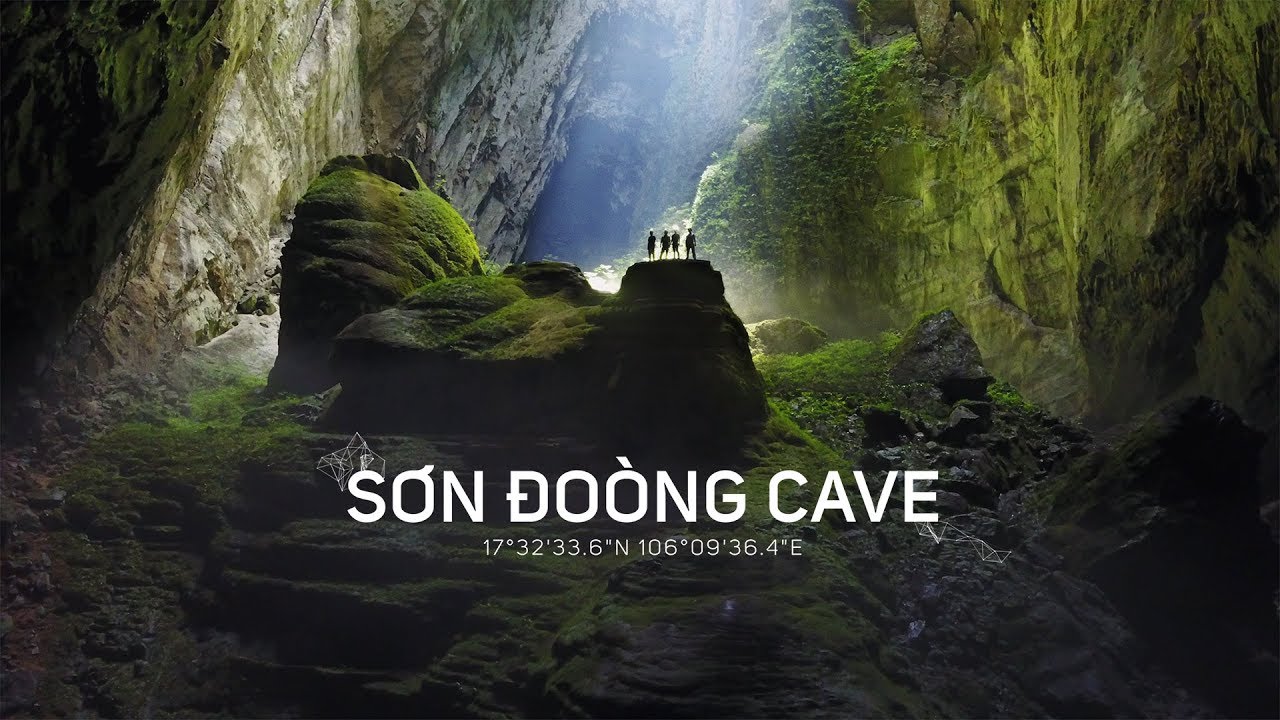
- Exploring the Cave's Internal Jungle (Garden of Edam): Witness the two massive dolines where sunlight penetrates the cave, creating an internal jungle ecosystem. Trees up to 30 meters tall grow inside the cave, along with ferns, mosses, and tropical plants. This "Garden of Edam" (named by British explorers) supports wildlife including monkeys, flying foxes, and rare birds. The contrast between the dark cave and these sunlit oases is extraordinary—one moment you're in total darkness, the next in a jungle clearing with blue sky above.
- Swimming in Underground Rivers: Cross and swim through Son Doong's active underground river system. The water, flowing year-round, continues to shape the cave. Swimming sections require good fitness and comfort in water. The experience of floating through darkness, with only headlamps illuminating the cave walls, is both thrilling and meditative. The water temperature is cool (18-20°C), and the passages can be narrow or wide depending on the section.
- Photographing World-Record Formations: Capture images of the world's tallest stalagmites (70 meters), largest cave chambers (200m tall, 150m wide), and unique formations found nowhere else. Professional photographers are drawn to Son Doong for its scale and unique lighting conditions. The dolines create dramatic light beams, while the cave's darkness requires long exposures. The formations, millions of years old, create otherworldly compositions. Photography requires skill in low-light conditions and carrying equipment through challenging terrain.