Vietnam
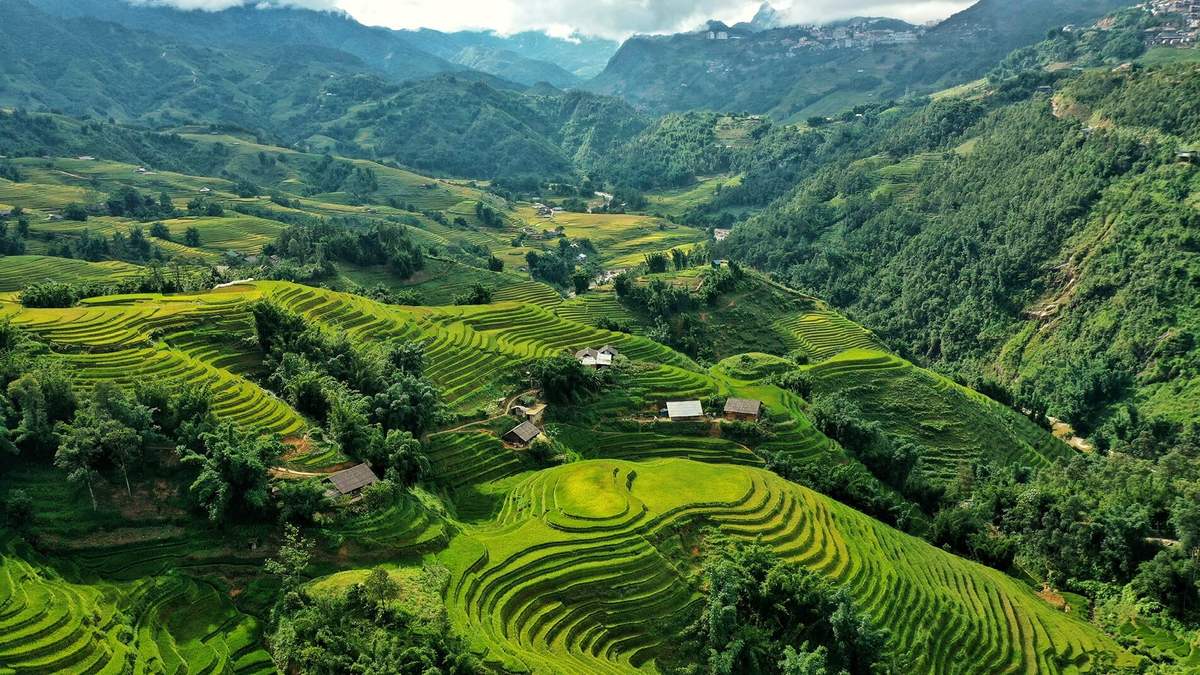
Sapa Rice Terraces
- In central Turkey's Anatolia region, Cappadocia spans approximately 250 square kilometers of geological wonderland where volcanic eruptions 10-3 million years ago deposited thick ash layers that solidified into soft tuff rock.
- Subsequent erosion carved this malleable stone into thousands of "fairy chimneys"—cone-shaped pillars topped with harder basalt caps resembling mushrooms, some reaching 40 meters height.
- The landscape appears sculpted by alien architects: undulating valleys (Rose Valley, Red Valley, Love Valley) glow pink and amber at sunset, honeycomb rock faces reveal ancient cave dwellings carved by human hands, and entire underground cities descend eight levels below surface.
- Early Christians (4th-11th centuries CE) fleeing Roman persecution excavated churches, monasteries, and homes into the soft rock—over 200 rock-cut churches survive with Byzantine frescoes still vibrant after 1,000+ years.
- The Göreme Open Air Museum preserves the finest examples, where monks lived and worshiped in elaborately decorated caves.
- Derinkuyu and Kaymaklı underground cities, engineered for 20,000+ inhabitants each, feature ventilation shafts, wine presses, stables, chapels, and defensive systems—used intermittently for millennia by populations seeking refuge from invaders.
- Above ground, modern villages like Göreme, Ürgüp, and Uçhisar maintain cave-dwelling traditions—boutique hotels offer authentic cave rooms with modern amenities.
- The signature Cappadocia experience is hot air ballooning—at dawn, 100+ balloons ascend simultaneously, creating a sky-ballet of colorful orbs floating among fairy chimneys while sunrise ignites the landscape.
- The region's Turkish hospitality shines in family-run restaurants serving Anatolian specialties and pottery workshops continuing 4,000-year-old Hittite ceramic traditions.
- Vineyards produce distinctive wines from indigenous Emir and Narince grapes.
- The climate is continental—hot, dry summers (25-35°C) and cold, snowy winters (-5-5°C), with spring (April-May) and autumn (September-October) offering perfect conditions.
Watch it

Who Visits
- Hot air balloon enthusiasts (35%), history/archaeology buffs (25%), photographers (20%), adventure travelers (20%).
- Demographics extremely diverse—all ages, strong European (especially German, French, British), Asian (Korean, Chinese, Japanese), American, and domestic Turkish tourism.
- Annual visitors exceed 3 million.
- Peak seasons April-May and September-October see 10,000+ daily visitors; summer heat deters some while winter brings snow-covered fairy chimney beauty and minimal crowds.
How to Get There
- Easy.
- Fly to Kayseri Airport (70km, 1 hour drive, $15 shuttle) or Nevşehir Airport (40km, 45 minutes, $10 shuttle) from Istanbul (1.5 hours, $50-150).
- Alternatively, overnight bus from Istanbul (10-12 hours, $25-40) arrives morning in Göreme.
- Excellent tourist infrastructure—hotels range cave guesthouses ($30/night) to luxury cave resorts ($200-500/night).
- English widely spoken.
- Car rentals available ($25-40/day) though local shuttle services connect villages effectively.
- Mobile coverage excellent.
- Medical clinics in main towns; hospital in Nevşehir.
- Roads paved and well-maintained.
- The compact region makes basing in one village (Göreme central, most accommodations/restaurants) feasible for entire visit.
- Accessible year-round, though winter balloon flights cancel frequently due to weather.
Best Time to Visit
- All ages and interests—couples (romantic balloon flights), families with children (cave hotels fascinating for kids, manageable hiking), photographers (essential destination), history enthusiasts, solo travelers (easy to join tours).
- Excellent accessibility for elderly or mobility-limited visitors—main sites require minimal walking, balloon companies accommodate (with assistance).
- Budget to luxury options available.
Risk & Safety
- LOW. Cappadocia is extremely safe and well-organized for tourism. Hot air balloon safety concerns exist—accidents have occurred (2013 and 2018 incidents resulted in fatalities). Choose only CAA-certified operators (Civil Aviation Authority Turkey) with experienced pilots and strict weather protocols. Morning flights statistically safer than afternoon (calmer winds). Medical conditions (pregnancy, recent surgery, severe back issues, young children under
- may prohibit balloon flights. Underground city concerns: Narrow passages may trigger claustrophobia; uneven steps present fall risks; not wheelchair accessible. Hiking risks: Summer heat causes dehydration (carry 2+ liters water); trails unmarked in sections (GPS recommended); occasional flash floods in canyons after rain. Generally very safe for families with young children—cave hotels child-friendly, flat walking in towns, balloon rides accepted for ages 6+ with supervision. Turkish hospitality culture emphasizes guest safety.
Pictures (7)
Unique Experiences
- Multi-Day Homestay Trek (Cat Cat-Ta Van-Lao Chai Loop): Book 2-3 day guided trek ($60-120 including guide, meals, homestays) through terraced valleys. Day 1: Descend from Sapa to Cat Cat village (2 hours, moderate), exploring the H'mong community's blacksmith workshops and hydropower plant (functional since French era), then continue to Lao Chai (2 hours) and overnight with Black H'mong family. Sleep on mattresses in communal loft; dinner around hearth features mountain vegetables, pork, rice wine, and conversation through guide translation. Day 2: Trek to Ta Van (3-4 hours) through dense terraced landscapes, cross bamboo suspension bridge, stay with Giáy family. Day 3: Return to Sapa via different route. The immersion is profound—participate in daily chores (water buffalo herding, rice harvesting if seasonal), learn traditional crafts (indigo dyeing, embroidery), and experience genuine hospitality. Children in villages speak basic English learned from tourist interactions; expect handcrafted item sales (support local economy—bargain respectfully).
- Golden Hour Terrace Photography at Ta Phin Village: Hire motorbike/driver to reach Ta Phin (17km from Sapa, 45 minutes on rough roads) in late afternoon. This Red Dao village features especially dramatic terraces curving around valley walls. September-October (harvest season), fields glow gold in 5-6pm light; April-May (water-filled planting), terraces reflect sky in mirror perfection. Position on hillside trails for elevated perspectives. The interplay of light, clouds, and agricultural patterns creates images impossible to replicate elsewhere. Local Red Dao women (identifiable by elaborate headdresses and silver jewelry) often appear working fields—respectfully ask permission before photographing people (small tip appreciated, ₫20,000-50,000/$1-2).
- Fansipan Summit Cable Car Journey: The 6,292-meter cable car (20 minutes, $35 round-trip) ascends 1,410 meters from Sapa to Fansipan summit—world's longest and highest-elevation cable car. Views during ascent are breathtaking—valleys, peaks, terraces diminishing below. The summit features Buddhist temple complex and steel platform (often in clouds). Clear days reveal 360-degree mountain panoramas extending into China. Controversial development (completed 2016) brought tourism but compromised wilderness character. Alternatively, the traditional 2-day trek (strenuous, guide required, $150-250) climbs through forest zones to camp at 2,800m then summit pre-dawn for sunrise—earned experience far more meaningful than cable car, but requiring fitness and cold-weather tolerance.
- Sapa Love Market (Weekend): Every Saturday evening, ethnic minorities gather at Sapa town's love market—traditional matchmaking venue where young people from remote villages meet potential partners through singing, conversation, and courtship rituals passed down generations. While tourism has commercialized aspects, authentic courtship still occurs. Visitors observe respectfully (photography permission required). The market also features handicraft sales—handwoven textiles, silver jewelry, herbal medicines. Sunday morning continues as general market where villagers sell produce, livestock, tools—authentic glimpse of mountain commerce. Arrive 5-7pm Saturday for peak activity.
- Traditional Hmong Herbal Bath Experience: Many homestays and upscale hotels offer traditional Hmong baths—wooden tubs filled with hot water infused with 20-30 local herbs (ginger, lemongrass, cinnamon, and proprietary mountain plants). Hmong believe these baths cure ailments, improve circulation, and relax muscles after trekking. The aromatic steam in mountain air creates spa-like experience at fraction of price ($5-15). Some homestays heat bath water over wood fires, adding rustic authenticity.
- Hot Air Balloon Flight at Sunrise: The quintessential Cappadocia experience begins with 4:30am hotel pickup. After tea and pastries at balloon company office, vans transport passengers to launch sites in valleys. Watch crews inflate massive balloons (carrying 16-28 passengers) using roaring burners—the inflation process itself is mesmerizing. Ascend as pre-dawn light reveals landscape contours, floating 50-500 meters altitude for 60-90 minutes. The pilot adjusts altitude using burner blasts, sometimes descending to skim fairy chimney tops or ascending for panoramic perspectives. The 360-degree views reveal why Cappadocia is UNESCO World Heritage—valleys extend in every direction, villages nestle among formations, and fellow balloons create floating gallery. The surreal sensation of silent drifting (only occasional burner roar) contrasts with the visual spectacle. Land in fields where crew has champagne toast and certificates. Cost $150-250 per person depending on basket size (smaller baskets = premium experience). Book 2-3 months advance for peak season. Weather cancellations common (30% winter, 10% summer)—build flexible itinerary. Companies: Butterfly Balloons, Royal Balloon, Voyager Balloons have excellent safety records. The experience is genuinely life-changing for many—frequently cited as travel highlight.
- Göreme Open Air Museum Byzantine Frescoes: This UNESCO site (€15 entry, 10-minute walk from Göreme center) preserves 30+ rock-cut churches carved 10th-12th centuries with extraordinary Byzantine frescoes depicting biblical scenes in vivid reds, blues, and golds. The Dark Church (Karanlık Kilise, additional €5) has best-preserved frescoes—minimal light exposure maintained colors for millennium. Standouts include Elmali Church (Church with the Apple), featuring Christ Pantocrator dome fresco, and Tokalı Church (Buckle Church), largest, with narrative Gospel cycles covering walls. The churches' interiors reveal architectural sophistication—columns, arches, and domes carved from solid rock. Morning visits (8-10am) avoid tour group congestion. Hire local guide (€30-50) for historical context and iconography interpretation—transforms experience from viewing to understanding.
- Red and Rose Valley Sunset Hike: This moderate 4-5km trail (2-3 hours) begins in Çavuşin village, ascending through Rose Valley's pink-hued rock formations and dovecotes (pigeon houses carved into cliffs—pigeon guano used as fertilizer historically), then descending through Red Valley to Göreme. The trail passes rock-cut churches (Haçlı Church, Üzümlü Church), fairy chimney clusters, and vineyards. The valley walls glow intensely in late afternoon light—optimal start time 3-4pm for sunset arrival in Göreme. Some scrambling required but manageable for average fitness. Bring water, sun protection, headlamp (if finishing after dark). The silence, dramatic geology, and changing light create meditative experience. Guided tours available ($30-50) though trail well-marked for independent hiking.
- Underground City Exploration (Derinkuyu or Kaymaklı): Visit these multi-level subterranean cities (€10 entry each, 30-40km from Göreme, taxi $25-35 round trip) carved from soft volcanic rock. Derinkuyu descends 85 meters through eight levels (only five open to visitors), containing wine cellars, stables, churches, living quarters, ventilation shafts, and ingenious rolling stone doors for defense. The engineering brilliance staggers—18,000+ people could shelter here during invasions, with food stores, water wells, and communication tunnels. The narrow passages (1.5m high in places) and labyrinthine layout challenge claustrophobes but thrill archaeology enthusiasts. Guides (€30-40) explain strategic design and historical context. Kaymaklı spreads horizontally more than Derinkuyu but also impressive. Visit morning when Turkish tour groups arrive afternoon. Wear comfortable shoes for steep, uneven steps.
- Pottery Workshop with Master Artisan: Avanos town (10km from Göreme), on Kızılırmak (Red River) banks, has been pottery center for 4,000 years—the red clay ideal for ceramics. Visit family workshops (Chez Galip, Güray Museum) where 5th-generation potters demonstrate wheel techniques, then try creating your own vessel. Watch masters spin impossibly thin clay into graceful forms in minutes. Learn traditional decoration techniques—turquoise glazes, Anatolian motifs. Purchase authentic pieces (€20-200) directly supporting artisans. Some workshops include cave home tours and wine tastings from vineyards surrounding town. The cultural exchange—sharing çay (tea) while discussing craft heritage—adds depth beyond tourist interactions.