Indonesia
Raja Ampat Islands
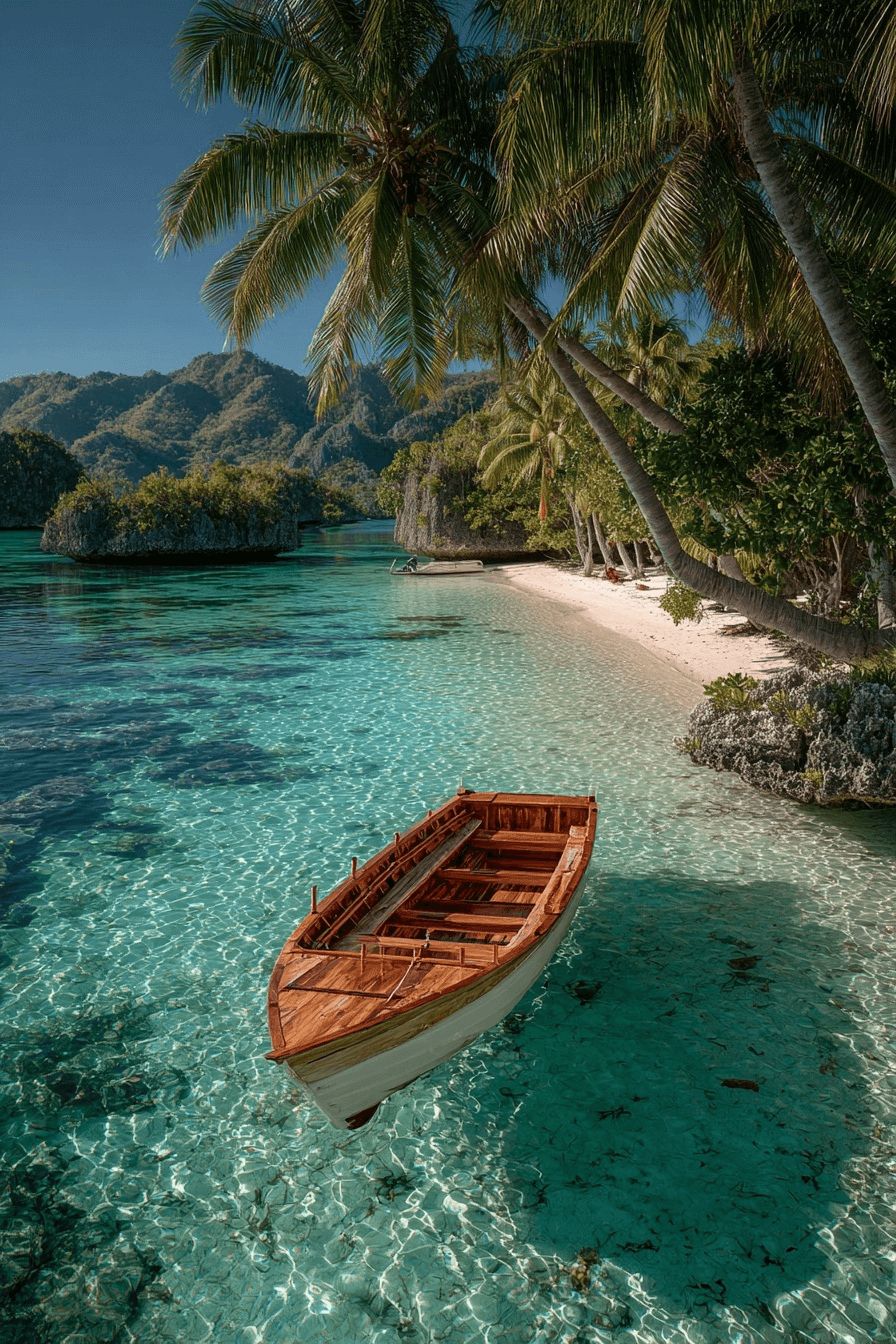
- At the northwestern tip of Indonesia's West Papua province, Raja Ampat ("Four Kings") archipelago comprises 1,500+ islands, cays, and shoals scattered across 40,000 square kilometers where the Pacific and Indian Oceans converge.
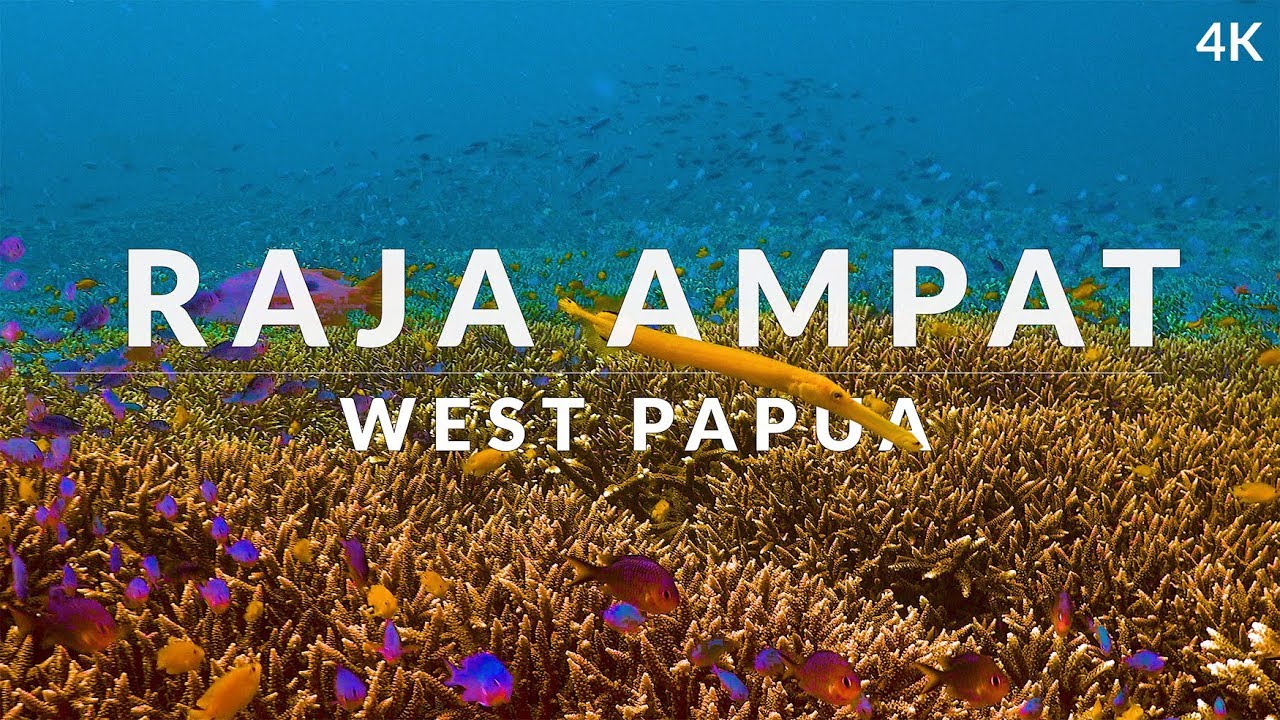
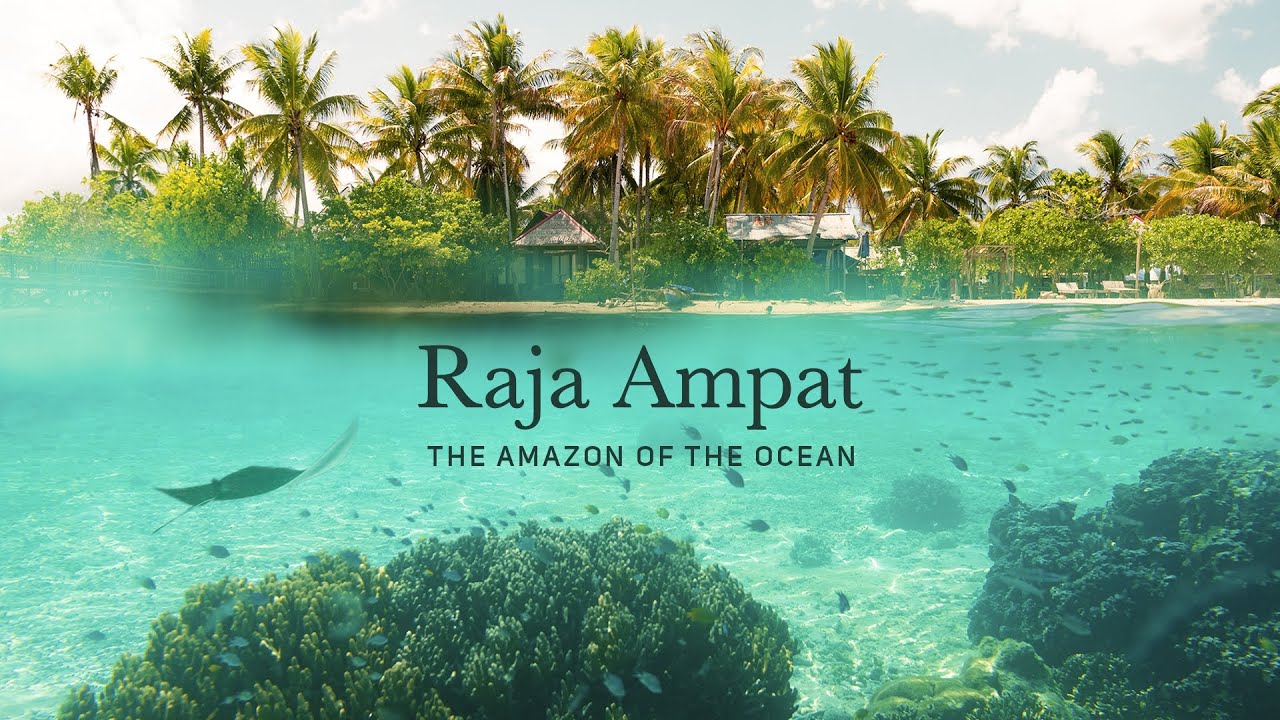
- This remote marine paradise sits within the Coral Triangle—Earth's richest marine biodiversity epicenter—hosting 75% of known coral species (600+), 1,700+ reef fish species, and the highest marine biodiversity density on the planet.
- The underwater realm stuns: vertical walls dropping to abyssal depths encrusted with soft corals in psychedelic colors; shallow reefs teeming with fish schools numbering thousands; manta ray cleaning stations where 10-20 mantas gather simultaneously; wobbegong sharks, walking sharks, and pygmy seahorses; macro subjects from nudibranchs to ornate ghostpipefish.
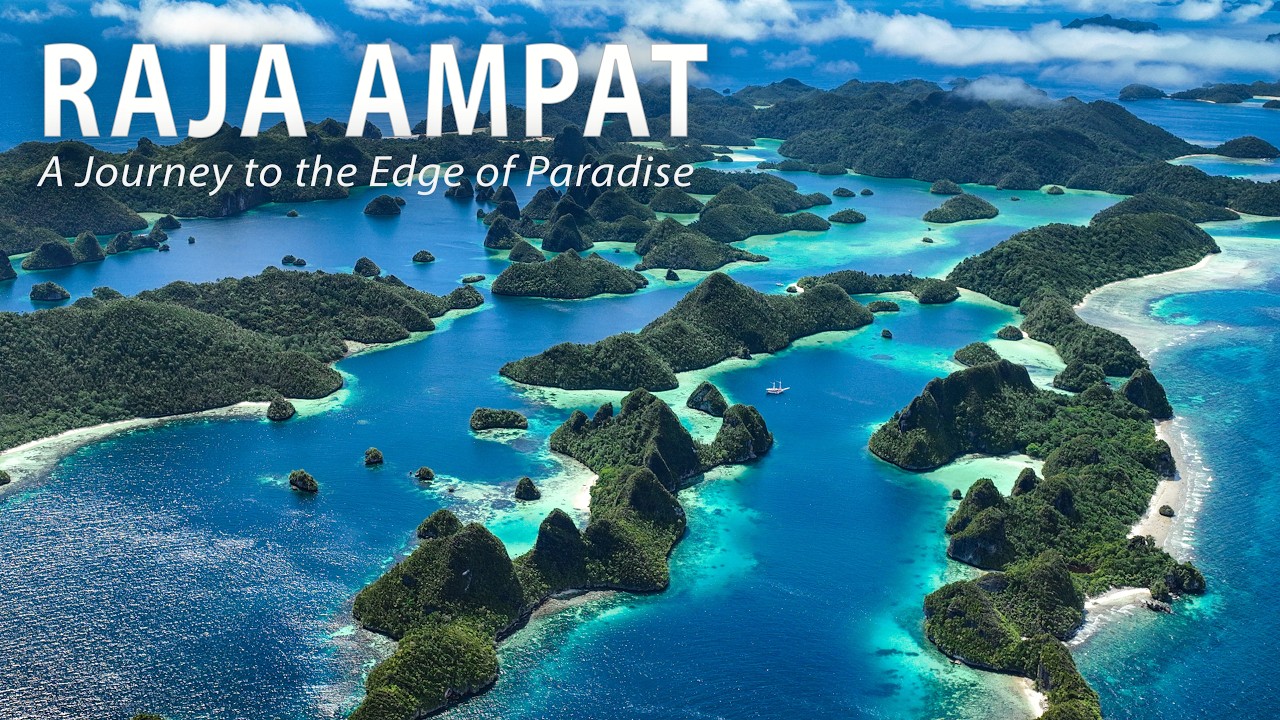
- Above water, the karst limestone islands covered in jungle rise dramatically from turquoise waters—the iconic Piaynemo and Wayag viewpoints reveal scattered islands and lagoons creating landscapes resembling Thailand's Phi Phi or Vietnam's Halong Bay, but more pristine.
- The region remained largely inaccessible until 1990s; even now, minimal development preserves authenticity.
- The 50,000 inhabitants—primarily Papuan and Moluccan peoples—live in stilt-house villages, practicing traditional fishing and maintaining customs predating Indonesian integration.
- The culture differs dramatically from Muslim-majority Indonesia—Christianity dominates, Papuan languages spoken, and matrilineal inheritance systems persist.
- The region's isolation preserved both natural and cultural heritage—no mass tourism, no chain hotels, no crowds.
- Visitors stay in small eco-resorts or liveaboard dive boats, accessing pristine dive sites with minimal human impact.
- The conservation efforts, led by local communities and NGOs, established marine protected areas covering significant portions.
- Whale sharks, dugongs, and multiple dolphin species frequent waters.
- Bird life includes birds of paradise (Wilson's and Red species), kingfishers, and hornbills.
- The best diving season runs October-April (calm seas, peak visibility 30+ meters), while May-September brings rougher conditions but manta ray peak season.
Watch it
Who Visits
- Scuba divers (70%), snorkelers (15%), nature photographers (10%), adventure travelers (5%).
- Demographics 30-60, affluent (expensive destination), predominantly European (German, Dutch, British, French), American, Australian.
- Serious divers with 50-100+ logged dives common—Raja Ampat represents bucket-list destination for underwater enthusiasts.
- Annual visitors approximately 20,000 (tiny compared to mainstream Indonesian destinations)—limited accommodation and remote location naturally restrict numbers.
- Peak season October-November and March-April balance weather and marine life.
How to Get There
- Very Difficult.
- From international hubs (Singapore, Jakarta), fly to Sorong, West Papua (2-4 hour flights, $150-400).
- From Sorong, speed boats transfer to resorts/liveaboards (2-4 hours depending on destination, $30-80, rough seas common).
- The transfer itself is adventure—bouncing across open ocean, navigating island channels, spotting dolphins.
- Alternatively, liveaboard dive boats depart directly from Sorong harbor (embarkation evening, first dive next morning).
- Raja Ampat requires significant financial commitment: budget resorts $150-300/night including meals and local diving; mid-range eco-resorts $300-600/night; luxury resorts $600-1,200/night; liveaboards $250-500 per person/day for 7-14 day trips.
- All-inclusive pricing (meals, diving/snorkeling, transfers) is standard.
- No ATMs in Raja Ampat—bring cash (Indonesian Rupiah) from Sorong.
- Very limited mobile coverage—most resorts offer wifi in common areas only.
- Medical facilities minimal—serious diving injuries require evacuation to Sorong (4+ hours) or Manado (flight).
- The remoteness is part of the appeal but requires preparation and acceptance of limited modern conveniences.
Best Time to Visit
- Experienced scuba divers (essential destination for serious divers), snorkelers, underwater photographers, marine biologists, adventure travelers comfortable with rustic conditions, nature enthusiasts.
- Best for couples or small friend groups.
- NOT ideal for: non-swimmers (primary activities water-based), families with young children (remoteness, lack of facilities, long boat rides), luxury travelers unwilling to accept basic conditions, budget travelers (expensive destination), travelers requiring constant connectivity/entertainment.
Risk & Safety
- MODERATE-HIGH.
- Diving risks are primary concern: Strong currents at sites like Cape Kri and Blue Magic can sweep divers away—only for advanced divers with excellent buoyancy control and current-diving experience; downcurrents can pull divers deep rapidly.
- Decompression sickness risk heightened by remote location—nearest hyperbaric chamber in Manado (4+ hours by flight) or Sorong (limited capacity).
- Marine hazards: Venomous lionfish, scorpionfish, and stonefish common; occasional jellyfish blooms; crocodiles in mangrove areas (rare but present).
- Boat travel: Rough seas cause seasickness; small boats in open ocean carry inherent risks; life jackets provided but boat safety standards vary.
- Health concerns: Malaria risk (prophylaxis recommended); dengue fever; limited medical care beyond basic first aid.
- Isolation: Multi-day boat trips to remote locations mean evacuation challenges for any emergency.
- Appropriate for families with teens comfortable with boats and snorkeling, but not recommended for young children due to long boat rides, limited medical access, and water-based nature of all activities.
- Scuba diving insurance mandatory (DAN or equivalent).
- Choose reputable operators—PADI 5-star resorts and established liveaboards (M/V Shakti, M/V Samambaia, Damai) maintain high safety standards.
Pictures (6)
Unique Experiences
- World-Class Diving at Legendary Sites: Raja Ampat hosts the planet's premier diving. Cape Kri: Holds world record for most fish species in single dive (374, set in 2012); the site features a shallow reef where massive schools of fusiliers, snappers, trevally, and barracuda swirl in silver clouds; sharks, turtles, and bumphead parrotfish add to sensory overload—every surface covered in healthy coral, visibility often 30m+, current can be strong. Blue Magic: Deep seamount where reef sharks, grey reef sharks, and occasional hammerheads circle while schooling fish create living walls; barracuda tornadoes form in blue water; advanced dive (depth 25-35m, current). Manta Sandy: Cleaning station where 5-20 manta rays simultaneously circle while cleaner wrasse remove parasites; mantas approach divers within touching distance (look but don't touch); season year-round but peak September-November. Sardine Reef: Macro paradise with pygmy seahorses (world's smallest, 1-2cm), ornate ghostpipefish, nudibranchs in impossible colors, and walking sharks. Most resorts offer 3-4 dives daily; liveaboards 4-5 dives. Non-divers can snorkel these same sites (except deepest)—the reef tops at 5-15m depth provide equally spectacular experiences.
- Piaynemo Viewpoint Sunrise Hike: This iconic vista (featured in virtually all Raja Ampat promotional images) requires 30-minute boat ride from resorts, then 20-minute hike (330 steps, steep but manageable) up karst hill to wooden platform. The 360-degree panorama reveals scattered limestone islands—some mushroom-shaped, others blade-like—surrounding turquoise lagoons in fractal patterns extending to horizons. Arrive for sunrise (5:30-6:30am depending on season) when soft light illuminates the scene without harsh shadows. The tranquility—only bird calls and lapping water—enhances the visual spectacle. Bring wide-angle lens or phone for panoramic shots. Most resorts organize sunrise tours (included in stay or $40-80 if day trip from different island). The hike is hot—start early, bring water. Wayag Islands further north offer even more dramatic versions of this landscape (remote, multi-day boat trips required).
- Village Homestay Cultural Immersion: Several islands (Arborek, Yenbuba, Sawinggrai) offer family homestays ($30-60/night including basic meals)—far less comfortable than resorts but authentic cultural exchange. Stay in stilthouse rooms, use shared squat toilet and mandi (pour-over bathing), eat local diet (fish, sago, cassava, tropical fruits), join fishing excursions at dawn, learn traditional crafts (pandanus weaving, shell jewelry), attend church services (bring modest clothing), and experience Papuan hospitality. Evening storytelling sessions (through translation if needed) reveal legends, cultural practices, and community concerns (overfishing, climate change impacts). The connection formed with host families transforms your understanding of Raja Ampat beyond tourist experience. Book through community-based tourism programs or resort arranged homestays.
- Birdwatching for Birds of Paradise: Raja Ampat hosts multiple endemic bird species including Red Bird of Paradise and Wilson's Bird of Paradise—males perform elaborate courtship displays in forest "leks" (display grounds). Specialized birdwatching guides ($80-120 per day) lead pre-dawn hikes into primary forest on Batanta, Waigeo, or Gam islands to observation positions near leks. Sitting silently in darkness, listening to forest awaken, then witnessing males' iridescent plumage and acrobatic displays as dawn breaks provides ornithological thrills. Also spot hornbills, kingfishers, parrots, and cockatoos. This requires separate booking from diving-focused stays—combine with Sorong-area birding lodges for comprehensive avian experience. Best season September-December (peak displaying).
- Kayaking Through Limestone Karst Passages: Many resorts provide complimentary kayaks for exploring surrounding islands. Paddle through narrow channels between karst formations, discovering hidden lagoons, secluded beaches, and mangrove estuaries. The crystal-clear water allows viewing fish, sharks, and rays from above. The silence of kayaking (versus motorboats) allows approaching wildlife—turtles surfacing, dolphins passing, sea eagles soaring. Multi-day kayak expeditions (guided, $200-300/day) island-hop camping on beaches—advanced paddlers only due to open ocean crossings. The combination of physical activity, exploration, and intimate landscape engagement complements diving's focus.