Croatia
Plitvice Lakes National Park
- In Croatia's mountainous Lika region between Zagreb and Zadar, Plitvice Lakes National Park protects 296 square kilometers of interconnected aquamarine lakes, thundering waterfalls, and primeval forests—Southeast Europe's most visited natural attraction and UNESCO World Heritage site since
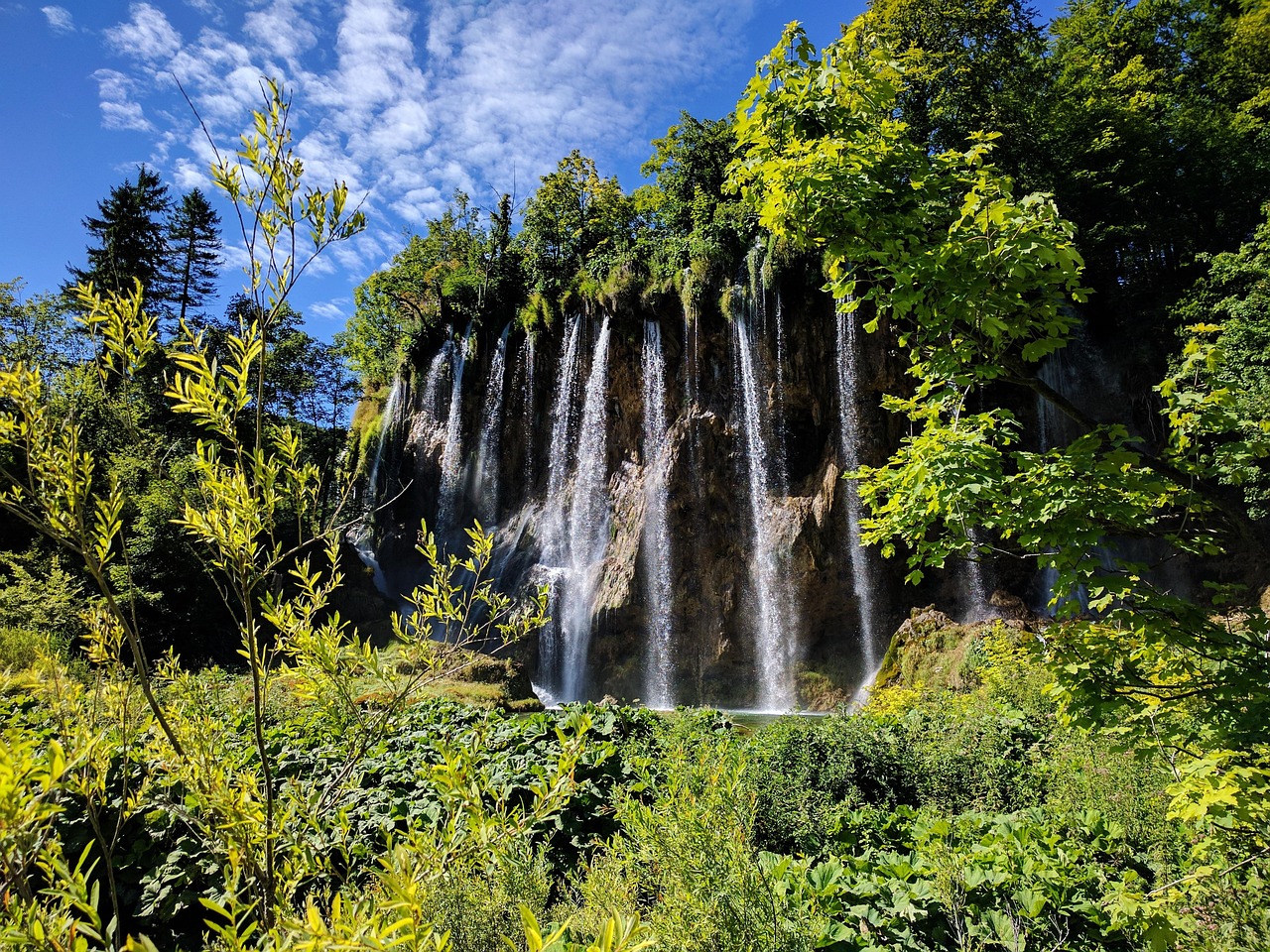
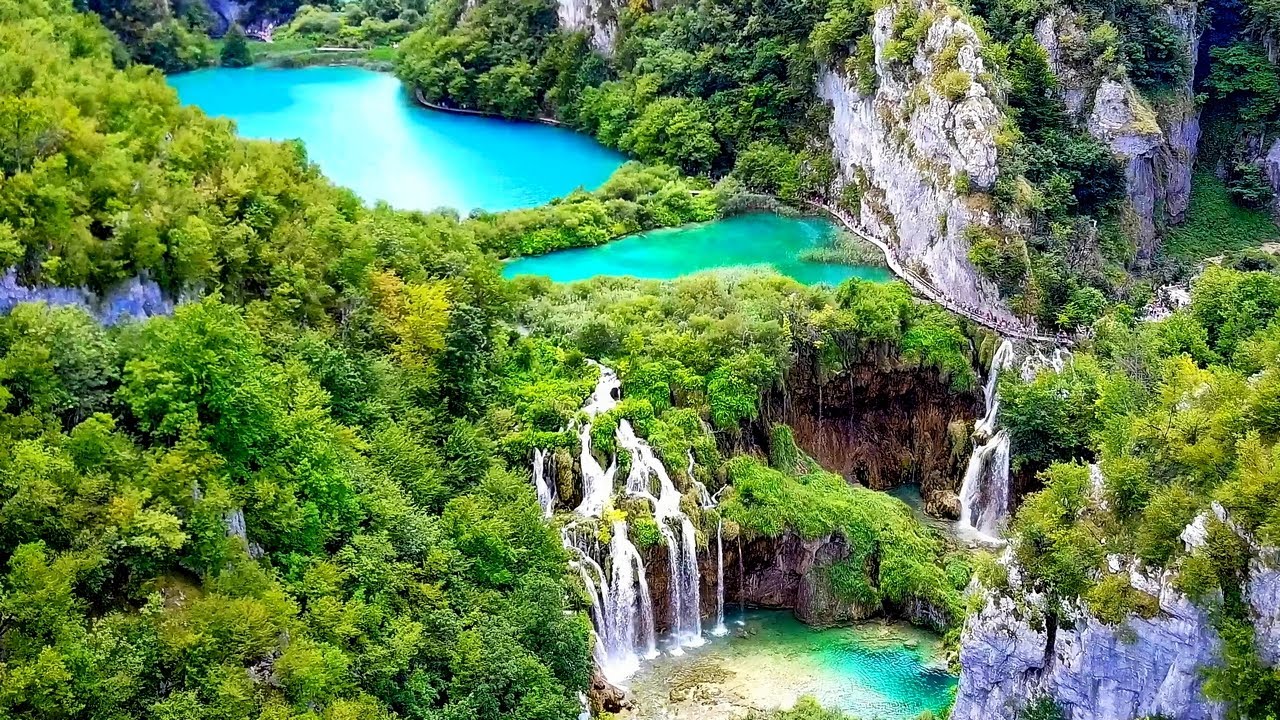
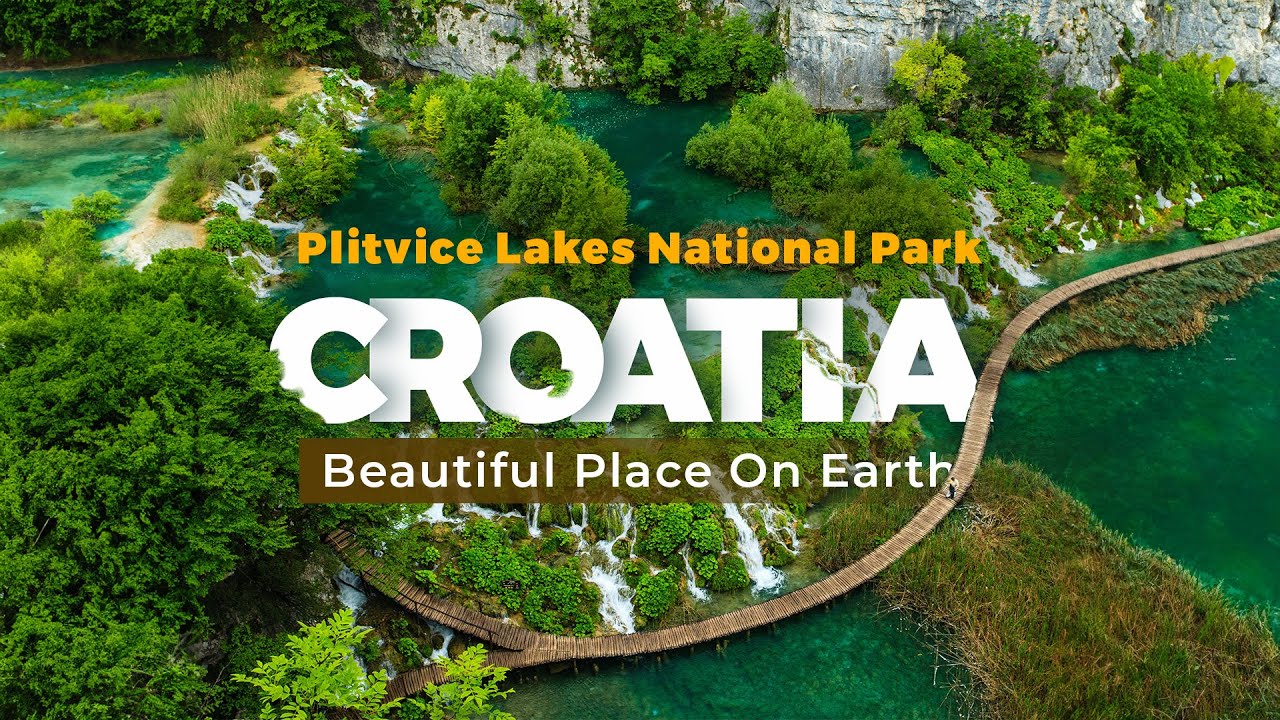
- The park's centerpiece comprises 16 named lakes connected by 90+ waterfalls, formed by natural travertine dams created over millennia by calcium carbonate deposition. The lakes cascade down elevation from Upper Lakes (Gornja Jezera, reaching 636m altitude) to Lower Lakes (Donja Jezera, 380m), with total elevation drop of 133 meters. Each lake displays distinct coloration—azure, emerald, gray, blue—depending on minerals, organisms, and sunlight angles, creating a constantly shifting palette. The largest waterfall, Veliki Slap (Big Waterfall), plunges 78 meters in a single curtain of white water generating perpetual mist rainbows. Wooden boardwalks wind over and beside waters so clear that trout and fallen logs appear suspended in crystalline liquid. The travertine formation process continues actively—the barriers grow 1cm annually as moss, algae, and bacteria deposit calcium carbonate, meaning the lakes' configurations evolve constantly. Ancient beech and fir forests covering 81% of the park host brown bears (10-15 individuals), wolves, wildcats, and 321 butterfly species. The park received its first conservation protection in 1928—among Europe's earliest nature preserves. Despite 1.5 million annual visitors, careful management maintains environmental integrity. Four marked trails (2-8 hours duration) with boardwalks, electric boats, and panoramic trains allow exploration without environmental damage. Spring (April-June) brings maximum water flow from snowmelt, creating the most dramatic waterfalls but larger crowds. Autumn (September-October) ignites forests in crimson, gold, and amber. Winter transforms waterfalls into frozen sculptures and crowds disappear, though some areas close. Summer brings warm swimming-temperature water (though swimming prohibited to protect ecosystem).
Watch it

Who Visits
- Nature lovers (40%), families (30%), photographers (20%), hikers (10%).
- Extremely diverse demographics—all ages, all fitness levels, from toddlers to seniors.
- Strong representation from German, Austrian, Italian tourists; increasing Asian visitors.
- Domestic Croatian tourism significant.
- Peak summer (July-August) sees 10,000+ daily visitors; spring/autumn 3,000-5,000 daily; winter 500-1,000 daily.
How to Get There
- Easy.
- From Zagreb, drive 130km south (2 hours via excellent highways A1, then D1, €15 highway toll).
- From Zadar (coast), drive 110km northeast (1.5 hours).
- Buses operate from major Croatian cities ($15-25).
- Two main entrances (Entrance 1 for Lower Lakes, Entrance 2 for Upper Lakes) have large parking lots (€10), visitor centers, restaurants, hotels nearby.
- Park entry €10-40 depending on season (cheapest November-March, most expensive July-August).
- The park is stroller and wheelchair accessible along main boardwalks (approximately 30% of total trail system), though some steep sections and stairs limit full access.
- Free shuttles and electric boats (included in ticket) connect lake areas.
- Mobile coverage good.
- Medical station in park; hospitals in Slunj (35km).
- Accessible year-round, though winter requires appropriate clothing (temperatures -5°C to 5°C).
Best Time to Visit
- Literally everyone—families with toddlers, elderly, disabled visitors (partial accessibility), photographers, nature enthusiasts, couples, solo travelers, large groups.
- Croatia's most universally accessible natural wonder.
- Ideal first destination for those new to nature tourism.
Risk & Safety
- VERY LOW.
- This is among Europe's safest natural attractions.
- Boardwalks have railings; life jackets provided on boats; staff patrol constantly.
- Main risks are slips on wet boardwalks (wear appropriate footwear—flip-flops banned for safety), overexertion in summer heat, and dehydration.
- Bear encounters extremely rare (animals avoid crowded areas)—no attacks on record.
- Swimming prohibited (€5,000 fine, strictly enforced) to protect water quality and ecosystem—travertine formation is fragile.
- Perfect for families with young children and seniors.
- Winter ice presents additional slip hazards but park management salts and closes dangerous sections.
- Lightning risk during summer storms—seek shelter in buildings or boats.
Pictures (10)
Unique Experiences
- Dawn Photography at Veliki Slap: Arrive when gates open (7am summer, 8am winter) to experience the park in pristine solitude before crowds. The 20-minute walk from Lower Lakes entrance brings you to Croatia's tallest waterfall crashing down moss-covered cliffs. Morning sunlight filters through mist creating continuous rainbows. The roar is deafening; spray soaks everything within 30 meters. Photographers capture long-exposure shots (bring tripod, neutral density filters) that transform rushing water into silky curtains. The surrounding amphitheater of greenery and travertine walls amplifies the spectacle. Return midday and the trail swarms with thousands—dawn provides your private experience.
- Eight-Hour Trail K Full Immersion (Route K): This 18.3km trail combines all major features—both Upper and Lower Lakes, using boardwalks, boats, and panoramic trains. Begin at Entrance 1, traverse Lower Lakes' dramatic canyon sections where boardwalks hover centimeters above water, board electric boat across Kozjak Lake (20 minutes, enjoy cliff views), hike Upper Lakes' serpentine cascades, and descend via panoramic train. The route requires 6-8 hours and moderate fitness but showcases the park's full spectrum. Bring packed lunch (no restaurants en route), water, and weather layers. Spring visits (April-May) provide maximum waterfall drama from snowmelt; autumn (September-October) delivers spectacular foliage and smaller crowds.
- Wildlife Watching at Dusk: Book accommodation in Park hotels (Hotel Jezero, Hotel Plitvice) allowing evening/early morning park access when day visitors depart. Late afternoon (5-7pm), position near Upper Lakes' quieter sections. Bears occasionally appear at forest edges (maintain 100m distance, never approach); deer, foxes, and wildcats emerge. The 126 bird species include woodpeckers, hawks, and rare Ural owls. Bring binoculars. The evening light transforms lakes into glowing jewels. This requires patience and luck, but rangers report wildlife sightings increase dramatically outside visitor hours.
- Winter Ice Kingdom Exploration: December-February, when waterfalls freeze into crystalline columns and caves, and crowds vanish, the park becomes ethereal wonderland. Smaller waterfalls freeze completely into vertical ice sculptures; larger ones maintain water flow through ice formations creating ice-water contrasts. Lakes' edges freeze creating white borders against turquoise centers. The forest silence is profound—snow muffles all sound. Approximately 30% of trails remain open; some boardwalks close (ice-slippery hazard). Dress warmly (layers, waterproof boots with traction, hand warmers). Entry fees lowest, accommodations discounted 50%. The trade-off: some areas inaccessible, early darkness (4:30pm sunset), risk of trail closures in extreme weather.
- Traditional Lika Cuisine Experience: In park hotels or nearby villages (Rastoke, 30km north, is a miniature version of Plitvice), taste regional specialties: "peka" (lamb or veal slow-cooked under iron dome covered with coals), "štrukli" (cheese pastry), "varenike" (filled dumplings), and homemade fruit brandies ("rakija"). Rastoke village, where Slunjčica River creates miniature waterfalls through the settlement, offers authentic atmosphere in family-run konobas (taverns). The pairing of hearty mountain food with waterfall views completes the experience.