Greece
Meteora Monasteries
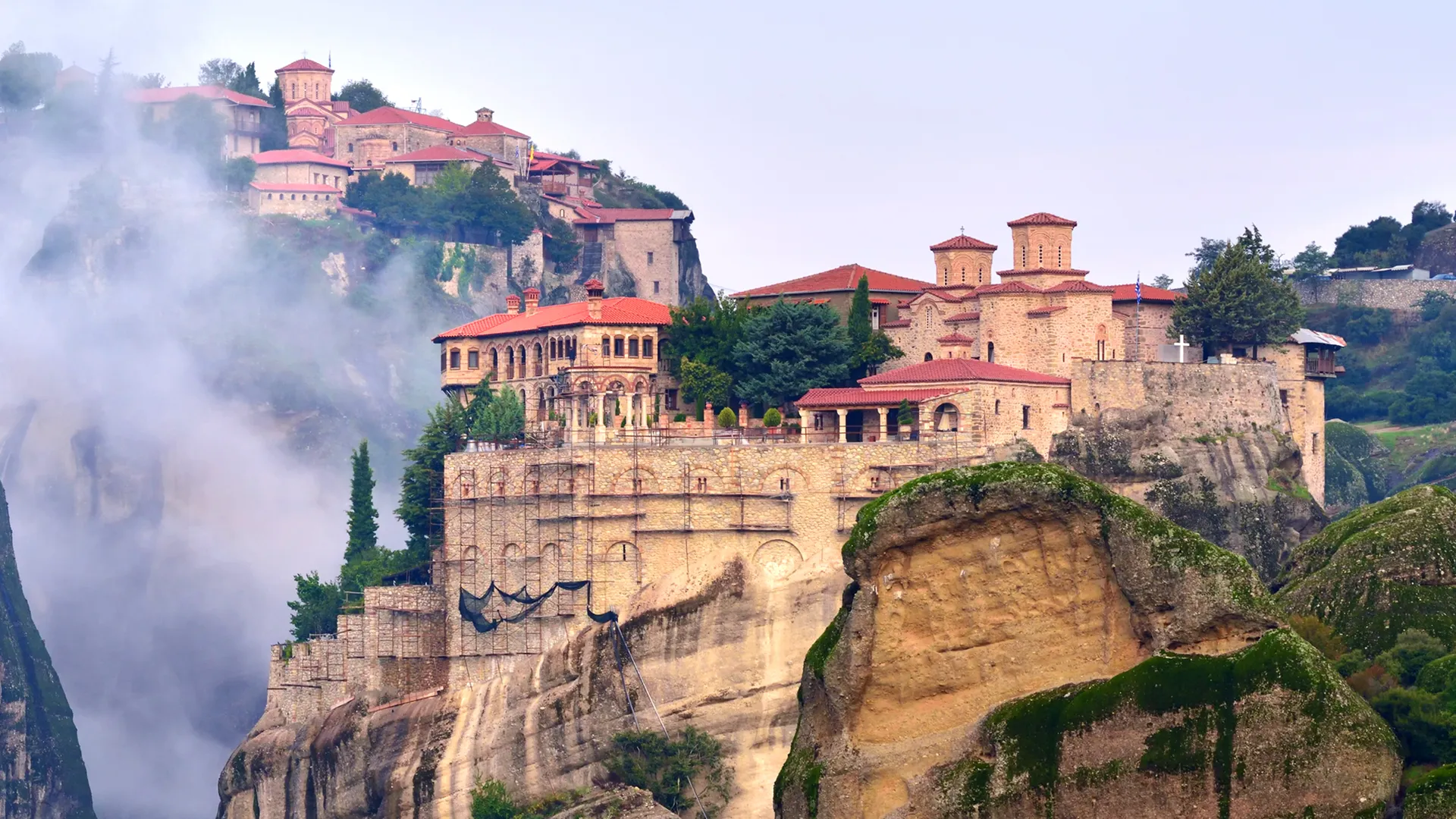
- In central Greece's Thessaly region, 60 million years of geological forces created vertical rock pillars—"suspended in air" (meteora in Greek)—soaring up to 400 meters from the Pineios Valley floor.
- These sandstone and conglomerate formations, shaped by river erosion and earthquakes, host 24 monasteries (6 remain active) perched impossibly atop narrow summits, constructed beginning in the 14th century when hermit monks sought isolation and defense from Ottoman invasions.
- The monasteries—Megalo Meteoro (Great Meteoron, largest and highest at 613m elevation), Varlaam, Holy Trinity, St.
- Stephen's, Roussanou, and St.
- Nicholas Anapafsas—contain priceless Byzantine frescoes, ancient manuscripts, and artifacts.
- Originally accessible only by rope ladders or net baskets hauled by windlass (the rope, legend says, was "replaced when the Lord let it break"), stone staircases carved in the 1920s now connect five of six to the valley.
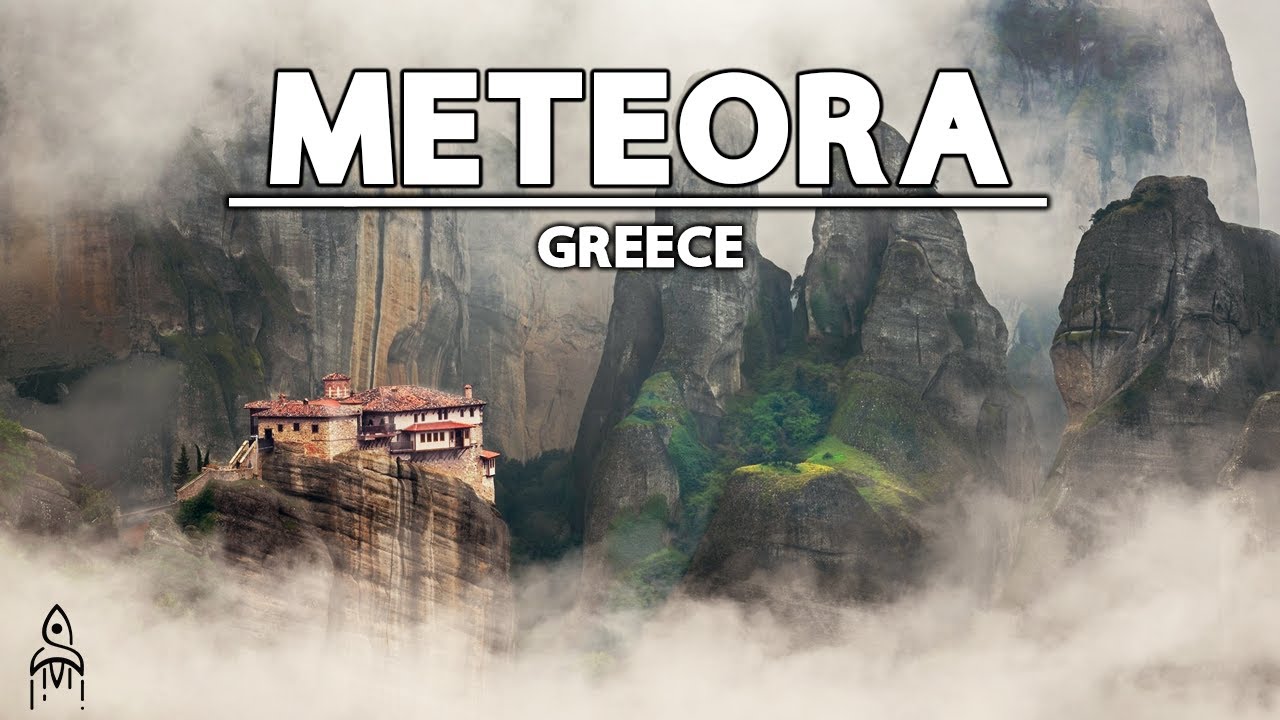
- The landscape evokes Middle Earth: mist swirls through pinnacles at dawn, eagles circle thermals, and the Pindos Mountains provide dramatic backdrop.
- Kalambaka and Kastraki villages nestled below offer traditional hospitality.
- The site represents extraordinary human determination—monks hauled every stone, timber, and fresco pigment up sheer cliffs over decades.
- UNESCO World Heritage status (1988) protects the site.
- Sunset ignites the rocks in amber and crimson; sunrise gilds them in soft pink.
- The spiritual atmosphere remains palpable—monks and nuns still practice Orthodox liturgy, bells echo through valleys, and the smell of incense drifts from chapels.
Watch it
Who Visits
- Religious pilgrims (30%), history enthusiasts (25%), rock climbers (20%), photographers (15%), cultural tourists (10%).
- Demographics span all ages; families with children common.
- Strong Orthodox Christian pilgrimage presence from Greece, Russia, Eastern Europe.
- International tourists from Asia, Americas, Europe.
- Annual visitors: 1-2 million, concentrated April-October.
How to Get There
- Easy-Moderate.
- From Athens, drive (4.5 hours via E65) or take train to Kalambaka (4.5 hours, scenic route through mountains).
- Buses also available ($30-40).
- Kalambaka offers full tourist infrastructure—hotels, restaurants, car rentals.
- From town, monasteries are 2-10km away via excellent paved roads.
- Each monastery requires climbing 140-300 stone steps (no elevators)—tiring but manageable for most fitness levels.
- St.
- Stephen's Monastery has no steps, accessible via bridge—ideal for limited mobility visitors.
- Local buses connect monasteries ($2-3, irregular schedules).
- Rental car/scooter recommended for independence ($30-50/day).
- Taxi tours available ($60-100 for 3-4 hours).
- Mobile coverage excellent.
- Medical facilities in Kalambaka.
- Accessible year-round; winter (November-March) sees snow, fewer crowds, and ethereal mist conditions.
Best Time to Visit
- All ages and fitness levels (excluding cave explorations), religious pilgrims, history enthusiasts, families with children 6+, couples, photography groups, elderly travelers (St.
- Stephen's especially).
- One of Europe's most accessible "bucket list" destinations.
Risk & Safety
- LOW-MODERATE.
- Main risks are slips on stone steps (can be slick when wet, worn smooth by centuries of feet) and heat exhaustion in summer (35°C+, limited shade).
- Elderly or very young children may struggle with step climbing—Great Meteoron has 300 steps.
- Modest dress required—refusal of entry if non-compliant.
- Rock climbing involves standard climbing risks—falls, rockfall—requires experienced guides.
- Generally extremely safe for families.
- St.
- Stephen's Monastery is fully accessible for wheelchairs and strollers via bridge access.
Pictures (5)
Unique Experiences
- Monastery Interior Exploration: Each monastery showcases distinct character. Great Meteoron (€3 entry) houses museum with manuscripts, vestments, and the original windlass mechanism; the katholikon (main church) displays 16th-century frescoes depicting martyrdoms in vivid detail. Varlaam's tower and former hospital fascinate. Roussanou, run by nuns, features exquisite flower gardens and gentle atmosphere. Holy Trinity (Agias Triados), most dramatically positioned, requires 140 steps cut into cliff—featured in James Bond film "For Your Eyes Only." Dress code strictly enforced: men require long pants; women need long skirts (wraps provided) and covered shoulders. Photography allowed outside, restricted inside.
- Sunset Viewing from Psaropetra Rock: This unofficial viewpoint between Great Meteoron and Varlaam monasteries offers panoramic perspectives where six monasteries, dozens of rock pillars, and valley unfold. The 15-minute hike from parking area attracts photographers who wait hours for perfect light—golden hour transforms gray stone to honey-colored warmth. Crowds gather (50-100 people summer evenings) but camaraderie prevails as everyone shares the spectacle. Bring headlamps for descent after dark.
- Rock Climbing Pilgrimage: Meteora hosts world-class sport climbing—400+ established routes rated 5.7-5.14 in difficulty across 80+ pillars. Climbers follow ancient chimney systems and crack lines where monks once ascended. Hire local guide services (Lazarides or Christos Climbing Shop in Kalambaka, €80-120 per person for 4-6 hours) for equipment and route knowledge. Many routes pass abandoned hermit caves carved into rock faces. Climbing season optimal April-June and September-October. Not for beginners—most routes require intermediate+ skills.
- Traditional Village Evening in Kastraki: This village of 1,000 nestles directly beneath the rocks. Dine at family tavernas (Panellinio, Taverna Gardenia) serving traditional Thessalian cuisine: kontosouvli (spit-roasted pork), hilopites (handmade pasta with chicken), and local wines. Evening walks through narrow streets reveal stunning monastery vistas from every corner. Stay in stone guesthouses where morning views include monasteries catching first light.
- Hermit Cave Exploration with Guide: Local guides (contact Meteora Thrones, €45 per person) lead excursions to rarely visited hermit caves and abandoned early monasteries—Badovas, Doupiani, Ypapanti. These involve moderate scrambling and reveal faded frescoes, carved niches, and meditation cells from the 9th-11th centuries before the high monasteries were built. Provides context for the spiritual evolution of the community.