Norway
Lofoten Islands
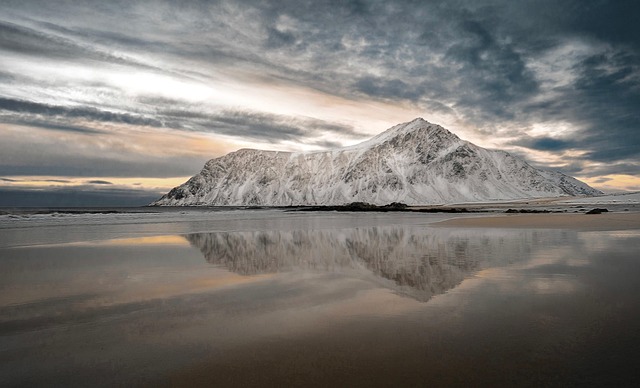
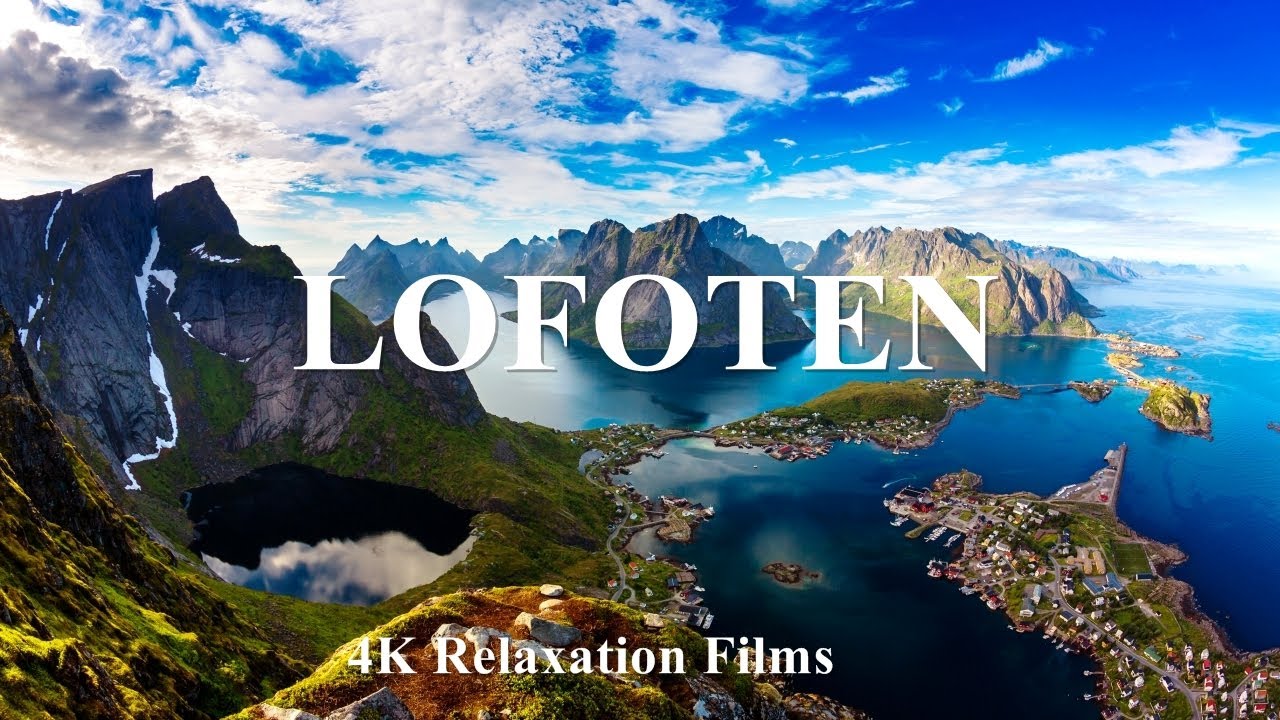
- The Lofoten archipelago, rising dramatically from the Norwegian Sea 200km north of the Arctic Circle, comprises a 150km-long chain of mountainous islands connected by bridges, tunnels, and short ferries. These jagged granite peaks plunge directly into the sea from heights exceeding 1,000 meters, creating a landscape of violent beauty—vertical cliffs, U-shaped valleys carved by Ice Age glaciers, and white-sand beaches backed by impossible mountains. The islands host 24,500 permanent residents in colorful fishing villages where traditional red rorbu (fishermen's cabins on stilts) line harbors. The midnight sun (May 25-July
- provides 24-hour golden light; polar nights (December-January) bring perpetual twilight and spectacular northern lights. The moderating Gulf Stream creates improbably mild climate for the latitude—winter temperatures rarely drop below -5°C despite location above Arctic Circle. Lofoten's economy historically centered on cod fishing—every winter, Arctic cod migrate here to spawn in huge numbers, a phenomenon exploited for over 1,000 years. Today, fish-drying racks (hjell) still line shores, creating forests of cod drying in Arctic air to become stockfish (tørrfisk), exported globally. Viking heritage runs deep—the Lofotr Viking Museum recreates an 83-meter longhouse (largest ever discovered). The E10 "King Olav's Road" connects the main islands via engineering marvels—bridges soaring over violent tidal currents, tunnels boring through granite mountains. Each village possesses distinct character: Reine (repeatedly voted Norway's most beautiful village) spreads across multiple islets; Henningsvær's colorful buildings scatter across rocky skerries accessible only by bridge; Nusfjord remains frozen in 19th-century authenticity. The surrounding seas teem with whales, sea eagles, otters, and seals. Hikers find 160+ established trails ranging from family-friendly beach walks to technical scrambles up iconic peaks like Reinebringen (448m, 2 hours, breathtaking fjord views). Summer wildflowers carpet valleys; autumn northern lights dance overhead; winter creates ice-fishing and aurora-chasing paradise.
Watch it
Who Visits
- Outdoor adventurers (35%), photographers (30%), northern lights chasers (20%), cultural tourists (15%).
- Demographics 25-65, strong Scandinavian, German, British, American presence.
- Summer (June-August) brings 80% of annual visitors (approximately 1 million total); winter sees only the dedicated 50,000-100,000.
- The midnight sun period attracts photographers globally; autumn (September-October) and spring (March-April) offer northern lights with less extreme conditions than deep winter.
How to Get There
- Easy-Moderate.
- Fly to Bodø (mainland Norway) from Oslo (1.5 hours, $80-200), then ferry to Moskenes (3.5 hours, spectacular voyage through Vestfjorden, $30) or fly to Leknes/Svolvær airports (30 minutes, $100-180).
- Alternatively, the 10-hour drive from Bodø through mainland then across bridges is legendary scenically.
- Most visitors rent cars ($60-100/day) essential for independence—public buses exist but infrequent.
- The E10 road is excellent, paved, open year-round (though winter requires winter tires).
- Mobile coverage good on main islands.
- Full tourist infrastructure—hotels, rorbu rentals ($100-300/night), restaurants, grocery stores, medical clinics.
- English widely spoken.
- Gas stations plentiful.
- Weather changeable—bring waterproofs and layers.
- Summer temperatures 12-18°C; winter -2-4°C.
- Accessible year-round, though November-January's darkness (polar night) requires specific mindset.
Best Time to Visit
- Photographers (essential destination), outdoor enthusiasts, couples seeking romance, families with teens, solo travelers, northern lights chasers, adventure drivers.
- Excellent for all age groups with appropriate activity selection.
- Norwegian hospitality and infrastructure make it comfortable even for luxury travelers, while adventure options satisfy hardcore outdoors people.
Risk & Safety
- LOW-MODERATE.
- Well-developed infrastructure and Norwegian safety culture minimize risks.
- Main hazards: Weather changes—sudden storms in mountains can trap hikers; always check forecasts.
- Mountain hiking—steep trails, loose rock, cliff exposure require care; several tourist fatalities annually from falls (mostly off-trail scrambling).
- Winter driving—though E10 maintained year-round, sudden snow/ice demands experience and proper tires.
- Cold-water immersion—kayaking accidents rare but potentially fatal in 5-8°C water; wear wetsuits.
- The summer midnight sun disrupts sleep—bring eye masks.
- Generally very safe for families with young children on beaches and villages; hiking requires age-appropriate trail selection.
- Not recommended for: acrophobes on cliff-edge hikes, mobility-impaired (most trails have stairs/steep sections), extreme winter adventures require cold-weather experience.
Pictures (6)
Unique Experiences
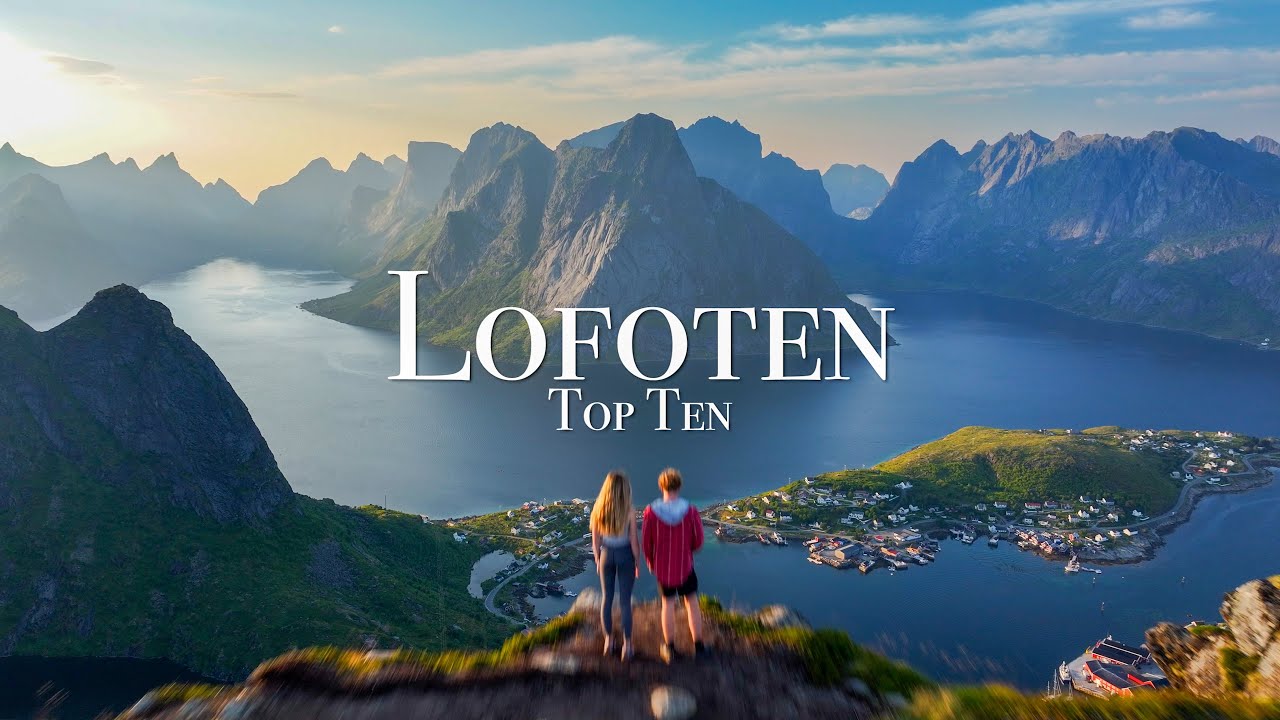
- Reinebringen Summit Sunrise Hike: This 3km round-trip hike ascends 448m via precisely engineered stone stairs (completed 2019 to repair erosion from overtourism). The 1.5-2 hour ascent (steep, relentless) rewards with Lofoten's most iconic view—the fishing village of Reine spreading across islets below, surrounded by knife-edge peaks and fjords extending to horizons. Dawn light (3am-5am midsummer) bathes the scene in pink and gold. Sunset (11pm-1am) equally magical. The viewpoint offers 360-degree panoramas. Highly trafficked (200+ daily in summer)—go early or late for manageable crowds. Moderately strenuous but manageable for fit individuals. Winter ascents possible with microspikes/crampons but risky (ice, darkness, avalanche risk).
- Northern Lights Safari by Boat: September-April, when polar nights return, aurora borealis displays occur 100+ nights annually. Book boat tours ($120-180, 3-4 hours) departing evening from Svolvær or Henningsvær. Guides navigate to dark-sky locations away from village lights, using aurora forecasts. The combination of mountains silhouetted against dancing green, purple, and red curtains of light, reflected in dark waters, creates otherworldly scenes. Warm overalls and hot chocolate provided. The boat prevents cold numbing your experience (unlike standing outdoors). Peak aurora months: February-March, September-October (darkness + clearer weather than deep winter).
- Rorbu Fisherman's Cabin Experience: Rent traditional rorbu—simple wooden cabins originally built for seasonal fishermen, now renovated with modern amenities while retaining character. Locations directly over water on stilts; fall asleep to lapping waves and seabird calls. Morning reveals mountain and fjord views from windows. Many include saunas—embrace Norwegian tradition of sauna then icy sea plunge. Cook fresh-caught cod or book seafood dinners at local restaurants where fishermen supply daily catch. Villages like Nusfjord, Sakrisøy, and Hamnøy offer prime rorbu stays. The experience connects you viscerally to fishing culture spanning millennium.
- Midnight Sun Kayaking: June-July, the sun never sets, creating surreal experiences. Paddle fjords at midnight in daylight—silence broken only by paddles and distant bird cries. The low-angle sun ignites mountains in warm hues. Guided tours ($80-120, 3 hours) from Henningsvær or Reine provide equipment, wetsuits, and route knowledge. Calm summer conditions suit beginners. Advanced paddlers can rent and explore independently. The psychological experience of daylight at midnight profoundly affects many visitors—biological clocks confused, sleep patterns disrupted, but the light addiction is real.
- Henningsvær Football Field Aerial View: This tiny artificial-turf pitch occupies a rocky islet, surrounded entirely by ocean and mountains—repeatedly voted world's most spectacular football field. While you can't visit the field itself (private), the drive to Henningsvær (15km from E10) reveals stunning views, and drone photography (if permitted) captures the iconic image of the field as a tiny green rectangle amid dramatic landscape. The village itself—accessible only by bridge—spreads across multiple skerries, creating Venice-of-the-North atmosphere with galleries, cafes, and climbing gym built in former fish factory.