Austria
Hallstatt
- On the southwestern shore of Lake Hallstatt in Austria's Salzkammergut region, the village of Hallstatt (population
- rises from waterfront to mountain in cascading tiers of pastel-painted houses dating from the 16th-18th centuries. This UNESCO World Heritage site (since
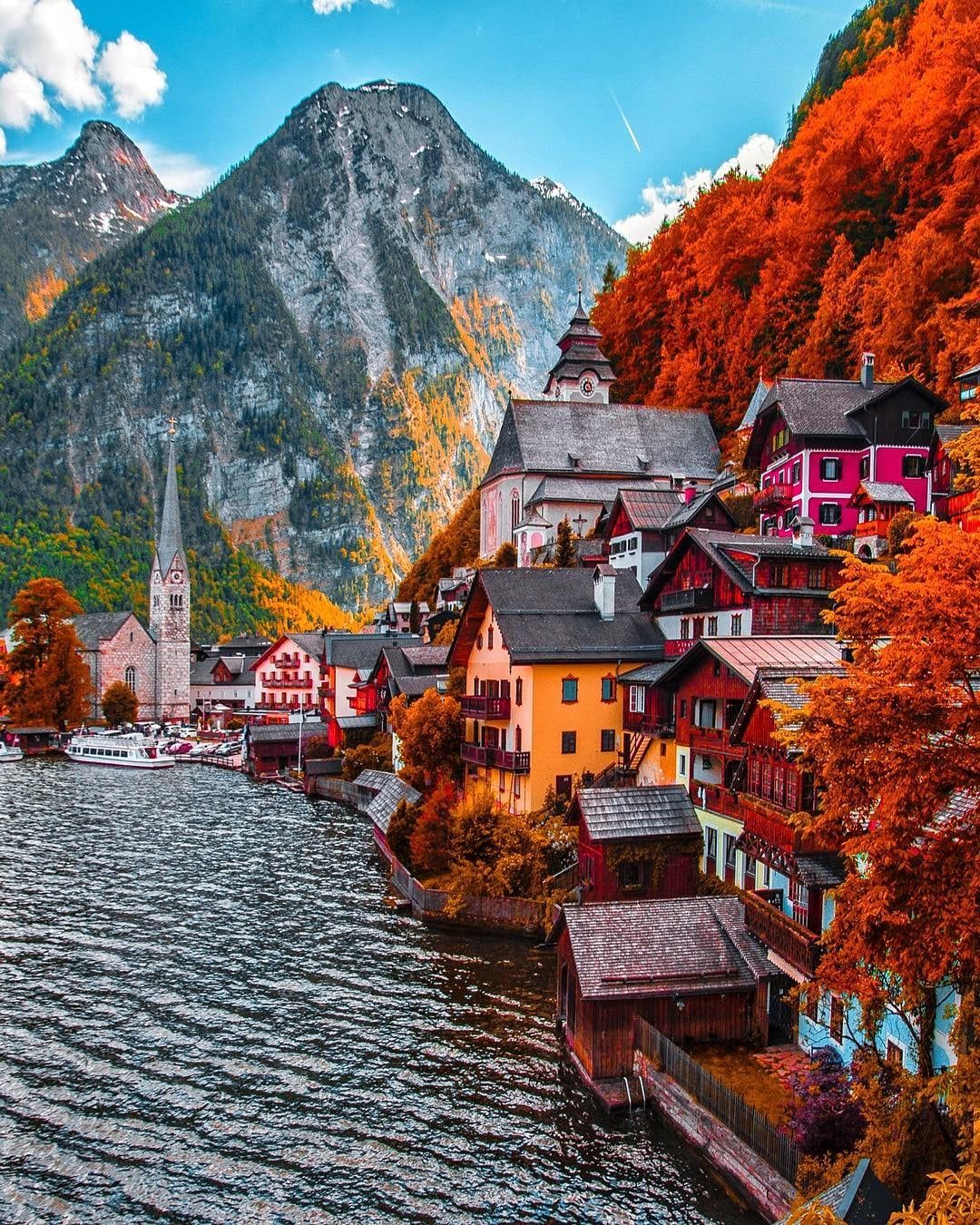
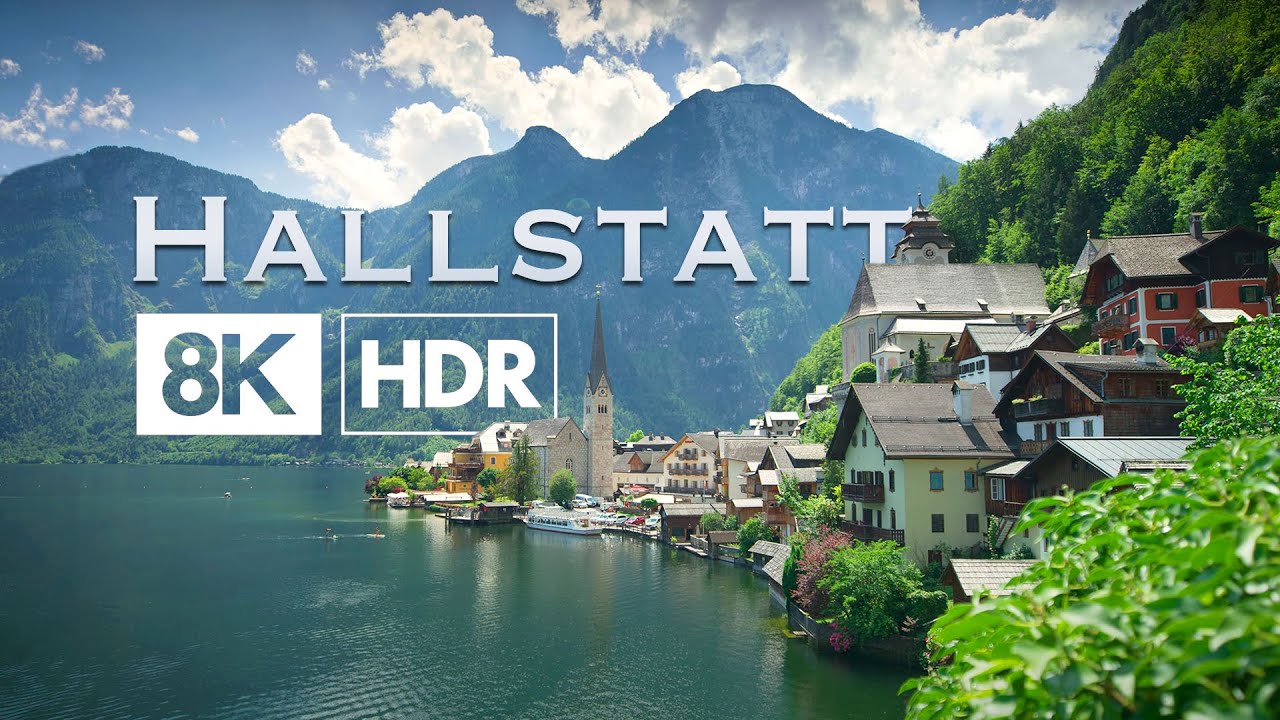
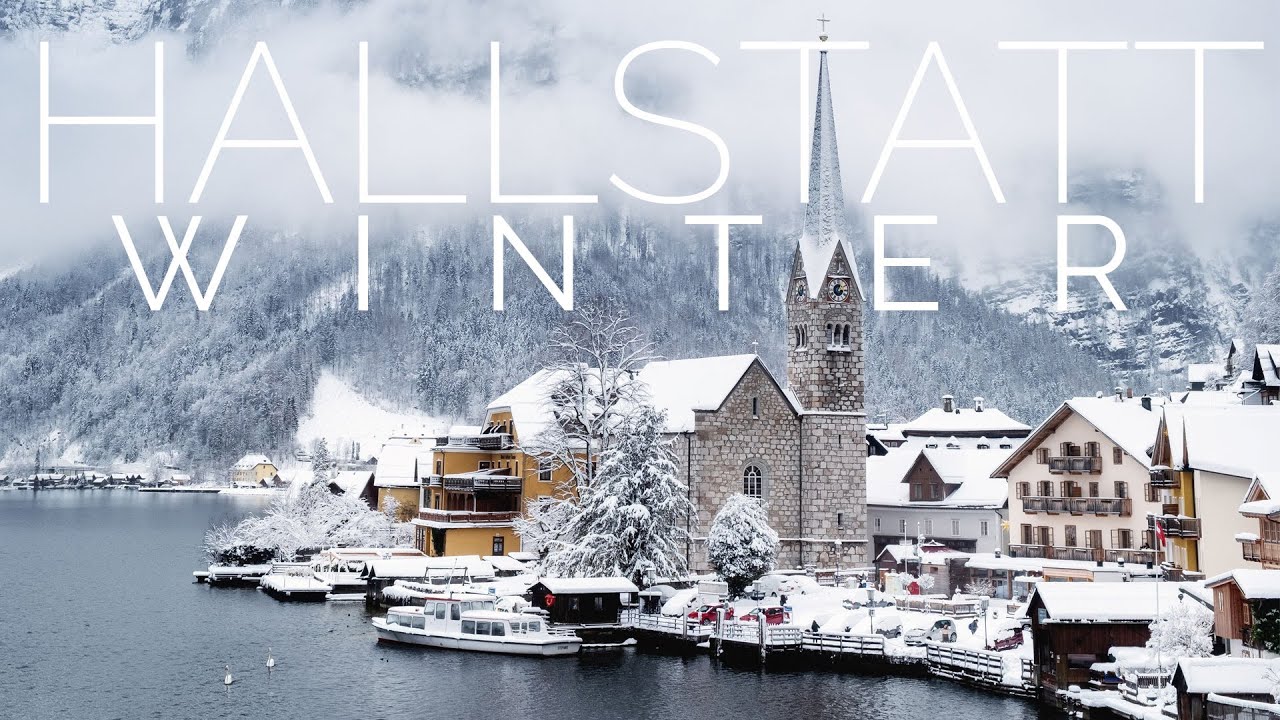
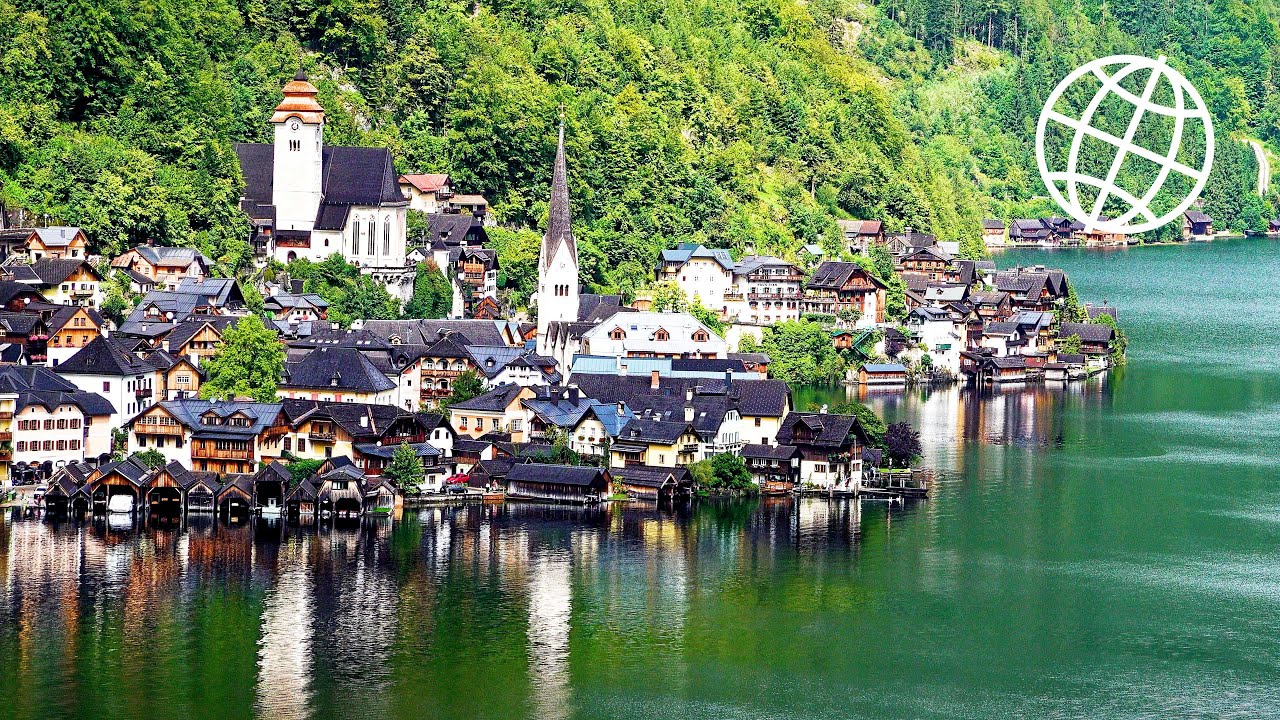
- represents one of Europe's oldest continuously inhabited villages—human presence dates to the Hallstatt Era (800-400 BCE) of Celtic civilization, named after this very location. Salt mining in the mountains above sustained the settlement for 7,000 years—prehistoric salt mines still accessible today. The village's impossibly picturesque setting—wedged between alpine peaks soaring 2,000+ meters and a pristine glacial lake—has made it Instagram's most photographed Austrian destination and attracted 1+ million annual visitors (overwhelming the tiny village). Traditional wooden houses with flower-box windows cluster along narrow cobblestone lanes where cars barely fit (most village is pedestrian). The iconic postcard view—taken from north shore viewing platform—captures the Gothic Evangelical Church spire rising among colorful facades, mountains reflected in lake waters, and wooden boats moored at stone quays. The Hallstatt Ossuary (Beinhaus) contains over 1,200 skulls artistically painted with flowers, names, and dates—a macabre yet beautiful tradition from the 18th-19th centuries when limited burial space required exhuming remains after 10-15 years. The parish church's bone chapel and cemetery terraces cascade the mountainside overlooking the lake. The Skywalk viewing platform (750m altitude above village, reached by funicular) provides aerial perspective. The surrounding Dachstein Massif offers year-round outdoor activities: summer hiking and mountaineering; winter skiing and ice cave exploration. Autumn's golden larches, winter's snow-dusted facades, spring's alpine blooms, and summer's lakeside swimming all create distinct seasonal appeals. The village's preservation results partly from geographic isolation—no road access existed until 1890 (boat-only), and even now, space constraints prevent modern expansion.
Watch it
Who Visits
- Day-trippers from Salzburg/Vienna (60%), Asian tour groups (20%), photographers (15%), cultural tourists (5%).
- Demographics extremely diverse—all ages, all nationalities.
- Chinese tourists particularly prevalent after Chinese developers built a full-scale Hallstatt replica in Guangdong (2012), igniting fascination.
- Peak summer (July-August) sees 10,000+ daily visitors overwhelming village capacity; shoulder seasons (April-May, September-October) provide better balance; winter (December-February) offers snowy fairytale ambiance with manageable crowds (except Christmas markets period).
- Overtourism has created significant tensions—locals outnumbered 1,000:1 by tourists, drone flying banned, and visitor management measures implemented.
How to Get There
- Easy.
- From Salzburg, drive or train 90 minutes (€20-30 train) to Hallstatt Bahnhof (across lake), then ferry (5 minutes, €3, coordinated with train arrivals) to village landing.
- From Vienna, 3 hours by train (€35-50).
- Alternatively, drive (parking severely limited, €8-12/day in lakeside lots that fill early; consider parking in Obertraun 3km away, €4, then bus/taxi).
- The village itself is compact—walkable end-to-end in 10 minutes.
- Hotels, restaurants, souvenir shops, and bakeries line the main lakeside promenade and Market Square.
- Mobile coverage excellent.
- Medical facilities in nearby Gmunden (20 minutes).
- English widely spoken.
- The village's small size means seeing main attractions requires 2-3 hours; staying overnight allows experiencing village after day-trippers depart (post-6pm becomes tranquil).
- Accessible year-round; winter funicular and mine may close in extreme weather.
Best Time to Visit
- Photographers (essential destination), romantic couples, families with children of all ages, elderly (accessibility good in village), cultural history enthusiasts, day-trippers from Salzburg, travelers seeking quintessential Alpine village experience.
- Excellent for first-time European visitors—safe, picturesque, manageable.
Risk & Safety
- VERY LOW.
- Hallstatt ranks among Europe's safest destinations.
- Overtourism is primary concern—crowding creates chaos but not danger.
- Minor risks: Slippery cobblestones when wet (wear appropriate shoes), funicular standard transport risks (well-maintained, excellent safety record), mine tour low ceilings require hunching (back strain for tall individuals), lake swimming hypothermia risk (water remains cool even summer).
- Perfect for families with toddlers and seniors—flat village terrain, short distances, excellent facilities.
- The mine slides have height restrictions (children 4+, must sit on parent's lap if young).
- No significant safety concerns—medical facilities nearby, English-speaking help readily available, tourist-friendly infrastructure throughout.
Pictures (6)
Unique Experiences
- Classic Postcard Photo from North Shore Platform: Cross the lake via ferry or walk/drive around northern shore to the designated Hallstatt Viewing Platform (Welterbeblick Hallstatt, GPS coordinates provided). This is THE iconic photo location—the exact angle appearing on postcards, calendars, and Instagram feeds globally. Early morning (6-8am) provides soft light and minimal crowds; autumn fog creates atmospheric conditions; winter snow transforms the scene into Alpine wonderland. The view encapsulates European alpine village perfection—church spire, colorful houses, mountains, lake reflections. Beware: Summer midday sees hundreds competing for photos—tripods clash, selfie sticks proliferate, patience required. Sunrise shots virtually guarantee solitude. Bring polarizing filter to enhance reflections.
- Hallstatt Salt Mine Ancient Expedition: Above the village (reached by funicular, €24 round trip including mine tour), the Salzwelten Hallstatt preserves the world's oldest salt mine—continually worked for 7,000 years. Guided tours (1.5 hours, included in funicular ticket) don protective coveralls and helmets, then walk into the mountain depths. Highlights include prehistoric salt staircase (original wooden steps from Bronze Age preserved in salt), underground salt lake boat ride across subterranean waters, and two wooden slides (world's oldest and longest mining slides—thrilling 64-meter descent). Learn how Celtic miners extracted "white gold" that made Hallstatt wealthy. The constant 8°C temperature necessitates warm layers. Tours available in multiple languages. Combine with Skywalk viewing platform (same funicular access) for aerial village perspectives.
- Early Morning Lake Kayaking: Rent kayaks from local operators (€15-25/hour) and paddle the glass-calm waters at dawn before tourist buses arrive. The tranquility is profound—only paddle dips and bird calls break silence. Approaching the village from water provides unique perspective (replicate the famous south-shore view from your kayak). The lake—fed by mountain springs—maintains cool temperatures (18-22°C summer) but swimming is popular. The surrounding Dachstein mountains and Echerntal Valley opening create dramatic backdrop. Paddle to remote southern shore to find secluded swimming coves. Autumn paddling (September-October) through reflection-enhanced landscapes particularly magical.
- Bone Chapel (Beinhaus) and Cemetery Visit: At St. Michael's Chapel adjacent to the parish church, the Ossuary displays 1,200+ skulls artfully painted with family names, dates, wreaths, and crosses—Gothic script adorns the bleached bone. The tradition arose from limited burial space—graves were reused after 10-15 years, exhumed skulls cleaned, painted by family members, and stored. The last skull added dates to 1995. The macabre beauty and intimate connection to death (each skull an individual with a story) fascinates visitors. The cemetery terraces ascending the mountainside offer spectacular lake views—burial plots in this location are highly coveted (waiting list decades long). Entry €1.50, photography permitted. Respect the sacred nature of the space.
- Winter Christmas Market and Ice Skating: Late November-December, Hallstatt transforms into winter wonderland. The small but authentic Christmas market (Market Square) features 15-20 wooden stalls selling traditional Austrian crafts (hand-carved nativity figures, blown glass ornaments), roasted chestnuts, glühwein (mulled wine), and raclette cheese. The ice skating rink on the lake (weather permitting) allows skating with mountain backdrop. Snow-dusted facades and twinkling lights create Hallmark-movie ambiance. Significantly fewer tourists than summer—locals outnumber visitors, creating genuine community atmosphere. The cozy hotels' fireside lounges and traditional Austrian restaurants (serving fondue, schnitzel, strudel) enhance winter appeal.