Mexico
Cenotes of Yucatán Peninsula
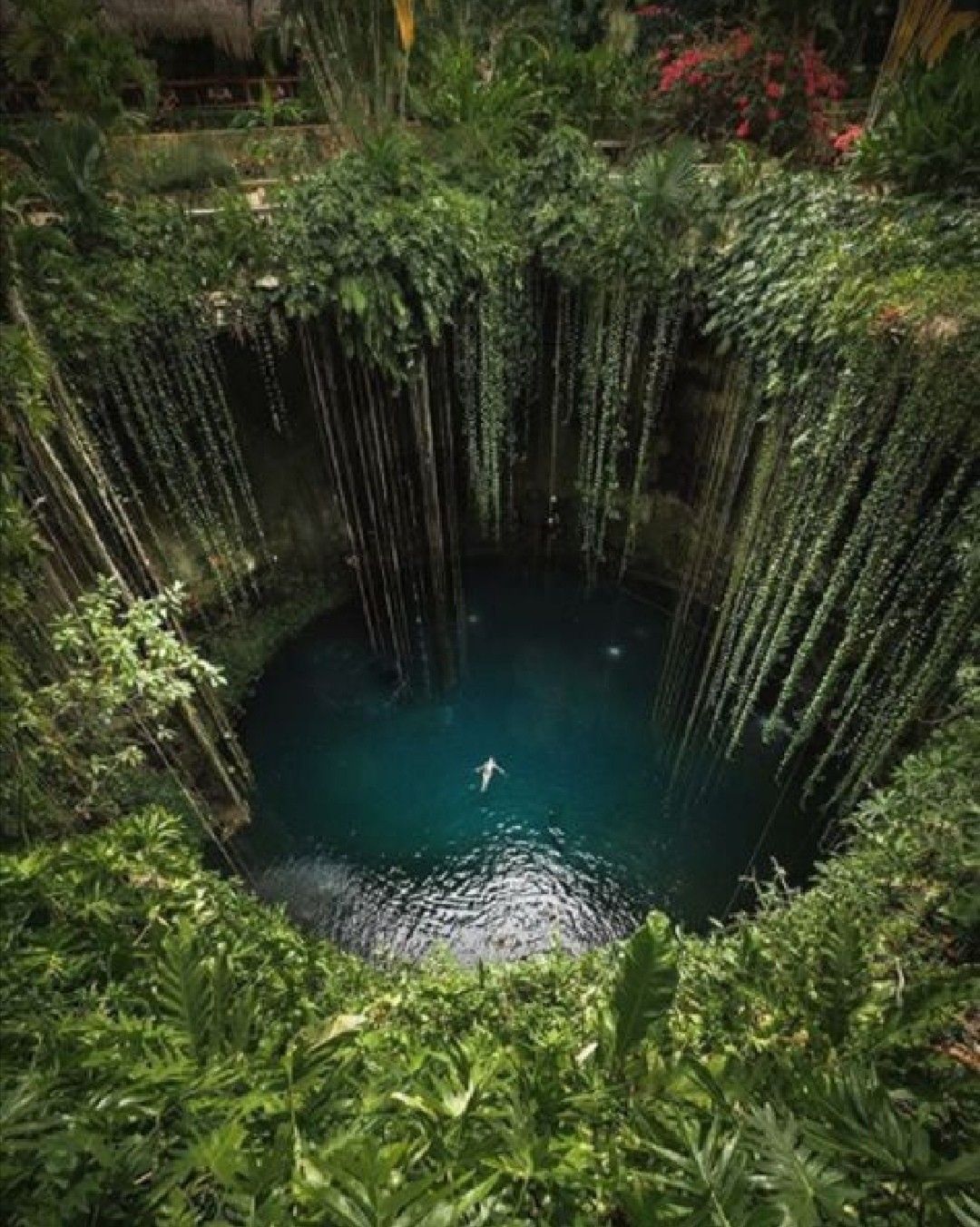
- Across Mexico's Yucatán Peninsula, over 6,000 cenotes (natural sinkholes filled with crystal-clear freshwater) puncture the limestone bedrock like windows into a vast underground river system.
- The word "cenote" derives from Mayan "dzonot" (sacred well)—the Maya considered them portals to Xibalba (the underworld) and used them for ceremonies including offerings and human sacrifices.
- Geologically, cenotes formed over millions of years as slightly acidic rainwater dissolved the porous limestone, creating caves that eventually collapsed, exposing groundwater below.
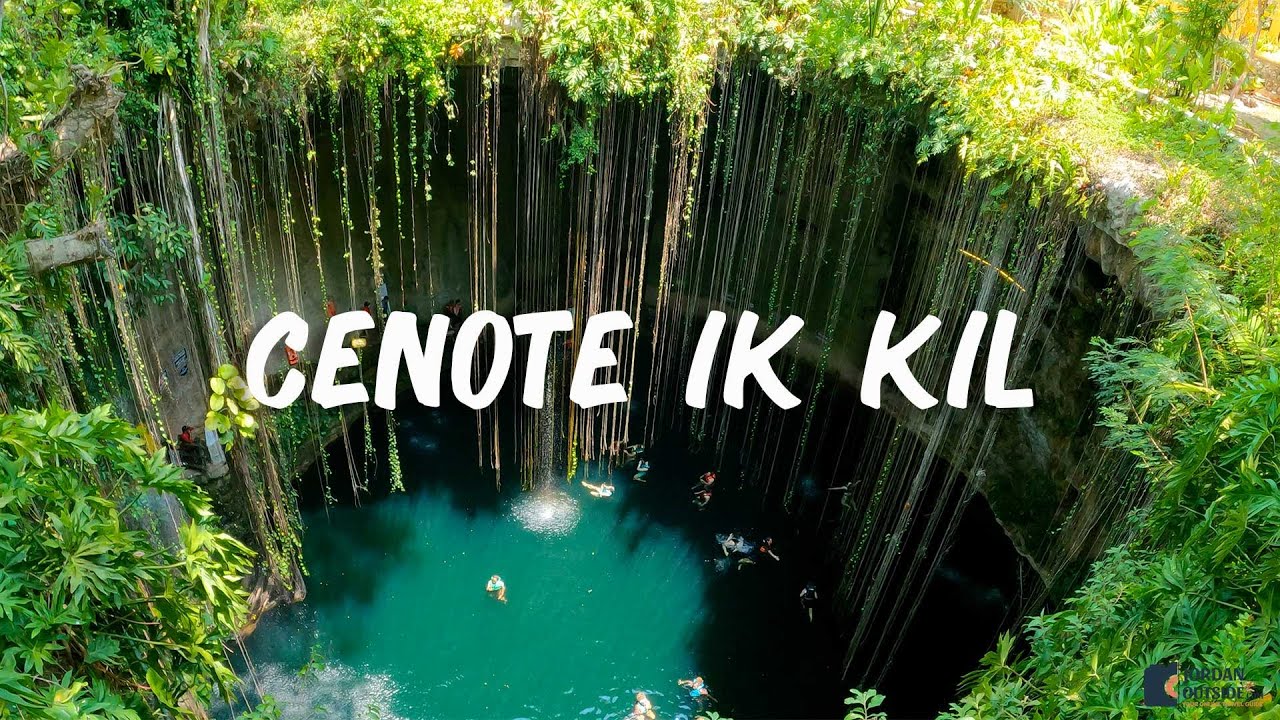
- The cenotes vary dramatically: Open cenotes (Gran Cenote, Ik Kil) resemble large pools surrounded by cliff walls, with tropical vegetation overhanging crystal waters; Semi-open cenotes (Cenote Azul, Suytun) feature partial cave ceilings with light beams penetrating through openings; Cave cenotes (Dos Ojos, Sac Actun) exist entirely underground requiring cave diving certification to explore fully.
- The water temperature remains constant 24-26°C year-round, visibility exceeds 50 meters in many cenotes, and the surreal blue coloration results from minerals and light refraction.
- Some cenotes connect to the world's longest underground river system (Sac Actun, 347km mapped)—divers have explored these subterranean passages decorated with stalactites, stalagmites, and formations found nowhere on Earth's surface.
- The cenotes host unique blind fish and crustaceans evolved in eternal darkness.
- The experience of swimming in cenotes transcends typical swimming—floating in cathedral-like spaces where light beams pierce clear water, diving through ancient caves where Maya priests once performed rituals, and exploring ecosystems invisible from the surface.
- The Riviera Maya (Cancún-Tulum corridor) contains hundreds of accessible cenotes, from tourist-developed sites with restaurants and facilities (Ik Kil near Chichén Itzá) to hidden jungle cenotes accessible via rough roads.
- The cultural significance persists—some local Mayans still perform ceremonies at specific cenotes, and archaeologists continue discovering ritual offerings (pottery, jade, human remains) in cenote depths.
Watch it
Who Visits
- Swimmers/snorkelers (40%), divers (30%), photographers (20%), cultural tourists (10%).
- Demographics 20-60, with strong American, Canadian, European, and domestic Mexican tourism.
- The Riviera Maya receives 15+ million annual visitors, with significant percentage visiting at least one cenote.
- Peak season December-April (dry, cooler 24-28°C); summer (May-October) brings heat/humidity and tropical storms but fewer crowds and lower prices.
How to Get There
- Easy to Moderate depending on cenote.
- Major cenotes near Playa del Carmen, Tulum, and Valladolid are easily accessed: rent a car ($30-50/day), take colectivos (shared vans, $2-5), or join organized tours ($40-80 including multiple cenotes, lunch, guide).
- Well-known cenotes (Gran Cenote, Cenote Azul, Ik Kil, Dos Ojos) have paved access roads, parking ($3-5), entry fees ($5-15), changing facilities, restrooms, equipment rental (snorkel gear, life jackets, lockers).
- Remote cenotes require 4WD or willingness to walk dirt paths through jungle.
- Mobile coverage good near major towns, spotty in remote areas.
- Medical facilities in Playa del Carmen and Tulum; basic clinics in smaller towns.
- English spoken at tourist cenotes; Spanish essential for off-beaten-path locations.
- Most cenotes require life jackets (provided or mandated to wear), prohibit sunscreen/chemicals (protecting water quality—use biodegradable alternatives), and restrict diving to certified divers with proper equipment.
Best Time to Visit
- Swimmers, snorkelers, certified divers, photographers, families with children 6+ (supervised in shallow cenotes), couples, adventure travelers, cultural enthusiasts.
- Appropriate for all ages with swimming ability—life jackets provided for weak swimmers.
- Not ideal for: non-swimmers (though many cenotes have shallow areas), those with claustrophobia (cave cenotes), individuals requiring high accessibility (most cenotes involve stairs, swimming).
Risk & Safety
- MODERATE for swimming/snorkeling; HIGH for cave diving.
- Swimming risks: Water depth in cenotes often exceeds 10-50+ meters—life jackets recommended for weak swimmers.
- Cold shock—water temperature (24-26°C) can cause initial shock to body temperature regulation (mild risk).
- Slippery surfaces—limestone edges and stairs become very slippery when wet; falls are most common injury.
- Jumping—some cenotes permit cliff jumping (5-10m heights); injuries occur from improper form or hitting submerged objects.
- Wildlife—cenotes host freshwater eels, catfish (non-aggressive), bats in cave sections (harmless but startling).
- Water quality—most cenotes pristine, but some near development show pollution; check current conditions.
- Cave diving risks: Extreme danger without proper training—multiple diver deaths occur annually in Yucatán cave systems from inadequate training, equipment failure, panic, getting lost.
- Only dive with reputable operators (ProTec, Xibalba, Under the Jungle) and never exceed your certification level.
- Cave diving is technical diving requiring specialized skills—not for vacation adventuring without proper credentials.
- Generally safe for families with children 6+ at open cenotes with shallow areas and life jackets.
- Not recommended for: very young children (water depth, supervision challenges), elderly with mobility limitations (stairs, slippery surfaces), anyone uncomfortable in deep water.
Pictures (4)
Unique Experiences
- Gran Cenote Snorkeling and Turtle Watching: Located 4km from Tulum, Gran Cenote is among the most accessible and beautiful—a semi-open cenote with crystal-clear water (visibility 30+ meters), underwater caves easily visible from surface, stalactites in shallow cavern sections, and wild freshwater turtles that glide past snorkelers. Entry fee $500 MXN ($25), includes snorkel gear. The experience: descend wooden stairs into the cenote, wade into water (temperature feels cool initially at 24°C but comfortable within minutes), don mask and snorkel, then float above underwater wonderland—sunlight penetrates creating dramatic light beams (best 10am-1pm when sun is high), limestone formations glow white against blue, turtles emerge from darkness grazing on algae. The turtles—Mesoamerican sliders and white-lipped mud turtles—are accustomed to humans, often approaching within arm's reach (look but don't touch). Cave sections accessible to snorkelers (with guide or confidence) extend 20-30 meters into darkness—bring underwater flashlight or waterproof phone light. Visit early (opening 8am) for fewer crowds; by 11am, 200+ people fill the cenote.
- Cave Diving in Dos Ojos System: For certified cave divers, Dos Ojos ("Two Eyes"—named for two main cenote openings) offers world-class cave diving. The system extends 82km of mapped passages—stalactites, stalagmites, haloclines (where fresh and salt water meet creating blurred visual effect), and the famous Bat Cave (massive air-filled chamber 300m into the system where thousands of bats roost). Dive operators (Cenote Dive Center, ProTec, $120-180 for two-tank cave dive) provide equipment, guide, and safety briefing. Requirements: Open Water certification minimum for cavern zones (within light penetration); Full Cave certification for deep penetration. The dives traverse passages 5-20m depth through formations millions of years old. The sensation of being suspended in perfectly clear water surrounded by ancient geological art, knowing you're floating where no surface light ever reaches, creates profound experiences. The halocline effect—swimming through the border between fresh and saltwater creates blurred, dreamlike visuals. Cave diving is inherently dangerous—proper training and equipment are life-or-death necessities.
- Cenote Suytun Photography Experience: This semi-covered cenote near Valladolid became Instagram-famous for its iconic image: a central limestone platform surrounded by water with a skylight overhead casting a single beam of light straight down. Entry $200 MXN ($10), photography platform access $50 MXN extra. The platform—reached by descending 15 meters underground via stairs, then crossing water on stepping stones—allows standing in the light beam for ethereal photos. The combination of darkness surrounding you, the illuminated blue water, and the natural skylight creates mystical atmosphere. Best time: 11am-1pm when sun is directly overhead (beam effect maximizes). Lines form (30-60 minute wait peak season) for platform access—each visitor gets 2-3 minutes for photos. Bring tripod for light beam long exposures (water reflection motion creates artistic effect). The cenote also offers swimming areas away from the platform—after your photo session, explore the cenote's depths.
- Mayan Ceremony Participation at Sacred Cenote: Some cenotes still host authentic Mayan spiritual ceremonies. Cenote Xlacah in Dzibilchaltún archaeological site, or remote cenotes accessed through cultural tourism operators (Mayan Eco-tours, $80-120), allow participating in or observing cleansing ceremonies. Mayan shamans (h-men) perform rituals involving copal incense, prayers in Yucatec Maya language, offerings to water spirits, and ritual purification. Participants may be blessed, have tobacco smoke blown over them, or given herbal drinks. The ceremonies reconnect cenotes to their sacred function beyond tourist swimming holes. Respect and appropriate behavior essential—these are living spiritual practices, not performances. Photography may be restricted. The experience provides profound cultural depth unavailable at commercial cenotes.
- Multi-Cenote Bike Tour: Several operators offer full-day bike tours ($70-100) visiting 3-4 cenotes near Tulum via jungle bike paths and back roads—a combination of cycling (moderate distance 20-30km total, flat terrain), swimming in different cenote types, Mayan lunch at local family home, and exploration. The variety showcases cenote diversity: open, semi-open, cave types, each with distinct character. The bike riding through jungle between cenotes adds adventure. Small group sizes (8-12) create community atmosphere. The local family meal typically includes handmade tortillas, salbutes (fried tortillas with toppings), poc chuc (grilled pork), and fresh fruit—cultural exchange alongside natural experiences.