Philippines
Banaue Rice Terraces
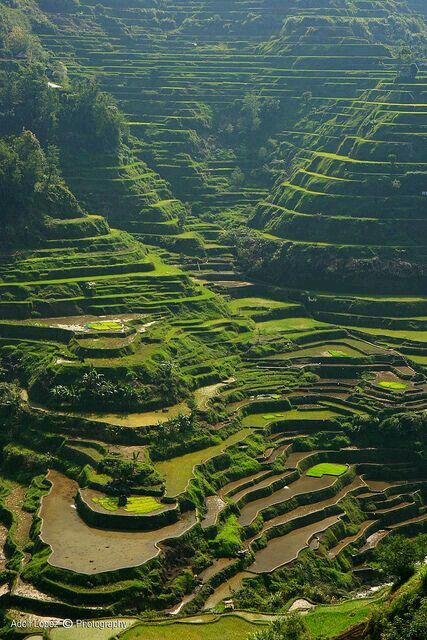
- In the Cordillera Mountains of northern Luzon, Philippines, the Banaue Rice Terraces rise 1,000-1,500 meters above sea level across steep mountain slopes—ancient amphitheaters of agriculture carved by the Ifugao people over 2,000+ years.
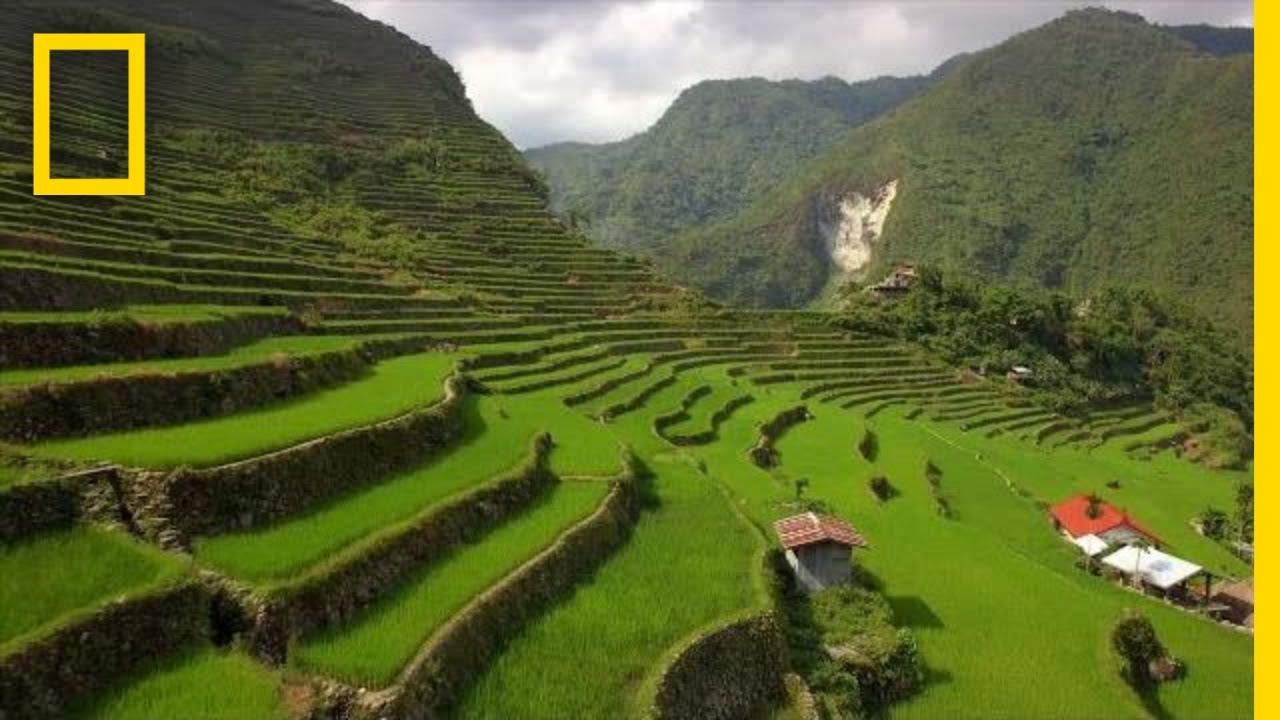
- Often called the "Eighth Wonder of the World," these hand-carved terraces follow mountain contours for thousands of hectares, creating horizontal green steps from valley floors to cloud-covered peaks.
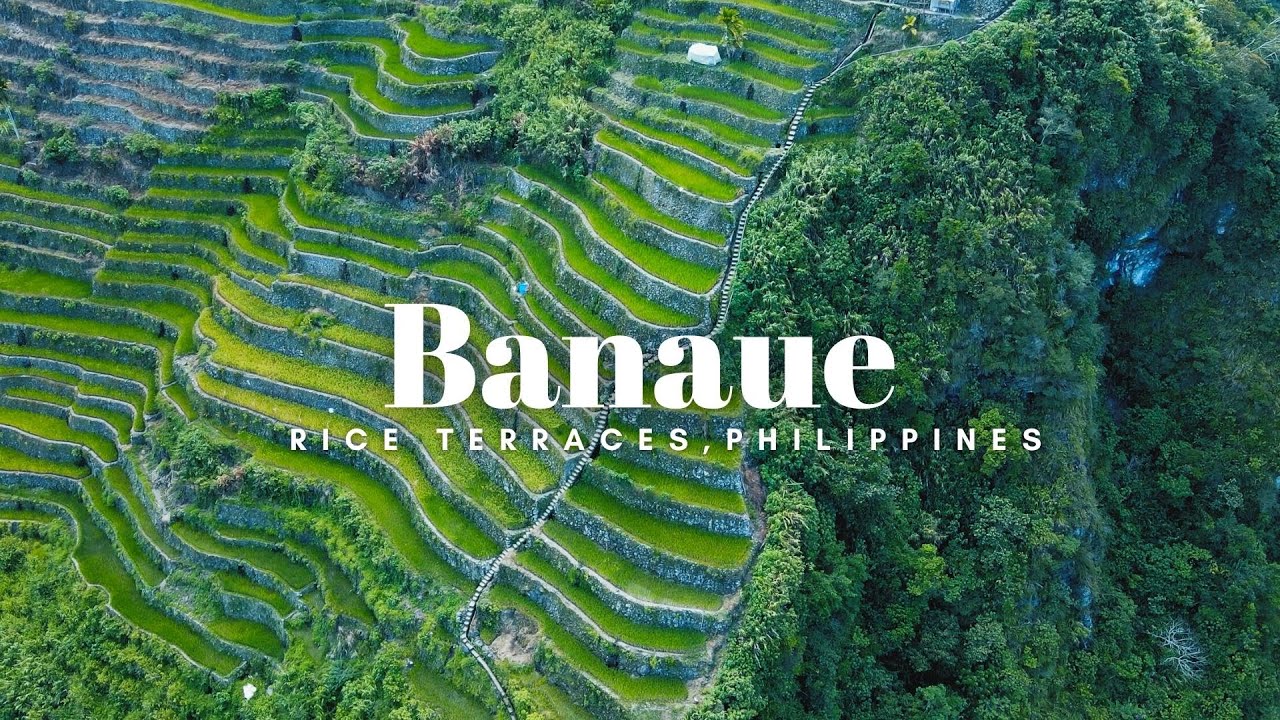
- The engineering achievement staggers: using only primitive tools, the Ifugao ancestors sculpted mountainsides, constructed stone retaining walls, and developed irrigation systems channeling water from rainforests above through bamboo pipes to flood each terrace.
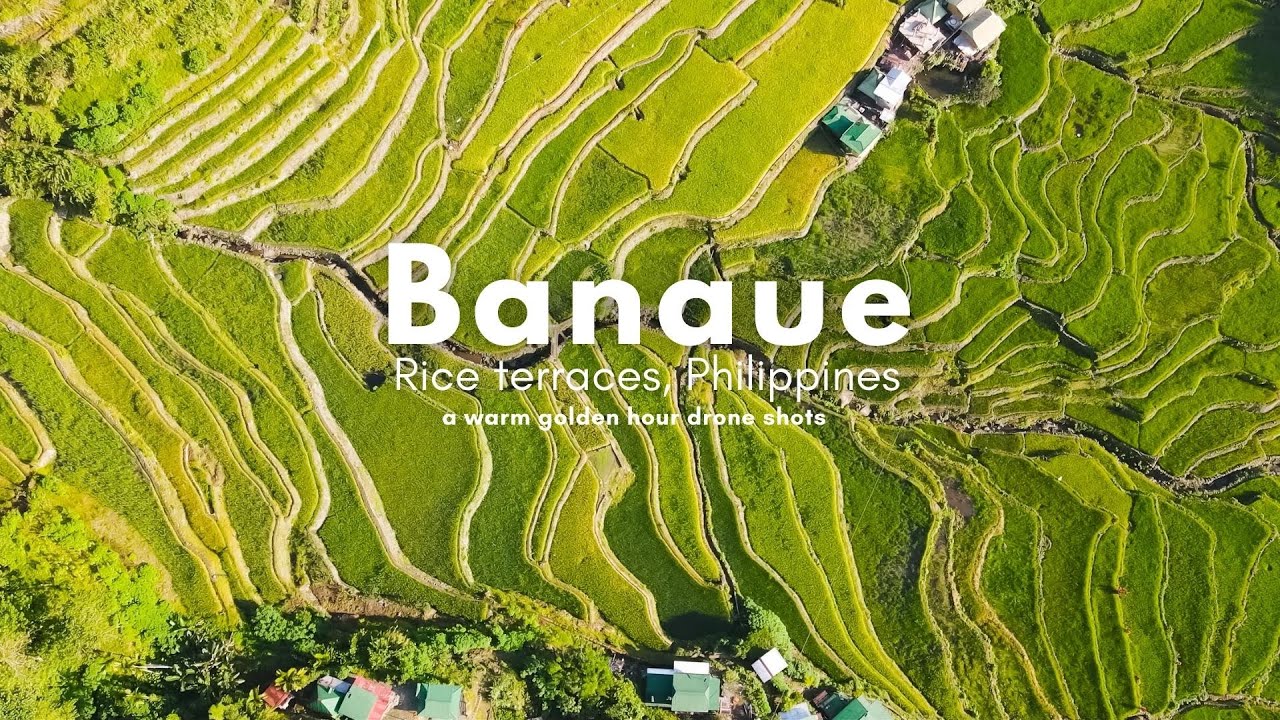
- The system continues functioning today—rice is planted once annually, terraces flood to mirror-like surfaces reflecting sky, seedlings grow into vibrant green carpets, and harvest transforms them to gold, then brown stubble before the cycle repeats.
- The terraces vary by altitude and rice variety—some produce traditional Ifugao heirloom rice (tinawon), others commercial varieties.
- Beyond Banaue town's viewpoints, the most spectacular terraces extend to surrounding villages: Batad amphitheater (UNESCO World Heritage site)—a natural bowl completely lined with terraces, accessible only by trekking; Bangaan village perched on terrace edges; Hapao with both rice terraces and ancient forest.
- The Ifugao culture remains distinct—indigenous language spoken, traditional wood houses with steep thatched roofs, animist spiritual practices (despite Christian conversion), and social structures centered on rice cultivation rhythms.
- The terraces face threats: younger generations migrate to cities for opportunities, abandoning difficult terrace maintenance; tourism provides income but also pressure; climate change affects water availability.
- UNESCO recognition (1995) for several terrace clusters brought conservation resources but also concerns about cultural commodification.
- The landscape beauty peaks at different times: planting season (April-May) creates water-mirror effects; growing season (June-August) shows lush green; harvest (September-October) brings golden terraces; post-harvest (November-March) reveals terrace architecture clearly but less color.
Watch it
Who Visits
- Cultural tourists (40%), hikers/trekkers (35%), photographers (20%), anthropology enthusiasts (5%).
- Demographics 25-60, with strong European (German, Dutch, French) backpacker culture, Australian adventure travelers, domestic Filipino tourists, and increasing Asian visitors.
- Annual visitors approximately 150,000, concentrated November-May (dry season).
- The area remains relatively undeveloped tourism-wise—budget accommodations dominate, limited luxury options.
How to Get There
- Difficult.
- From Manila, overnight bus (8-9 hours, ₱450-550/$8-10, departures evening, arrivals early morning) travels mountain roads to Banaue town.
- Alternatively, fly Manila to Cauayan (1 hour, $40-80), then van to Banaue (3 hours).
- Banaue town offers basic tourist infrastructure—guesthouses (₱300-800/$5-15/night), local restaurants, small shops, guide services.
- From Banaue, reaching the spectacular terraces requires jeepney rides on rough mountain roads (₱50-100/$1-2 per person one-way to trailheads), then trekking.
- Batad (most photographed) requires 1-hour jeepney to saddle point, then 45-minute steep descent (returning = tough 1.5-hour climb); Bangaan 30-minute jeepney then 30-minute walk; Hapao 30-minute jeepney, minimal walking.
- No ATMs in Banaue—bring sufficient cash from larger cities.
- Mobile coverage sporadic—Smart network works better than Globe.
- Medical clinic in Banaue (basic); serious cases require evacuation to Baguio (6 hours).
- English spoken by guides and tourism operators; Ifugao and Tagalog are local languages.
- The mountain roads are vertiginous—prone to landslides in heavy rain, fog reduces visibility, hairpin turns constant.
- Rainy season (June-October) makes access challenging.
Best Time to Visit
- Cultural travelers, photographers (essential Philippines destination), hikers/trekkers seeking both challenge and beauty, anthropology enthusiasts, adventure travelers comfortable with basic conditions, budget travelers.
- Appropriate for physically fit individuals 15-60.
- Not ideal for: luxury travelers (accommodations basic), young children (difficult trekking, basic facilities), elderly with mobility limitations (steep trails, primitive conditions), travelers requiring modern amenities.
Risk & Safety
- MODERATE-HIGH.
- Trekking hazards: Steep trails become extremely slippery when wet—falls common, usually resulting in scrapes/bruises but occasionally broken bones.
- Terrace walls are narrow (30-50cm wide) with drops to next level—balance required, walking stick essential.
- Physical demands—the climbs (especially returning from Batad) are extremely steep and exhausting; heat (28-32°C), humidity, and altitude (1,500m) intensify effort; heart attacks have occurred in unfit, older visitors attempting Batad climb.
- Leeches—common in wet season in terraces and forests; harmless but unpleasant; salt or tobacco juice removes them.
- Waterborne illness—local water not potable; stick to bottled or boiled water; sanitation standards in villages basic.
- Landslides—mountain roads prone to slides during heavy rain; delays of hours-to-days can occur.
- Getting lost—trails unmarked in sections; hire local guides (₱500-1,000/$9-18 per day) for navigation and cultural interpretation.
- Generally appropriate for families with teens 14+ in good fitness; not recommended for children under 12 (physical demands, trail exposure, basic facilities) or seniors with heart/joint issues (extreme climbs, primitive conditions).
- The Batad descent-ascent is genuinely physically demanding—honestly assess fitness before attempting.
Pictures (8)
Unique Experiences
- Batad Amphitheater Trek and Village Homestay: The pinnacle Banaue experience involves trekking to Batad—a near-perfect amphitheater of terraces encircling a natural valley. Take morning jeepney (8am departure typical, ₱100/$1.80 per person) to the saddle point viewpoint where the amphitheater first becomes visible—the iconic vista that appears in all photos, 360-degree terraces rising in impossibly precise horizontal lines. Descend the steep trail (1 hour, requires fitness, stone steps in sections, muddy when wet, walking stick recommended) into the village. Stay overnight in family homestays (₱200-300/$3.50-5.50 per person including basic dinner and breakfast)—simple bamboo/wood houses with thin mattresses on floors, shared squat toilets, cold-water bucket baths, but genuine hospitality. Evening brings rice-based meals (rice, vegetables, occasionally chicken, always rice), conversation with families about terrace farming challenges, and profound silence under stars. Morning, hike to Tappiya Falls (1-hour descent through terraces and jungle, swimming pool at base, 1.5-hour return climb) or simply explore terraces, watching farmers work—planting involves standing in knee-deep water bending to insert seedlings, repetitive backbreaking labor for hours. The homestay experience transforms tourism into cultural exchange—understand the work sustaining these "wonders," the economic challenges facing communities, and the individuals maintaining traditions. Book through Banaue guesthouses or directly with Batad tourism organization.
- Sunrise Terrace Photography from Multiple Vantage Points: The magic hour illumination transforms terraces from impressive to transcendent. Batad viewpoint: Arrive at saddle point for 5:30-6am sunrise—the first light catches terrace walls creating shadowed relief, mist rises from valleys, and the amphitheater glows. Banaue viewpoint (Sunrise Viewpoint near town): Easier access, terraces extend to horizons, sunrise ignites multiple valley systems. Bangaan: Sunrise backlights the village houses perched improbably on terrace edges. Bring tripod for long exposures smoothing water-filled terraces into mirrors; shoot multiple exposures for HDR (high dynamic range captures shadow and highlight detail). The shifting light—pre-dawn blue, sunrise gold, post-sunrise clarity—provides varied moods. Cloud formations add drama or obscure views—weather unpredictability is constant challenge/opportunity.
- Traditional Ifugao Cultural Performance: Some villages (Banaue Tourism Center, certain homestays) arrange cultural demonstrations featuring traditional Ifugao practices: Rice wine (baya) making—fermented rice wine central to ceremonies and hospitality; Weaving demonstrations—backstrap loom techniques creating intricate patterns; Traditional dance performances—the gangsa (gong) dance where men rhythmically strike brass gongs while women perform coordinated movements; Woodcarving—bulul (rice god statues) carving demonstrations. These performances walk the line between authentic cultural preservation and tourist commodification—ideally, choose community-organized events where proceeds support cultural maintenance rather than staged shows. Learning about the complex animist belief system (involving rice gods, ancestral spirits, elaborate rituals) adds depth beyond terrace aesthetics.
- Guided Terrace Working Day: Some tourism initiatives allow visitors to participate in actual terrace work—planting, weeding, harvesting depending on season (book through Banaue hotels/guides, ₱500-1,000/$9-18 per person). Spend a morning with Ifugao families in their terraces: wade into water-filled paddies (barefoot, water to knees), learn proper rice seedling planting technique (specific depth, spacing, angle), understand irrigation maintenance, and experience the physical demands. The backbreaking labor, hot sun, leeches (sometimes), and repetitive motion give profound appreciation for the work invisible behind beautiful photographs. Families enjoy the cultural exchange and financial support. This activity requires fitness, willingness to get muddy, and respect for the work being learned.
- Multi-Day Terrace-to-Terrace Trekking: For serious trekkers, multi-day expeditions (3-5 days, $80-150 per day with guide, all meals, homestays) connect villages through ancient terrace paths and mountain trails. Trek Banaue to Batad to Bangaan to Mayoyao, staying in different villages nightly, crossing mountain passes (2,000m+ elevations), walking along terrace walls (narrow, require balance), and penetrating pine forests between valleys. The routes follow paths used for generations by Ifugao for inter-village trade and social connections. The immersion is complete—multiple terraced valleys, varied landscapes, different village characters, and physical challenge. Guide knowledge is essential—trails unmarked, route-finding complex, cultural mediation important. April-May optimal (post-harvest, clearer weather, planting season beginning).