Japan
Arashiyama Bamboo Grove, Kyoto
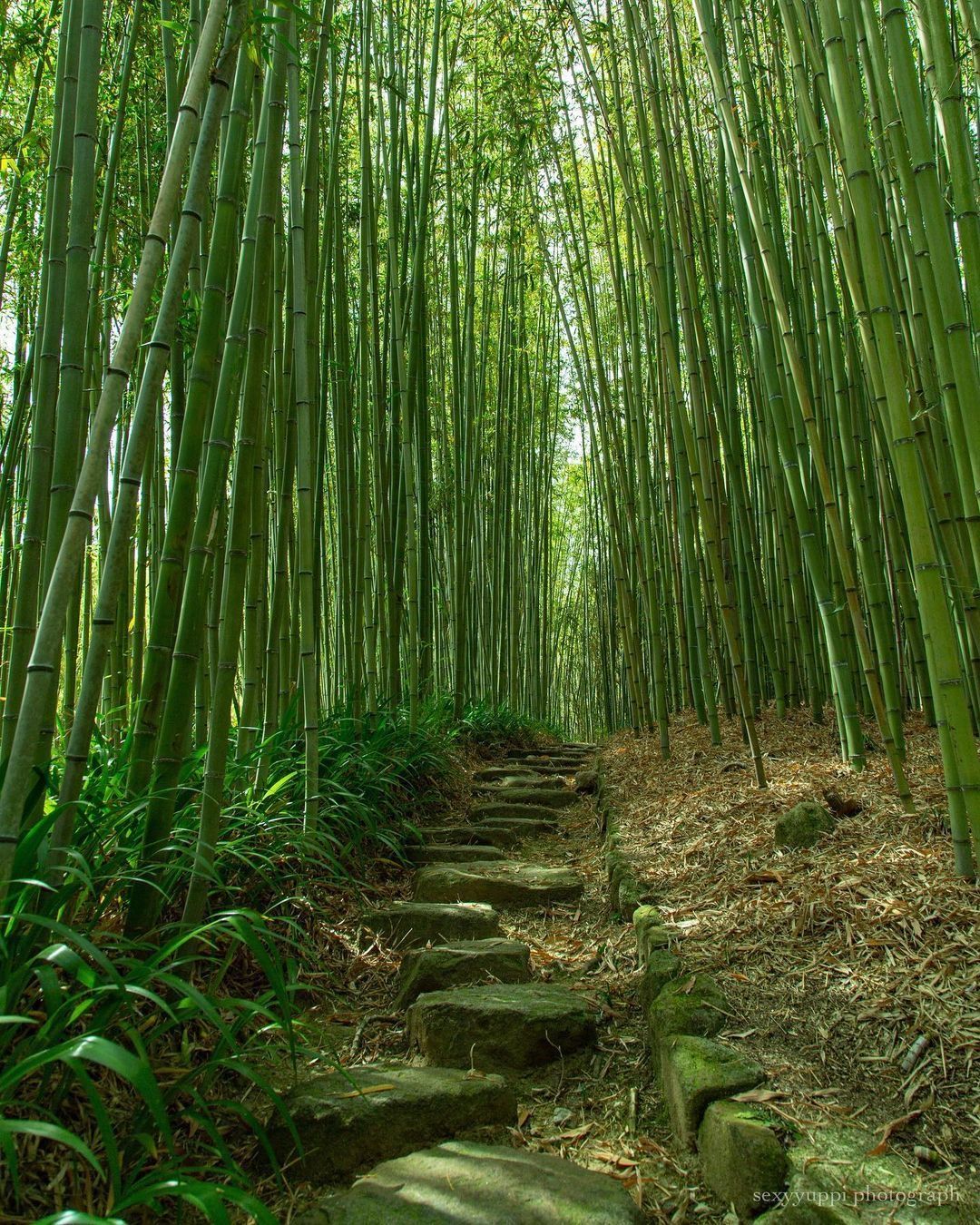
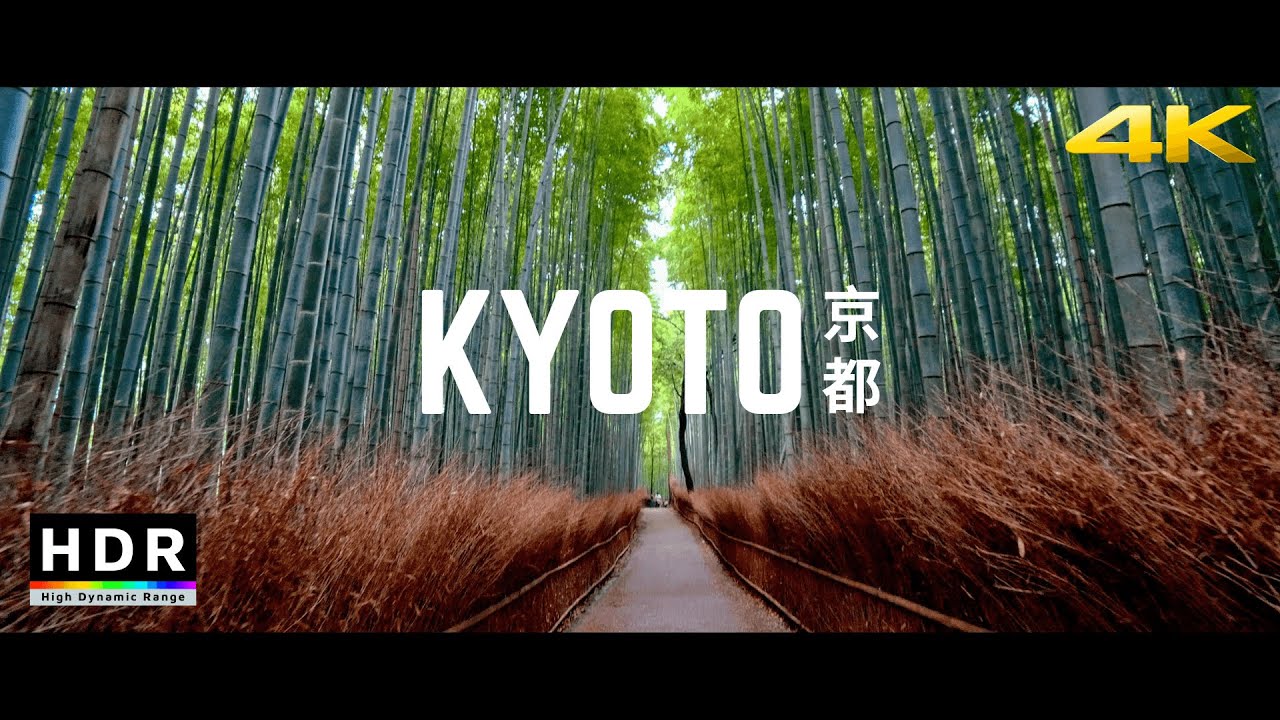
- On the western outskirts of Kyoto, the Arashiyama district's bamboo grove comprises thousands of towering Moso bamboo culms (trunks) reaching 10-15 meters height, creating a dense forest corridor where light filters green-gold through the canopy and wind rustles the stalks in haunting, creaking symphony.
- The grove, formally called Sagano Bamboo Forest, stretches along a 500-meter pathway connecting Tenryū-ji Temple (UNESCO World Heritage Zen Buddhist temple with gardens ranked among Japan's finest) to Okōchi Sansō Villa (former home of silent film actor Okōchi Denjirō, now a garden museum).
- The bamboo density blocks peripheral views, focusing attention upward and forward through the perfectly vertical green cathedral.
- The bamboo grove tradition in Arashiyama dates to the Heian Period (794-1185) when nobility built villas in the area; bamboo provided versatile construction material and aesthetic beauty.
- The pathway itself—compact gravel bordered by low bamboo fencing—receives 3-5 million annual visitors, making it Kyoto's second-most visited attraction after Fushimi Inari.
- The surrounding Arashiyama area offers comprehensive traditional Japanese experiences: the iconic Togetsukyō Bridge spanning the Hozu River (cherry blossoms in spring, maple foliage in autumn), cormorant fishing demonstrations (summer evenings), monkey park on Arashiyama mountainside, traditional tofu restaurants, and kimono rental shops.
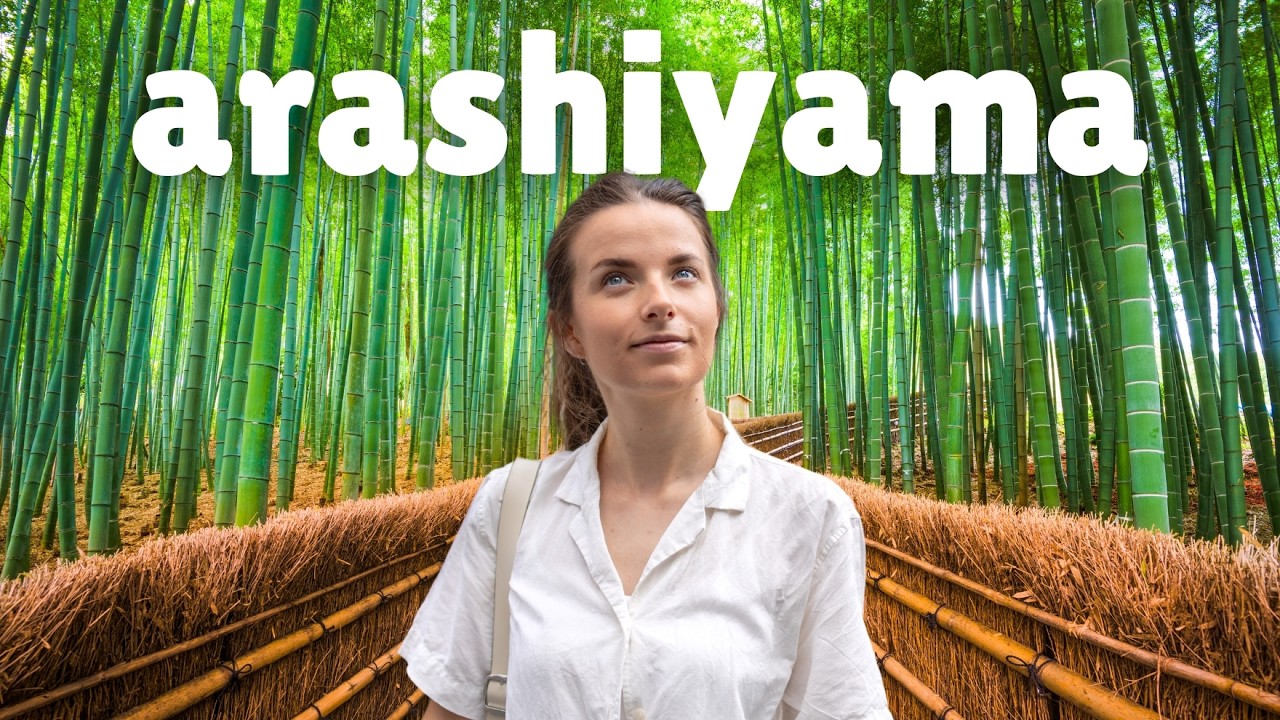
- The bamboo grove's fame exploded internationally through social media—millions of Instagram posts showcase the ethereal green tunnel, often with kimono-clad models adding cultural context.
- The reality of peak-hour crowds (hundreds filling the narrow pathway simultaneously) contrasts sharply with serene photos, yet early morning or evening visits can still capture tranquility.
- The Japan Tourism Agency designated the sound of wind through bamboo as one of the "100 Soundscapes of Japan"—a recognition of the grove's auditory beauty alongside visual splendor.
- The grove exemplifies Japanese aesthetic principle of "ma" (negative space)—the vertical bamboo lines create rhythm and the enclosed space focuses contemplation.
Watch it
Who Visits
- International tourists (60%), Japanese domestic tourists (25%), photographers (10%), cultural enthusiasts (5%).
- Demographics extremely diverse—all ages, couples, families, tour groups.
- Strong presence of Chinese, American, European, Southeast Asian visitors.
- Kyoto receives 50+ million annual visitors, with significant percentage visiting Arashiyama.
- Peak seasons: cherry blossom (early April), autumn colors (mid-November), summer vacation (July-August).
- Winter (December-February) sees fewer crowds and occasional snow creating magical atmosphere.
How to Get There
- Easy.
- From Kyoto Station, take JR Sagano Line to Saga-Arashiyama Station (15 minutes, ¥240/$1.60), or Keifuku Arashiyama Line tram to Arashiyama Station (nostalgic local train, 25 minutes, ¥220).
- Alternatively, take Hankyu Railway to Arashiyama Station (25 minutes, ¥230).
- From any station, the bamboo grove is 10-15 minute walk through Arashiyama's shopping streets.
- The area is highly tourist-developed—English signage, numerous restaurants (traditional kaiseki, tofu specialties, street food), souvenir shops, mobile coverage excellent, public toilets abundant.
- The grove pathway is free, open 24/7 (though lighting only dawn-dusk).
- Nearby attractions charge entry: Tenryū-ji Temple (¥500 garden, ¥300 temple buildings), Okōchi Sansō Villa (¥1,000 includes matcha tea and sweet).
- The area is fully accessible—flat paved paths, though crowds during peak times challenge wheelchair navigation.
- Medical facilities in central Kyoto (15-20 minutes).
- English widely spoken.
Best Time to Visit
- All visitors to Kyoto (essential stop), photographers, couples (romantic atmosphere), families with children (engaging for kids, manageable walking), elderly (accessible, short distances), cultural enthusiasts, first-time Japan visitors.
- The most accessible traditional Japanese experience in Kyoto—no specialized knowledge required, simple to visit, visually stunning.
Risk & Safety
- VERY LOW.
- Extremely safe area.
- Primary concern: crowds—peak times see crushing density on the narrow pathway; claustrophobic individuals may feel uncomfortable; patience required.
- Petty theft potential—as with any tourist-heavy area, watch belongings (very rare but possible).
- Weather—summer heat/humidity (32-35°C, 80%+ humidity July-August) causes exhaustion; winter cold (0-8°C) requires warm layers; rain makes paths slippery (bamboo leaves create slip hazard).
- Cyclists occasionally use the pathway despite discouragement—watch for bikes.
- Perfect for families with young children—safe, engaging, short walking distances, abundant facilities.
- Fully appropriate for elderly and mobility-limited—flat, paved pathway, wheelchair accessible (though crowds during peak times may challenge navigation).
- No significant safety concerns—one of Japan's safest tourist attractions.
- The area's main challenge is managing expectations versus reality regarding crowds—come at off-peak times or embrace the bustling energy as part of contemporary Japan's tourism reality.
Pictures (7)
Unique Experiences
- Dawn Visit for Solitude (6-7:30am): The grove's magic multiplies when experienced without throngs. Arrive at sunrise when the grove opens to public (technically 24-hour access, but darkness limits practical pre-dawn visits)—winter 6:30-7am, summer 5-5:30am. Walk the 500-meter pathway in near-solitude with only occasional early-rising tourists and monks from Tenryū-ji. The morning light filtering through bamboo creates soft green glow; birds sing; wind rustles stalks creating that famous soundscape. The temperature is cool; morning dew dampens the gravel. This transforms the experience from tourist attraction to contemplative encounter with nature and Japanese aesthetics. Photograph without crowds obstructing—capture clean shots of the endless bamboo tunnel. The trade-off: 6am wake-up and early commute, but rewards justify the effort. By 8:30-9am, tour groups arrive and intimacy vanishes.
- Rickshaw Ride Through Arashiyama (Jinrikisha): Traditional two-wheeled, human-pulled rickshaws (jinrikisha) operated by companies like Ebisuya offer 30-60 minute tours (¥5,000-10,000/$35-70 per rickshaw, seats 2) through Arashiyama including the bamboo grove. The drivers—often young, fit men in traditional costume—provide historical commentary (English available) while jogging/walking the routes. The elevated seating provides superior views over crowds and photo opportunities. The experience feels authentically Japanese (rickshaws originated in Japan 1860s) while adding comfort to sightseeing. Rickshaws access all paths including bamboo grove, navigating crowds expertly. The drivers double as photographers—stopping at scenic spots, taking couple/family photos with personal cameras/phones. Book at stands near Togetsukyō Bridge or reserve online.
- Tenryū-ji Temple Garden Contemplation: Before or after the bamboo grove, enter Tenryū-ji Temple complex—one of Kyoto's five great Zen temples and UNESCO World Heritage site. The Sōgen Pond garden (designed 14th century by priest Musō Soseki) exemplifies Zen landscape principles: borrowed scenery (shakkei) incorporating Arashiyama mountains as backdrop, pond representing ocean, stones suggesting mountains and islands, carefully pruned pines creating miniaturized nature. Sit on the temple veranda overlooking the pond—the design invites contemplative meditation. The garden transforms seasonally: spring cherry blossoms, summer greenery, autumn maples (spectacular crimson November), winter snow. The temple buildings house painted sliding doors (fusuma) by renowned artists. Entry includes access to bamboo grove via temple rear exit—a quieter approach than the main pathway. Visit early morning (8:30-9:30am opening depending on season) for tranquility.
- Kimono Rental and Photoshoot: Dozens of kimono rental shops in Arashiyama (¥3,000-6,000/$20-40 for full day) outfit visitors in traditional Japanese garments—women's kimono with obi (sash), men's kimono or hakama (pleated trousers). Staff help dress you (kimono wearing requires expertise), style hair (simple updo), and provide accessories (bag, traditional shoes). Stroll Arashiyama in kimono—the bamboo grove, Togetsukyō Bridge, temple grounds—for Instagram-worthy photos. Many kimono-wearers are international tourists (highly acceptable), though some are Japanese celebrating special occasions. The experience feels festive, cultural, and photogenic. Professional photographers offer services (¥10,000-30,000/$70-210) for curated shoots in prime locations. Return kimono by 5-6pm. Summer kimono (lighter fabric) available for warm months; winter kimono with layers for cold. This transforms sightseeing into immersive cultural participation.
- Sagano Romantic Train Scenic Railway: From spring through autumn, the Sagano Romantic Train (Torokko train) operates on the old JR Sagano Line tracks along the Hozu River gorge—25-minute journey through mountains displaying seasonal beauty: cherry blossoms (April), lush green (May-August), autumn colors (November). The open-air cars (one fully exposed to elements) allow unobstructed views and fresh air. The nostalgic train travels slowly, stopping at scenic overlooks. Combined with river rafting down Hozu River (2-hour journey in traditional flat-bottomed boats, ¥4,100/$28, March-November), this creates full-day Arashiyama outdoor adventure. Book train tickets in advance (especially autumn season, ¥880/$6, sells out weeks ahead)—online booking available.