USA
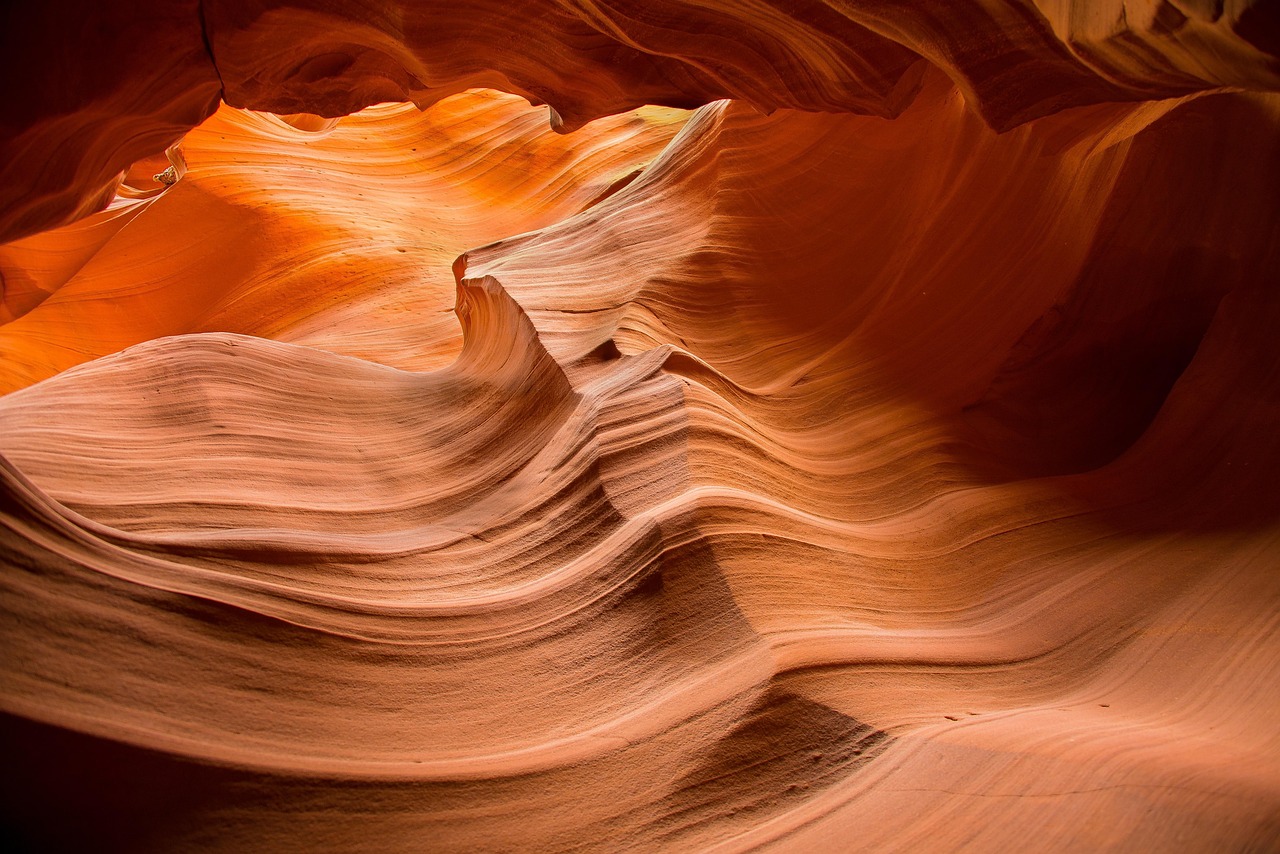
Antelope Canyon, Arizona
- Across 104 square kilometers of arid plains in Myanmar's Mandalay Region, over 2,200 Buddhist temples, pagodas, and monasteries survive from an original 10,000+ structures built during the Bagan Kingdom's golden age (11th-13th centuries CE).
- This represents the world's greatest concentration of Buddhist architecture—terracotta brick stupas in every size from intimate shrines to massive complexes rise from flat landscape dotted with palm trees, creating a surreal, sacred cityscape visible for miles.
- The Irrawaddy River curves along the western edge, providing life-giving water and transportation that made Bagan a wealthy trading empire.
- The architectural styles evolved over centuries: early Mon-influenced designs gave way to distinctly Burmese forms featuring receding terraces, ornate stucco work, and interior murals depicting Jataka tales (Buddha's past lives).
- Many temples contain ancient frescoes—faded but still visible paintings covering walls and ceilings in ochre, blue, and green pigments.
- The scale astounds: Ananda Temple's 55-meter gold-leafed spire dominates the northern plain; Dhammayangyi Temple's massive pyramid form (built 1170s) remains Bagan's largest; Shwesandaw Pagoda's five terraces once offered sunset views (now closed for climbing to protect structures).
- The 2016 earthquake damaged many temples, spurring UNESCO to grant World Heritage status (2019) with conditions for proper conservation.
- Hot air balloons (October-March) drift over the temple field at sunrise—the quintessential Bagan experience.
- The dry zone climate creates extreme heat (April-June reaching 40°C+) and dusty conditions except during brief monsoon (July-September).
- Local villages surrounding the temples maintain traditional lifestyles—lacquerware workshops using centuries-old techniques, ox-cart transportation, and monastery schools where young monks study.
- Despite growing tourism (500,000 annually pre-pandemic), Bagan retains authenticity lacking in Thailand's more commercialized temple sites.
- The government relocated villages from within the archaeological zone (controversial decision), but farmers still work fields among ancient stupas, and devout Buddhists make pilgrimages, maintaining the site's living religious function.
Watch it
Who Visits
- Cultural/history enthusiasts (40%), photographers (30%), Buddhist pilgrims (20%), backpackers (10%).
- Demographics 25-65, with strong representation from European travelers, Australian backpackers, Asian tourists (particularly Thai, Japanese, Singaporean), and domestic Myanmar visitors on religious pilgrimages.
- Tourism significantly impacted by Myanmar's political instability (2021 military coup), though the archaeological zone remains accessible.
- Peak season November-February (cooler, dry); hot season March-May brutal; monsoon July-September brings mud and humidity.
How to Get There
- Moderate.
- Fly to Nyaung U Airport from Yangon (1.5 hours, $80-150) or Mandalay (30 minutes, $50-100).
- Alternatively, overnight bus from Yangon (9-10 hours, $15-30) or boat along Irrawaddy River (12-14 hours, scenic but slow).
- The three main towns—Nyaung U, Old Bagan, New Bagan—offer accommodations from budget guesthouses ($15-30) to luxury resorts ($150-400).
- Bicycles and e-bikes (electric scooters, $5-8/day) are primary tourist transportation—the flat terrain and paved roads between temples make cycling ideal, though heat can be punishing.
- Horse carts ($20-30/day with driver-guide), taxis, and air-conditioned cars also available.
- The archaeological zone requires entrance pass ($25 valid 5 days, purchased at airport or checkpoint).
- Mobile coverage good in towns, spotty at remote temples.
- Medical clinic in Nyaung U; serious cases require evacuation to Yangon.
- ATMs limited—bring cash.
- English spoken at tourist establishments; Myanmar kyat is currency.
- Political situation requires monitoring—check government travel advisories before booking.
Best Time to Visit
- Cultural travelers, photographers (essential Southeast Asia destination), history buffs, Buddhist studies enthusiasts, adventurous families with teens, couples, backpackers, solo travelers.
- Excellent for active travelers comfortable cycling in heat.
- Not ideal for: luxury travelers requiring Western standards (accommodations good but not opulent), those requiring accessibility (uneven temple surfaces, stairs), travelers uncomfortable with basic amenities in some areas.
Risk & Safety
- MODERATE due to political situation.
- Myanmar's military coup (2021) and subsequent civil unrest create unpredictable conditions.
- While the Bagan region has remained relatively stable and open to tourism, the broader national situation requires constant monitoring.
- Check government travel advisories and consider travel insurance with political instability coverage.
- On-ground risks: Heat-related illness—temperatures exceeding 40°C in hot season cause heat stroke; early morning/late afternoon activities essential.
- E-bike accidents—sandy roads, unfamiliar vehicles, and lack of helmets (rarely provided) contribute to injuries; ride cautiously.
- Temple climbing risks—earthquake-damaged structures may be unstable; respect closure signs.
- Sun exposure—UV intensity high; sunscreen and head covering mandatory.
- Dehydration—dry climate and sweating depletes fluids rapidly; drink 3+ liters daily.
- Generally appropriate for families with children 8+ who can handle heat and cycling.
- Not recommended for: travelers with heat sensitivity, young children (heat, long site days), those requiring political stability assurance.
- Myanmar tourism ethically complicated given military government—some travelers avoid to not support regime, while others argue tourism helps local people economically.
- Research and decide based on personal values.
Pictures (8)
Unique Experiences
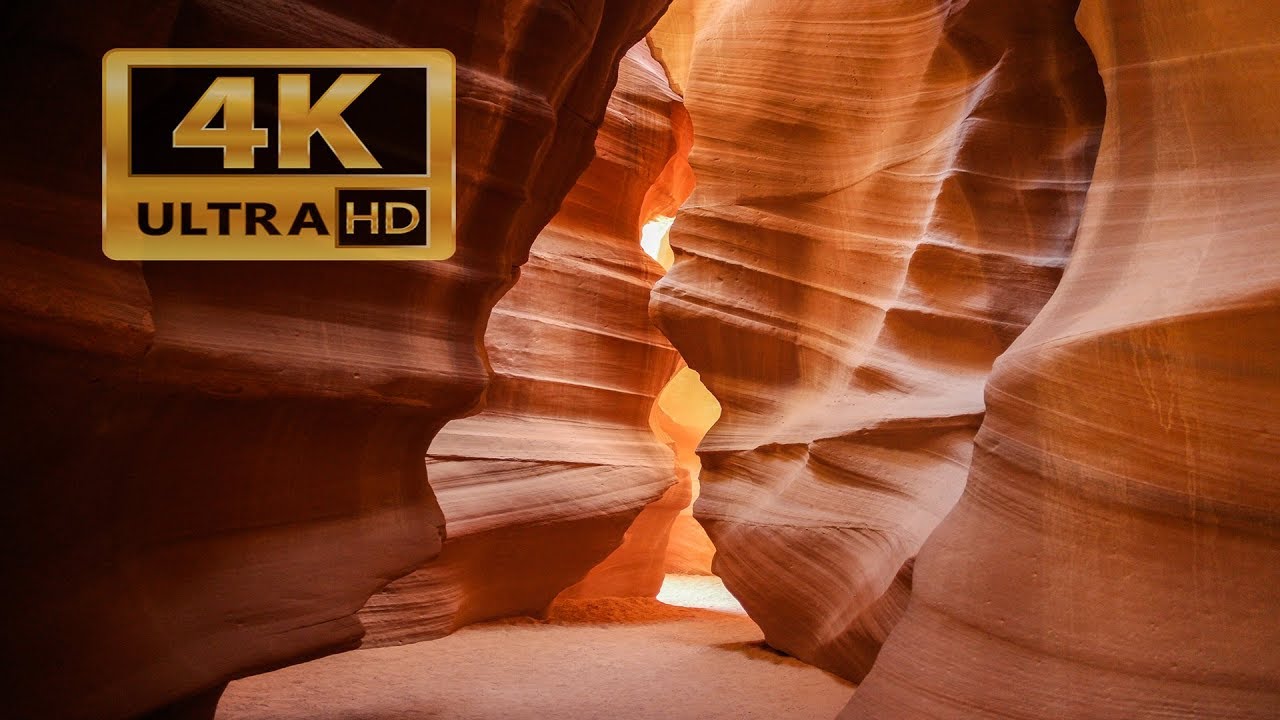
- Light Beam Photography (Upper Antelope): The phenomenon attracting photographers globally occurs when direct overhead sunlight penetrates narrow canyon openings, creating visible "beams" of dusty light illuminating the dark passageways. Peak times: mid-March through early October, 10am-1pm (sun angle high enough). Best months: April-September. Photography tours provide tripod access and sufficient time to experiment with settings—camera must handle high dynamic range (bright beams vs. dark walls). Settings typically: ISO 400-800, f/8-f/11, shutter speeds 1/10-1 second (tripod essential for sharp images). Guides help create dust clouds (throwing sand upward) to enhance beam visibility. The surreal effect—orange walls, purple shadows, golden light shafts—produces images unlike anywhere else on Earth. Non-photography tours also see light beams but move quickly (20-30 minutes in canyon). Outside beam hours/season, the canyon remains stunningly beautiful but lacks the dramatic lighting.
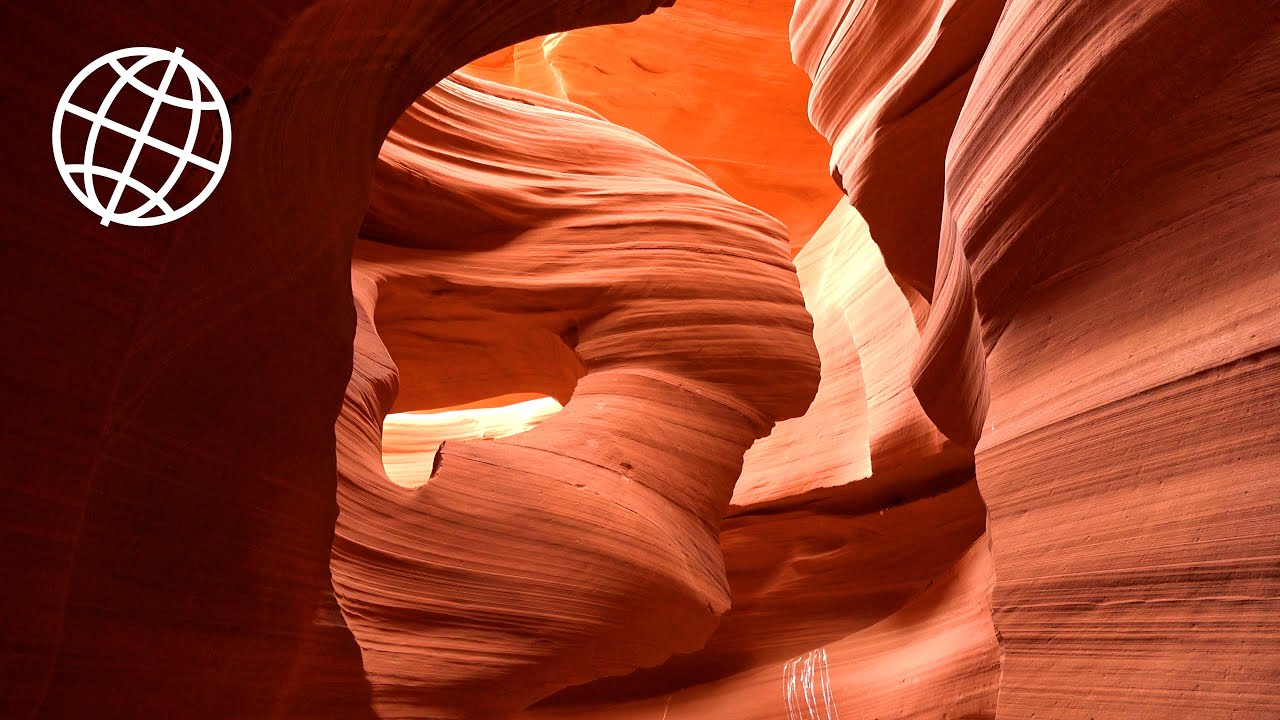
- Lower Antelope Adventure Tour: This version offers more intimate, adventurous experience than commercial Upper Antelope. The entrance requires descending metal staircase into crack in the earth—immediate transition from desert surface to cool canyon depths. The passageway narrows to 2-3 feet width in sections, requiring sideways shuffling. The rock formations—"The Lady in the Wind," "The Owl," "The Eagle"—spark imagination in their anthropomorphic shapes. Guides share Navajo legends and geological formation processes. The five staircase sections (9-meter descents/ascents each) provide adventure feeling absent from flat Upper Antelope. Fewer tourists (Lower Antelope handles 50% of Upper's traffic) allow more relaxed photography and exploration. The challenge level appeals to active travelers seeking something beyond passive sightseeing.
- Navajo Cultural Context Learning: Tour guides (all Navajo, often from families living generations on this land) share creation stories, geological knowledge, and contemporary Navajo life. Many guides are excellent storytellers, adding depth beyond "look at pretty rocks." Learn about Diné (Navajo People) spiritual connections to landscape, traditional sheepherding practices, challenges of reservation life (poverty, limited economic opportunities), and how tourism provides vital income. Respectful questions welcomed—this cultural exchange adds meaningful dimension. Some tours include Navajo fry bread tastings or jewelry sales (beautiful handcrafted turquoise and silver) directly supporting artisans.
- Sunrise/Sunset Canyon Visits (Lower Antelope): While lacking Upper's light beams, Lower Antelope at canyon edges of day provides exceptional color enhancement—sunrise pinks and sunset crimsons amplify the already-vivid sandstone hues. These time slots see minimal crowds (10-20 people vs. midday 100+) allowing peaceful contemplation and unrushed photography. The indirect light illuminates the curves beautifully without harsh contrasts. Tours specifically scheduled for sunrise (7-8am) and sunset (5-6pm) during extended daylight months (April-September) cost same as regular tours but deliver premium experiences.
- Horseshoe Bend Combination at Sunset: Five miles south of Page, Horseshoe Bend (free, accessible via 1.5-mile round-trip walk from parking lot) showcases the Colorado River carving perfect 270-degree bend through Glen Canyon. The viewpoint sits on 1,000-foot cliff edge (no guardrails) overlooking the meander and surrounding desert. Combined with Antelope Canyon morning visit, sunset at Horseshoe Bend (6:30-7:30pm summer) completes perfect desert photography day. The light progression—blue hour following sunset—transforms the scene from orange warmth to purple-blue twilight. Crowds significant—arrive 30 minutes before sunset to secure front-row positioning. The exposure is real—multiple fatalities from falls; stay back from edge.
- Hot Air Balloon Sunrise Flight: The ultimate Bagan experience launches pre-dawn (5-5:30am pickup) for 45-60 minute flights ($320-380 per person October-March season only). As dawn breaks, watch 2,200 temples emerge from darkness across the misty plains—the temple density and scale are only fully comprehensible from the air. Fellow balloons (10-20 simultaneously) drift at varying altitudes creating foreground interest. Monks' orange robes appear as color spots as they walk temple paths; ox-carts traverse dusty roads; sunrise ignites the Irrawaddy River in gold. The silence punctuated only by burner roars enhances the spiritual atmosphere. Land in fields where champagne toasts await. Book 2-3 months advance—limited companies (Balloons Over Bagan, Oriental Ballooning, Golden Eagle) and high demand. Weather cancellations common (refunded)—build schedule flexibility. This ranks among the world's great balloon experiences alongside Cappadocia and Serengeti. Weight restrictions apply (usually 120kg/265lbs maximum); not suitable for pregnant women, young children under 7, or those with serious health conditions (standing for full hour in basket).
- Temple Exploration by E-Bike: Rent e-bike at 6am, create your own temple circuit before heat intensifies. Essential stops: Ananda Temple (11th century, four standing Buddhas, intricate stucco, morning light through eastern entrance creates ethereal glow); Dhammayangyi Temple (mysterious massive structure with blocked inner passages, legendary construction by paranoid king); Sulamani Temple (1183 CE, excellent murals, pink-orange brick glows in afternoon light); Lawkananda Pagoda (riverside position, sunset Irrawaddy views); Thatbyinnyu Temple (tallest at 61m, elegant white-painted brick); and dozens of unnamed smaller temples where you'll find solitude. Download offline maps (Maps.me works well) as GPS is essential—temples look similar and disorientation is easy. Pack water (2+ liters), sunscreen, long pants/covered shoulders for temple entry (respectful dress required), headlamp for dark temple interiors. The adventure combines cultural immersion, physical activity, and flexibility—stop whenever something intrigues you. Avoid midday (11am-3pm) when heat becomes dangerous.
- Sunset from Temple Terraces: While most famous viewpoint temples (Shwesandaw, Pyathadar) closed climbing access post-2016 earthquake for preservation, several temples still permit terrace access: Shwesandaw (limited numbers), Bulethi, and North and South Guni. Arrive 90 minutes before sunset to secure position—popular viewpoints attract 50-100 people. As the sun descends toward the Irrawaddy, temple silhouettes darken against orange-pink skies, and the landscape's three-dimensionality reveals itself through shadows. The 360-degree panorama—temples in every direction to horizons—reminds you this is unparalleled in scale globally. Local vendors sell drinks and snacks; occasional traditional music performances enhance the cultural experience. Bring cushion for sitting (brick terraces uncomfortable), mosquito repellent (post-sunset swarms), and headlamp for descent in darkness. Alternative: hire sunset river cruise ($15-25) viewing temples from Irrawaddy for different perspective.
- Lacquerware Workshop Participation: Bagan is Myanmar's lacquerware center—artisans practice techniques unchanged for 600+ years. Visit family workshops in New Bagan or Myinkaba village where multi-generational craftspeople demonstrate the 6-12 month process: bamboo or teak base constructed, coated with lacquer mixed from tree sap and ash, dried, polished, repeated 7-12 times, engraved with intricate designs, inlaid with colored lacquer or glass, final polishing. The patience and skill required astound—single bowl requires 6+ months, larger pieces over a year. Participate in engraving or lacquering stages (workshops welcome tourists, small fee or expected purchase). Buy directly from artisans—bowls, boxes, and trays ($5-200 depending on complexity) make meaningful souvenirs supporting local economy. The Golden Cuckoo and Family Lacquerware are reputable workshops offering demonstrations and fair-trade purchases.
- Village Life Immersion and Monastery School Visit: Beyond the temples, Bagan's villages offer cultural depth. Arrange through guesthouses to visit local homes—witness toddy palm climbing (men scale 30-meter palms twice daily to harvest sap for palm wine/sugar), observe peanut farming (Bagan's dry zone produces Myanmar's peanut crop), and taste traditional cuisine (mohinga fish noodle soup, lahpet thoke fermented tea leaf salad). Visit monastery schools where young monks (some as young as 5-6) study Buddhist texts, Burmese language, and math—donations of school supplies appreciated. The early morning alms rounds (5:30-6:30am) where villagers provide food to monks demonstrate living Buddhism—observe respectfully from distance. These interactions transform Bagan from temple-spotting to cultural understanding.